Cross chaining in cycling happens when the chain runs at an extreme sideways angle between the front chainring and rear cassette. On bikes with two or three front chainrings, this usually occurs when you combine the largest chainring with one of the largest rear sprockets, or the smallest chainring with one of the smallest rear sprockets. Modern drivetrains are designed to tolerate a range of chain angles, so briefly entering these combinations does not usually mean something will immediately break. The bigger concern is repeatedly riding in extreme combinations when a smoother gear with a straighter chain line is available.
For beginners, understanding cross chaining is useful because it encourages better shifting habits. Choosing gears more effectively can reduce drivetrain noise and unnecessary wear while making cadence changes feel smoother.
In Short
- Cross chaining means using an extreme front and rear gear combination.
- Big chainring with the largest rear sprockets is one common example.
- Small chainring with the smallest rear sprockets is another.
- A sharply angled chain can create additional friction and noise.
- Smooth, early shifting is better than waiting until the pedals become difficult to turn.
How Bicycle Gears Work?
On a typical geared road bike, the chain connects a front chainring to one sprocket on the rear cassette. Changing the selected chainring or rear sprocket changes the gear ratio. A larger front chainring generally creates a harder gear, while a smaller front chainring creates an easier one. At the rear, the relationship is reversed. Larger cassette sprockets provide easier gears, while smaller sprockets provide harder gears.
Learning how do you adjust your bike gears for smoother shifting makes these relationships easier to understand because good shifting involves anticipating changes in resistance instead of reacting only when the current gear becomes uncomfortable.
What Does Cross Chaining Look Like?
If you use the large front chainring and shift toward the largest sprocket at the back, the chain has to travel diagonally inward. If you use the small front chainring with one of the smallest rear sprockets, the chain travels diagonally in the opposite direction.
These are the two classic cross chaining situations:
- Large front chainring with large rear sprocket.
- Small front chainring with small rear sprocket.
The farther the chain moves from a relatively straight line, the more extreme the chain angle becomes.
Why Can Cross Chaining Be a Problem?
A bicycle chain is designed to articulate as it moves through the drivetrain, but an extreme sideways angle can increase friction compared with a more favorable chain line.
Depending on the drivetrain, you may notice:
- More drivetrain noise.
- Chain rubbing.
- Less smooth operation.
- Additional wear over time.
- Reduced drivetrain efficiency.
- Less desirable shifting behavior.
The effect varies between bikes and drivetrain designs. Modern equipment can generally handle wider chain angles better than many older systems, so beginners should not panic whenever the chain is slightly angled. The practical goal is simply to avoid spending unnecessary amounts of time in the most extreme combinations.
Cross Chaining Does Not Usually Cause Instant Damage
One common misconception is that cross chaining immediately damages a bicycle. Briefly entering an extreme combination while approaching a climb or preparing to shift chainrings is unlikely to destroy a properly functioning drivetrain.
If you constantly ride in an extreme combination when a similar ratio is available with a better chain line, you may create unnecessary friction and wear. Drivetrain maintenance also influences how smoothly everything operates, and how to clean and lube your bike chain the right way becomes important because a dirty or poorly lubricated chain can make an already inefficient drivetrain feel even rougher.
Learn to Shift the Front Chainring Earlier
Many beginners stay in one front chainring for too long. They continue shifting across the cassette until they reach its extreme end and only then consider changing chainrings. Instead, anticipate the terrain. If a climb is approaching and you are already moving toward the larger rear sprockets, consider shifting to the smaller front chainring before the gear becomes excessively difficult.
You can then adjust the rear gears to maintain a comfortable cadence. This produces a smoother transition than waiting until you are already struggling on the climb.
Avoid Shifting the Front Chainring Under Heavy Load
Timing matters when changing chainrings.
- If you wait until you are grinding slowly up a steep hill and applying very high force to the pedals, the front shift may feel rough.
- Whenever conditions allow, shift slightly earlier and briefly reduce pressure on the pedals while keeping them turning.
The chain can then move more smoothly between chainrings. Climbing technique involves both gear selection and effort management, so how to climb on a road bike for beginners naturally includes learning to anticipate gradient changes before they force an urgent shift.
Use Cadence to Help Choose Gears
Cyclists should not select gears purely according to which combination looks correct. The gear should allow you to pedal at an appropriate rhythm for the terrain and effort. If cadence falls too low and every pedal stroke becomes difficult, shift to an easier gear. If your legs are spinning excessively without useful resistance, choose a harder gear.
Understanding cycling cadence helps beginners connect gear choice with how quickly the pedals turn rather than constantly watching which cassette sprocket is being used. With experience, appropriate shifting becomes largely automatic.
Several Gear Combinations Can Feel Similar
- A multi gear bicycle often has overlapping gear ratios. This means a gear using the large chainring and a larger rear sprocket may feel similar to another combination using the small chainring and a smaller rear sprocket.
- When two combinations provide similar resistance, the option with the more favorable chain line may be preferable. You do not need to calculate exact gear ratios while riding.
- Simply recognize when you are approaching an extreme end of the cassette and consider whether changing the front chainring would provide a smoother setup.
Cross Chaining on Climbs
Climbing is one of the most common situations where beginners cross chain. A rider approaches a hill in the large chainring and gradually shifts toward larger rear sprockets as the gradient increases. Eventually, the chain may reach an extreme angle. Instead, shift to the smaller chainring before the climb becomes very steep. Then fine tune resistance with the rear cassette. Whether you remain seated or change position depends on the gradient and effort, and when should you climb seated vs standing on a bike can help you coordinate body position with sensible gear selection.
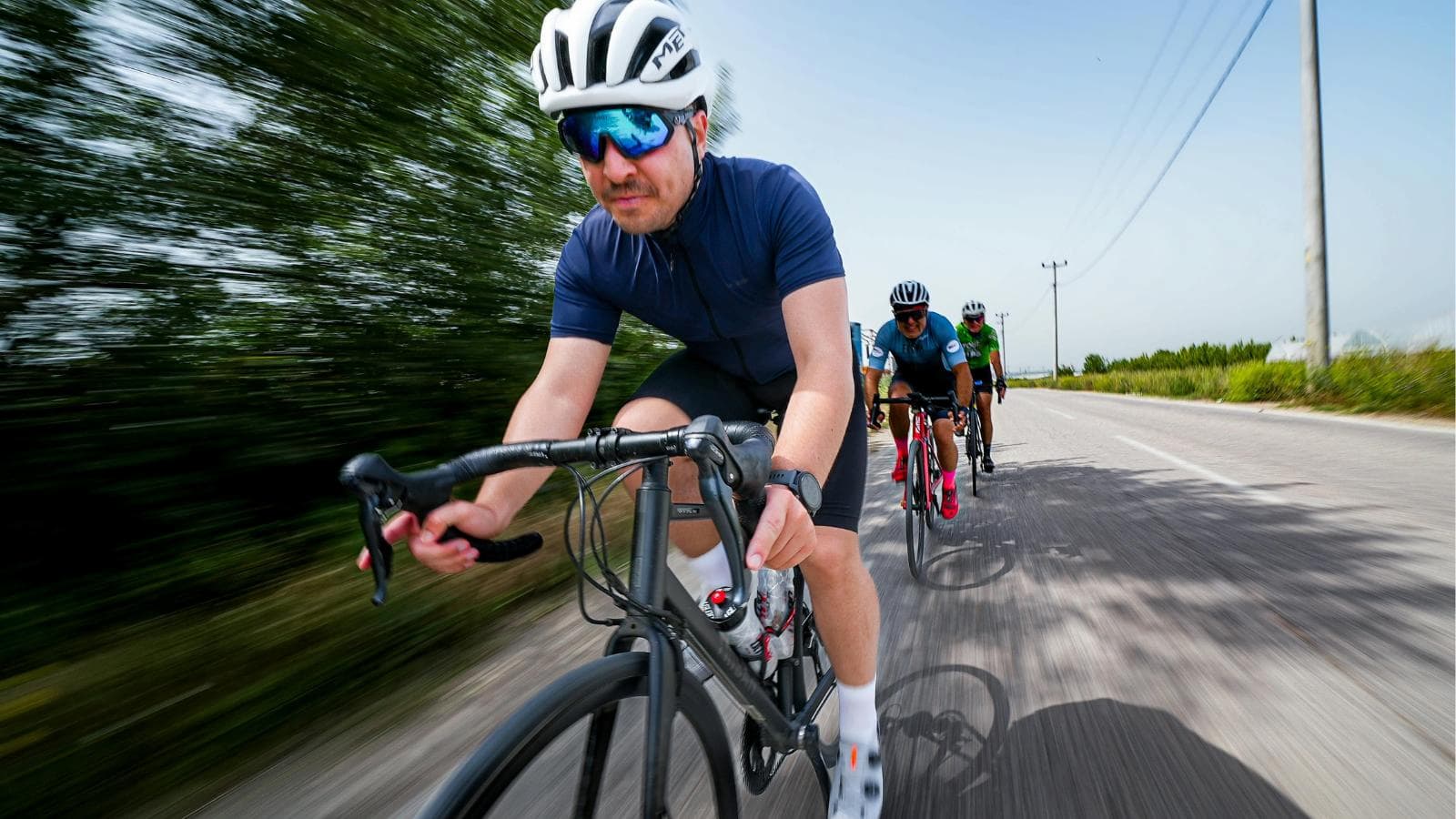
The aim is to enter the climb prepared rather than repeatedly making emergency shifts.
Cross Chaining on Descents and Fast Roads
The opposite problem can happen after a climb. A cyclist remains in the small front chainring while speed increases and gradually shifts toward the smallest rear sprockets. At some point, moving to the larger front chainring can provide a more appropriate chain line and useful gear range.
Do not become distracted by shifting while descending quickly. Bike control always comes first, particularly when speed increases. Developing how to descend faster and safer on a road bike helps riders understand when it is appropriate to pedal, shift, brake, or simply concentrate on the road ahead.
Listen to Your Drivetrain
Your ears can sometimes provide useful feedback. If the drivetrain suddenly becomes noticeably noisier in an extreme gear combination, check your gear selection. Noise does not automatically mean cross chaining. Poor derailleur adjustment, contamination, chain wear, damaged components, or inadequate lubrication can also create sound.
However, learning what your bike normally sounds like makes unusual drivetrain behavior easier to recognize. Beginners who worry about mechanical issues may find what cycling equipment worries are most common among beginners useful for separating normal bicycle behavior from problems that need attention.
Shift Before You Need the Gear
Good shifting is largely about anticipation. If you can see a steep hill ahead, change gears before your cadence collapses. If the road begins descending, gradually move into harder gears as speed increases. Avoid waiting until the drivetrain is under maximum load.
Early shifting can:
- Reduce abrupt changes in cadence.
- Make front shifts smoother.
- Reduce unnecessary drivetrain stress.
- Help maintain momentum.
- Make climbing more controlled.
Experienced cyclists often appear to shift effortlessly because they are reacting to the terrain before it becomes a problem.
Do Not Obsess Over a Perfectly Straight Chain
Avoiding cross chaining does not mean the chain must remain perfectly straight at all times. Modern bicycles are designed to use multiple cassette sprockets with each chainring. Trying to avoid every visible chain angle can make shifting unnecessarily complicated. Instead, focus on avoiding the most extreme combinations when another practical gear is available. Gear choice should still support your effort, cadence, and terrain. Developing how to get faster at cycling requires efficient riding habits overall rather than constantly looking down at the drivetrain.
Check Your Drivetrain Regularly
Good shifting habits cannot compensate for poorly maintained components. Inspect the chain and drivetrain regularly, particularly if you ride frequently in wet or dirty conditions.
Pay attention to:
- Chain cleanliness.
- Lubrication.
- Chain wear.
- Cassette condition.
- Chainring condition.
- Derailleur adjustment.
- Unusual noises.
A basic inspection fits naturally with what you should check on your bike before every ride, especially before long rides or events where a drivetrain problem is much harder to deal with. If shifting remains poor despite sensible gear selection, the bicycle may need adjustment or servicing.
Common Mistakes
- Staying in one chainring across the entire gear range.
- Waiting too long before shifting for a climb.
- Shifting the front chainring under very heavy pedal pressure.
- Looking down at the gears instead of watching the road.
- Assuming every angled chain is harmful.
- Avoiding useful gears on a 1x drivetrain.
- Ignoring unusual drivetrain noise.
- Blaming cross chaining for every shifting problem.
- Neglecting chain cleaning and lubrication.
Practical Tips
- Anticipate climbs and descents.
- Shift before cadence becomes uncomfortable.
- Avoid extreme gear combinations when practical.
- Reduce pedal pressure slightly during front shifts.
- Use the rear cassette for smaller adjustments.
- Change chainrings for larger changes in gear range.
- Listen for unusual drivetrain noise.
- Keep the chain clean and lubricated.
- Practice shifting until gear selection becomes instinctive.
Actionable Takeaways
Cross chaining occurs when the chain runs at an extreme sideways angle between the front chainring and rear cassette. On bikes with multiple front chainrings, the classic examples are using the large chainring with the largest rear sprockets or the small chainring with the smallest rear sprockets. Modern drivetrains can tolerate some chain angle, so briefly cross chaining is not usually a reason to panic. The goal is to avoid spending unnecessary time in extreme combinations when another suitable gear provides a better chain line.
Beginners should focus on anticipating terrain, changing chainrings before reaching the extreme end of the cassette, and maintaining a comfortable cadence. Combined with regular drivetrain maintenance, these habits make shifting smoother and gear selection increasingly automatic.
FAQs
Regular extreme cross chaining can increase friction, noise, and drivetrain wear, but briefly using these combinations does not usually cause immediate damage.
The classic combinations are the large front chainring with the largest rear sprockets and the small front chainring with the smallest rear sprockets.
Cross chaining alone does not normally cause an immediate chain failure, but poor chain line and drivetrain wear can contribute to unnecessary stress over time.
Check whether you are using an extreme front and rear gear combination. You may also notice increased drivetrain noise or rubbing.
Beginners should avoid routinely using extreme combinations when a smoother alternative gear is available.
Modern drivetrains generally tolerate wider chain angles well, but avoiding unnecessary extreme combinations can still support smoother operation.
A 1x drivetrain naturally uses the full cassette, so traditional cross chaining advice for multiple chainrings does not apply in the same way.