Indoor cycling workouts may only last an hour, but they can place significant demands on your body. Without cooling wind and natural airflow, cyclists often sweat much more indoors than they do outside, increasing the risk of dehydration and reduced performance.
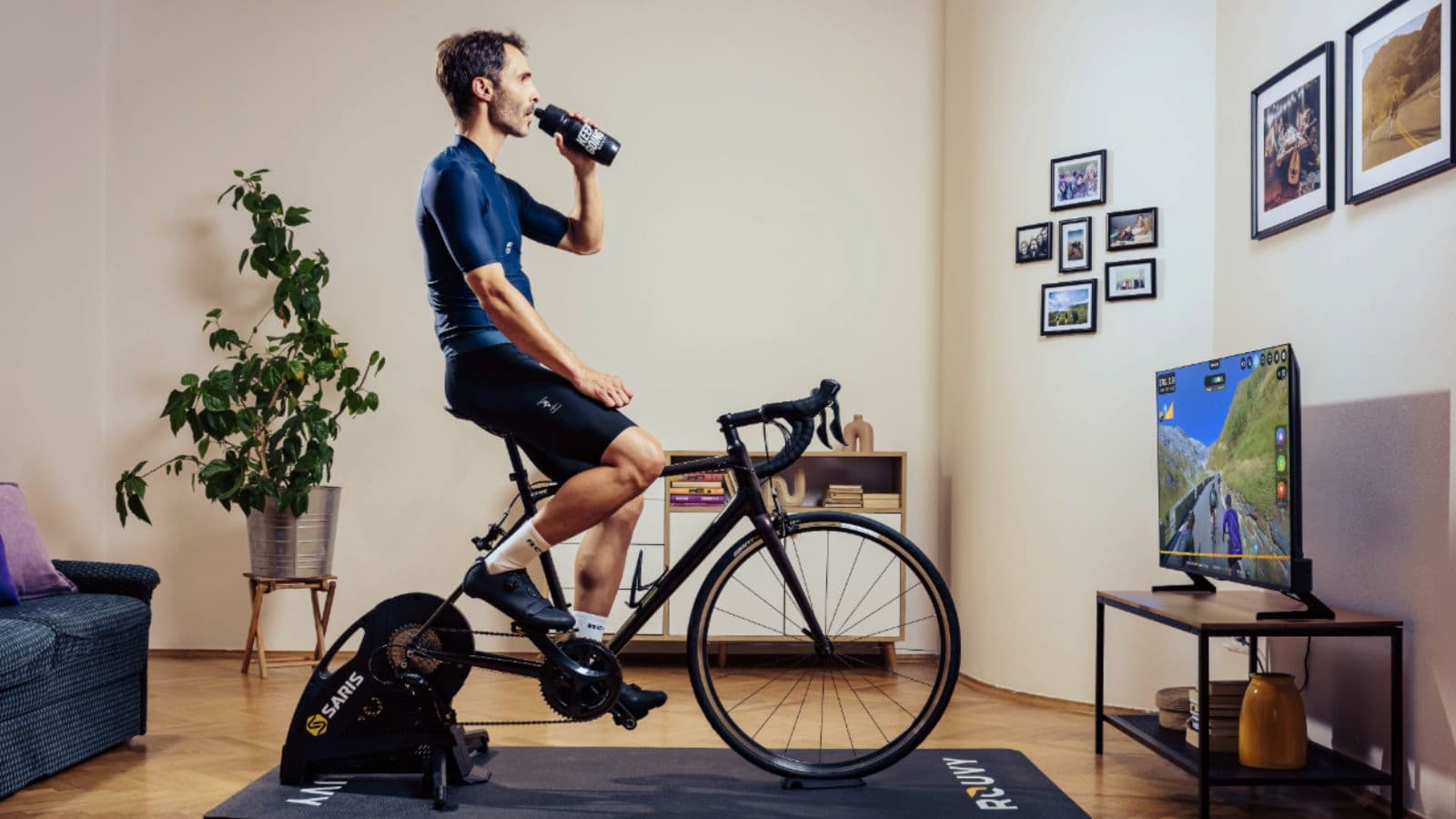
Whether you’re completing an easy endurance ride or a high-intensity interval session, the right fuelling and hydration strategy helps maintain power, delay fatigue and improve recovery. The goal is to replace energy and fluids before performance begins to decline rather than waiting until you’re already tired or thirsty.
Why Indoor Cycling Increases Fluid Loss?
Unlike outdoor riding, indoor training generates very little natural cooling. Your body responds by producing more sweat to regulate temperature.
Greater sweat loss can lead to:
- Dehydration.
- Reduced power output.
- Increased heart rate.
- Earlier fatigue.
- Poor concentration.
- Slower recovery.
Many cyclists notice the difference after beginning how do cyclists stay fit indoor motivation, where proper hydration quickly becomes one of the biggest performance factors.
Hydrate Before You Start
Good hydration begins before you clip into the pedals.
Aim to:
- Drink water regularly throughout the day.
- Avoid starting dehydrated.
- Consume fluids 1–2 hours before training.
- Monitor urine colour as a simple hydration guide.
Starting well hydrated reduces the likelihood of performance dropping during longer or more demanding sessions.
Match Nutrition to Workout Intensity
Not every indoor workout requires the same amount of fuel.
For example:
Easy endurance rides
- Water may be sufficient.
- Little or no carbohydrate may be required for shorter sessions.
Threshold or interval workouts
- Carbohydrates become more important.
- Hydration requirements increase.
- Recovery nutrition becomes a higher priority.
Planning your nutrition around the session allows you to perform at your best.
Eat Before Hard Indoor Sessions
High-intensity workouts rely heavily on stored carbohydrates.
A pre-ride meal should include:
- Easily digested carbohydrates.
- Moderate protein.
- Low fat.
- Low fibre.
Examples include:
- Oats with banana.
- Toast with honey.
- Rice with fruit.
- Yoghurt and granola.
Many cyclists improve session quality by following what you should eat after a one-hour cycling workout, ensuring both pre-ride preparation and post-workout recovery are equally well planned.
Drink Throughout the Ride
Don’t wait until you’re thirsty. Take regular sips every 10–15 minutes.
During longer sessions:
- Keep bottles within easy reach.
- Drink consistently.
- Replace fluids gradually.
- Avoid consuming large amounts at once.
Regular drinking is usually more effective than trying to catch up later.
Replace Electrolytes When Necessary
Sweat contains more than water. It also contains important electrolytes such as sodium.
Electrolyte drinks become increasingly useful during:
- Hot environments.
- Long workouts.
- High sweat rates.
- Back-to-back training days.
Cyclists who sweat heavily often find how much should you drink per hour when cycling in hot weather provides useful guidance that can also be applied to challenging indoor sessions.
Carbohydrates During Longer Workouts
Workouts lasting longer than about 60–90 minutes often benefit from additional carbohydrates.
Good options include:
- Sports drinks.
- Energy gels.
- Chews.
- Bananas.
- Energy bars.
The goal is maintaining energy before fatigue develops rather than trying to recover once you’re already struggling.
Use Fans to Reduce Sweat Loss
One of the simplest ways to improve indoor hydration is increasing airflow.
A powerful fan helps:
- Lower body temperature.
- Reduce excessive sweating.
- Improve comfort.
- Maintain power output.
- Delay fatigue.
Better cooling often means less fluid is lost during the workout.
Recovery Starts Immediately
After finishing your ride:
- Rehydrate gradually.
- Eat carbohydrates.
- Include protein.
- Replace lost electrolytes if needed.
Good recovery prepares you for your next training session. Many riders support this process through what you should eat after a hard cycling workout, helping restore both energy stores and muscle function.
Don’t Forget Everyday Nutrition
Performance isn’t determined by one meal alone.
Maintain a balanced diet containing:
- Whole grains.
- Fruit.
- Vegetables.
- Lean protein.
- Healthy fats.
- Dairy or alternative calcium sources.
Consistent daily nutrition supports both training quality and recovery.
Avoid Common Fuelling Mistakes
Many cyclists unknowingly reduce workout quality through simple errors.
Common mistakes include:
- Starting dehydrated.
- Skipping breakfast before intervals.
- Drinking only after becoming thirsty.
- Ignoring electrolytes.
- Under-fuelling longer sessions.
- Drinking excessive amounts at once.
- Forgetting post-workout recovery.
Small adjustments often produce noticeable improvements.
Indoor Sessions Can Feel Harder
Because there is little opportunity to coast indoors, carbohydrate use may actually be higher than expected.
Structured sessions often involve:
- Continuous pedalling.
- Sustained intervals.
- Limited recovery.
- Higher sweat rates.
Cyclists planning these workouts often benefit from how to train smarter and ride stronger, allowing nutrition and training intensity to work together.
Adapt Your Strategy to Your Goals
Your fuelling plan should reflect your objective.
For example:
Recovery ride
- Water.
- Normal meals.
- No additional carbohydrates required.
Threshold session
- Carbohydrates beforehand.
- Fluids throughout.
- Recovery meal afterwards.
Long indoor endurance ride
- Regular carbohydrates.
- Electrolytes.
- Multiple bottles.
Matching your strategy to your session prevents both over-fuelling and under-fuelling.
Practise Race Nutrition Indoors
Indoor training offers a controlled environment for testing nutrition.
Use longer sessions to practise:
- Drinking regularly.
- Trying new sports drinks.
- Testing energy gels.
- Timing carbohydrate intake.
- Managing stomach comfort.
Cyclists preparing for endurance events often combine this with how to fuel for a 2-hour cycling ride, making race-day nutrition far more predictable.
Common Signs You’re Under-Fuelling
Watch for:
- Sudden fatigue.
- Difficulty holding power.
- Poor concentration.
- Muscle cramps.
- Light-headedness.
- Slower recovery.
Addressing these early usually leads to much better training quality.
Practical Tips
Keep these habits in mind:
- Begin every session well hydrated.
- Match nutrition to workout intensity.
- Drink small amounts regularly.
- Use a powerful fan.
- Recover immediately afterwards.
- Monitor how your body responds.
- Adjust your strategy based on experience.
Cyclists also improve long-term performance by understanding why is consistency more important than intensity for cycling success, recognising that proper fuelling supports sustainable training throughout the year. Finally, before every indoor session, spend a minute checking your equipment by following what you should check on your bike before every ride, ensuring mechanical issues don’t interrupt an otherwise productive workout.
The Bottom Line
Fuel and hydration play a major role in indoor cycling performance. Higher sweat rates, continuous pedalling and structured intervals increase your body’s demand for fluids and energy, even during relatively short workouts. By starting hydrated, fuelling according to workout intensity and recovering properly afterwards, you’ll maintain higher power, recover faster and get far more from every indoor training session.
FAQs
Not always. Water is often sufficient for shorter, easier sessions, while longer or higher-intensity workouts may benefit from electrolyte or carbohydrate drinks.
Indoor training lacks natural airflow, making your body rely more heavily on sweating to regulate temperature.
If the session is high intensity, eating beforehand is usually beneficial. Easy rides may require less preparation.
Taking small sips every 10–15 minutes generally helps maintain hydration more effectively than drinking large amounts infrequently.
They become increasingly important during long workouts, hot environments or for cyclists who sweat heavily.
Yes. Even mild dehydration can negatively affect endurance, power output and concentration.
A combination of carbohydrates and protein helps replenish energy stores and support muscle recovery.
Yes. Indoor training provides an excellent opportunity to test nutrition strategies in a controlled environment.
Consistently under-fuelling can reduce training quality, slow recovery and limit long-term performance improvements.