Mountain biking is about much more than pedalling harder. The ability to control your bike over rocks, roots, loose gravel and steep terrain comes from developing good technique before attempting difficult trails. For beginners, learning a handful of fundamental skills builds confidence while reducing the risk of crashes and unnecessary fatigue. Mastering these basics will also make every ride more enjoyable and prepare you for more technical terrain as your experience grows.
Start With the Right Riding Position
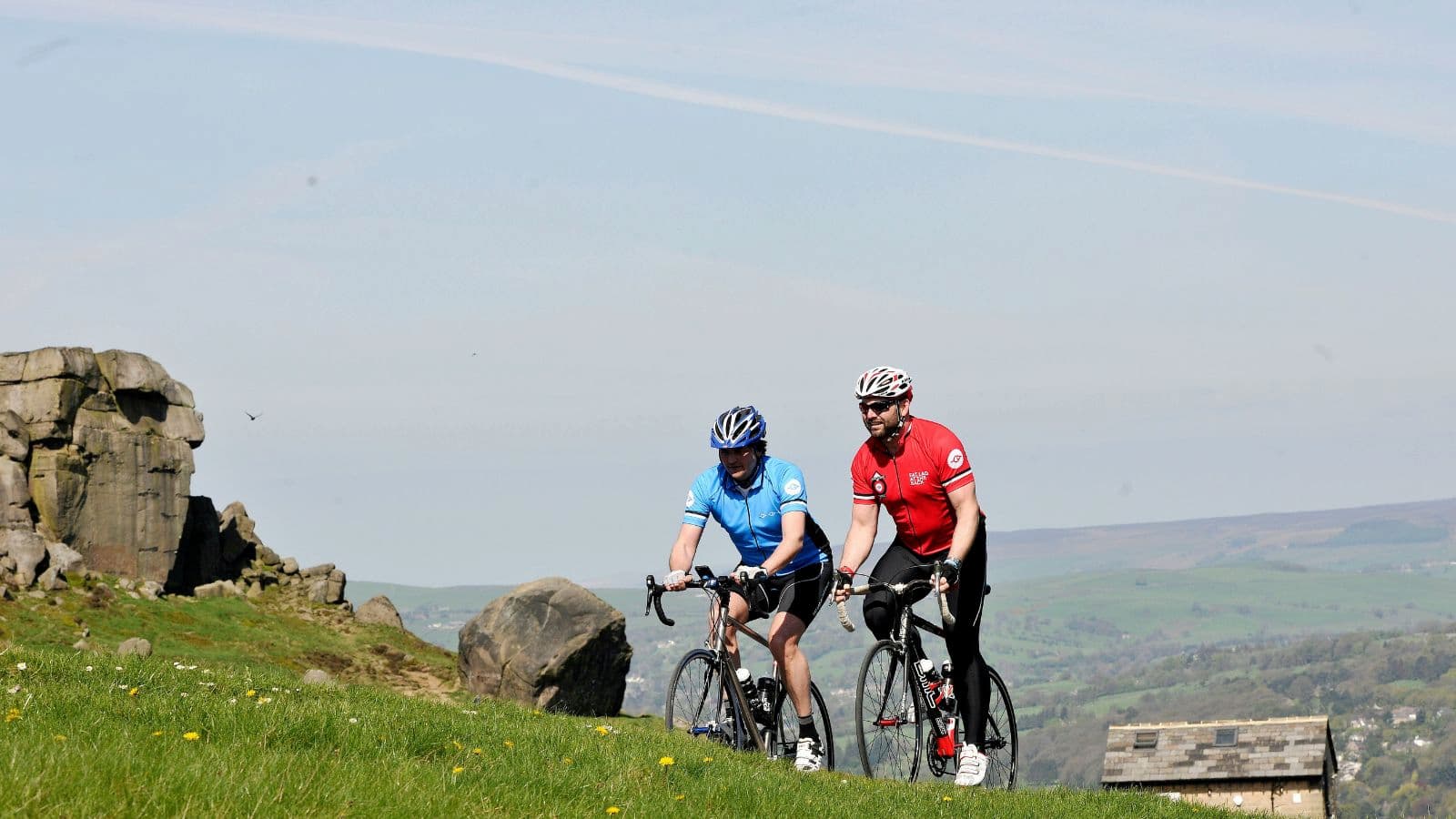
Your riding position is the foundation of every mountain biking skill. A balanced position keeps your bike stable while allowing it to move naturally beneath you.
Focus on:
- Looking ahead rather than down.
- Keeping elbows slightly bent.
- Relaxing your shoulders.
- Keeping your knees flexible.
- Standing lightly on the pedals.
Maintaining good body position allows you to react quickly when the trail changes unexpectedly.
Learn to Brake Smoothly
Many beginners either brake too late or pull both brakes too aggressively. Good braking involves controlling your speed before obstacles rather than during them.
Practise:
- Applying both brakes progressively.
- Using more front brake than many beginners expect.
- Releasing the brakes before corners.
- Looking through turns instead of at the ground.
Smooth braking improves both confidence and control.
Look Where You Want to Go
Your bike naturally follows your vision. Instead of staring at rocks or roots, focus on the trail ahead and the line you want to ride.
Good vision helps you:
- Anticipate obstacles.
- Choose smoother lines.
- Prepare for corners.
- Maintain momentum.
- React earlier to changing terrain.
This simple habit often improves confidence immediately.
Corner With Confidence
Cornering is one of the first technical skills every mountain biker should develop.
As you enter a turn:
- Reduce speed beforehand.
- Look through the corner.
- Lean the bike beneath you.
- Keep your outside pedal down.
- Stay relaxed.
Many riders also improve their handling by practising how to improve cornering skills on a road bike for beginners, as the fundamentals of vision and body positioning apply across both disciplines.
Master Climbing Technique
Steep climbs require more than strong legs. Successful climbing depends on traction, balance and smooth power delivery.
Remember to:
- Stay seated on loose climbs when possible.
- Lean slightly forward.
- Maintain steady cadence.
- Avoid sudden bursts of power.
- Keep your front wheel grounded.
Patience often beats brute force on technical ascents.
Descend Under Control
Descending can feel intimidating at first. Confidence develops through technique rather than speed.
During descents:
- Shift your hips slightly back.
- Keep your heels lowered.
- Relax your grip.
- Bend your elbows and knees.
- Allow the bike to move beneath you.
Developing these habits alongside how to descend faster and safer on a road bike helps improve overall bike control and confidence.
Ride Over Obstacles Smoothly
Trails rarely stay perfectly smooth.
You’ll regularly encounter:
- Roots.
- Rocks.
- Small ledges.
- Loose gravel.
- Mud.
Rather than stopping at every obstacle, practise lifting your front wheel slightly and maintaining momentum. Smooth movements are usually more effective than aggressive ones.
Learn to Shift Gears Efficiently
Changing gears at the right time makes climbing and accelerating much easier.
Good habits include:
- Shifting before steep climbs.
- Avoiding gear changes under maximum load.
- Maintaining a comfortable cadence.
- Anticipating terrain changes.
Efficient gear use reduces fatigue over long rides. Understanding cycling cadence explained also helps beginners maintain smoother pedalling across varying terrain.
Develop Better Balance
Balance is one of the most valuable mountain biking skills.
Simple practice drills include:
- Track stands.
- Slow-speed riding.
- Tight figure-eight turns.
- Riding narrow paths.
- One-handed riding in safe environments.
Improved balance makes technical trails feel far less intimidating.
Build Braking Confidence on Loose Surfaces
Loose gravel and dirt behave differently from pavement.
Practise braking gradually on:
- Gravel roads.
- Dry dirt.
- Loose corners.
- Gentle descents.
Learning how much grip your tyres provide increases confidence during more challenging rides.
Choose Better Trail Lines
The fastest route isn’t always the straightest.
Good line choice involves:
- Avoiding loose rocks.
- Looking ahead.
- Keeping momentum.
- Choosing smoother surfaces.
- Preparing early for corners.
Experienced mountain bikers often appear effortless because they constantly plan several metres ahead.
Improve Your Fitness Alongside Your Skills
Technical ability matters, but fitness helps you maintain good technique throughout longer rides.
Focus on:
- Endurance rides.
- Interval sessions.
- Strength training.
- Recovery.
- Mobility work.
Many riders improve both skill and endurance by following how to build endurance for long cycling races, even if their primary focus is off-road riding.
Practise Basic Bike Maintenance
A well-maintained bike performs more predictably on technical trails.
Before every ride check:
- Tyre pressure.
- Brakes.
- Chain lubrication.
- Gear shifting.
- Wheel security.
Developing the habit of following what you should check on your bike before every ride helps prevent avoidable mechanical problems on the trail.
Wear Appropriate Safety Equipment
Mountain biking involves unpredictable terrain.
Essential equipment includes:
- Certified helmet.
- Gloves.
- Eye protection.
- Flat or clipless shoes.
- Knee pads for technical trails.
- Hydration pack on longer rides.
The right equipment allows you to ride with greater confidence while reducing injury risk.
Common Beginner Mistakes
Avoid these common habits:
- Looking directly at obstacles.
- Sitting during technical descents.
- Braking while cornering.
- Riding trails beyond your ability.
- Using incorrect tyre pressure.
- Ignoring bike maintenance.
- Riding with stiff arms.
- Forgetting to carry water and tools.
Learning gradually produces faster long-term progress.
Practical Tips for Faster Improvement
Keep these habits in mind:
- Ride regularly.
- Practise one skill at a time.
- Repeat easy trails before progressing.
- Watch experienced riders.
- Stay relaxed.
- Accept small mistakes.
- Build confidence gradually.
Many cyclists also accelerate their progress through what cycling drills help improve bike technique, which introduces structured exercises for developing better control.
The Bottom Line
Mountain biking is a skill-based sport where confidence grows through consistent practice. By focusing on body position, braking, cornering, balance and trail awareness, beginners can quickly become safer and more capable riders. Take your time developing each skill, ride within your limits and gradually increase the difficulty of the trails you tackle. Strong fundamentals will make every future ride faster, smoother and considerably more enjoyable.
FAQs
A balanced riding position is the most important starting point because it supports every other technical skill.
It can feel challenging initially, but learning basic techniques gradually makes progression much easier.
Both are important. Standing improves control over rough terrain, while sitting often provides better traction during climbs.
Practice on gentle slopes, focus on body position and look ahead rather than directly at obstacles.
Yes. Flat pedals allow beginners to develop confidence and learn proper technique before using clipless pedals.
Two to three rides each week provide enough repetition for steady improvement while allowing adequate recovery.
Yes. Better fitness helps maintain good technique and concentration during longer rides.
Tyre pressure varies depending on rider weight, tyre width and terrain, but lower pressures generally provide more grip off-road.