



Cyclists can stay safer on public roads by following traffic laws, maintaining awareness of surrounding vehicles, choosing appropriate road positions, and making their movements predictable. Good visibility, reliable equipment, and confident bike handling also play important roles in reducing risks. Sharing roads with cars, buses, motorcycles, and other vehicles presents challenges that are less common on dedicated cycling routes. Traffic speed, road conditions, junctions, and unpredictable driver behavior can all affect safety. For beginners, riding near traffic may initially feel uncomfortable. However, developing practical road skills and gradually gaining experience can make everyday cycling more manageable and improve confidence. The goal is not to eliminate every possible risk, which is impossible, but to make informed decisions that reduce avoidable hazards. Consistent safety habits can help cyclists enjoy road riding while protecting themselves and other road users.
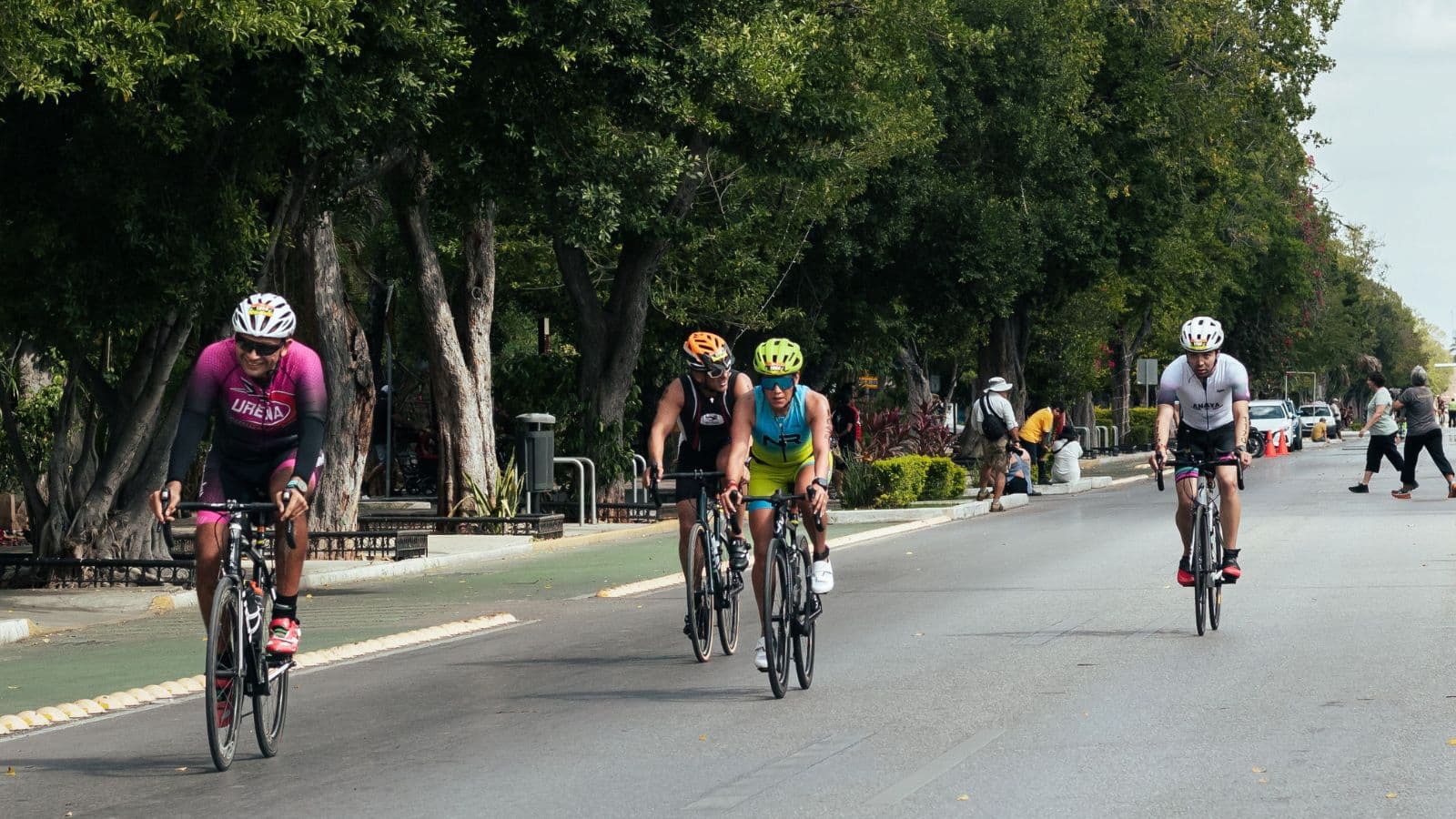
In Short
- Follow local traffic laws.
- Maintain awareness of surrounding vehicles.
- Use a predictable road position.
- Signal intentions clearly.
- Wear a properly fitted helmet.
- Improve visibility with suitable lights.
- Check your bike before riding.
- Avoid unnecessary risks at junctions.
- Choose safer routes when possible.
Understand Basic Road Cycling Safety
Road cycling safety begins with understanding how cyclists should interact with traffic. In most places, cyclists must follow applicable traffic signals, signs, and road rules, although specific regulations vary by location.
Important habits include:
- Obeying traffic lights.
- Following road signs.
- Yielding when required.
- Riding in the legally designated direction.
- Using cycle lanes where appropriate.
- Avoiding unpredictable movements.
Understanding how to ride safely in a cycling group can help riders develop awareness when sharing road space with other cyclists. Always check local regulations because cycling laws differ between countries and regions.
Choose a Safe Road Position
Road positioning affects visibility, maneuvering space, and interactions with vehicles. Riding too close to the edge may expose cyclists to drainage covers, debris, broken pavement, and roadside obstacles.
Useful positioning habits include:
- Maintain sufficient distance from the road edge.
- Avoid riding in the door zone of parked cars.
- Leave room to avoid obstacles.
- Use a more central lane position when legally appropriate and necessary for safety.
- Avoid sudden movements toward traffic.
The safest position depends on road width, traffic conditions, and local rules.
Stay Visible to Other Road Users
Visibility helps drivers and other road users recognize cyclists earlier. However, being visible does not guarantee that another person has noticed you.
Useful equipment includes:
- Front and rear bicycle lights.
- Reflective details.
- Clothing that contrasts with surroundings.
- Clean reflectors.
- Lights suitable for daytime conditions.
Use legally required lighting during darkness and poor visibility. Bright clothing can improve conspicuity, but it should not replace careful road positioning and awareness.
Navigate Junctions Carefully
Junctions are particularly important because vehicles may turn across a cyclist’s path.
Common hazards include:
- Drivers turning without noticing cyclists.
- Vehicles emerging from side roads.
- Poor visibility.
- Confusing lane arrangements.
- Unexpected pedestrian movement.
Safer habits include:
- Reduce speed when approaching junctions.
- Check surrounding traffic.
- Position yourself predictably.
- Signal when safe.
- Avoid assuming drivers will yield.
- Stop when necessary.
Do not enter a junction simply because you believe another road user has seen you.
Improve Bike Handling in Traffic
Confident bike handling allows cyclists to respond more smoothly to changing road conditions.
Important skills include:
- Controlled braking.
- Looking over the shoulder.
- Riding in a straight line.
- Signaling without losing balance.
- Avoiding obstacles.
- Maintaining control at low speeds.
Understanding what cycling drills help improve bike technique can help cyclists practice these movements. Develop skills in a quiet, traffic free environment before using them on busy roads.
Manage Overtaking Vehicles
Passing vehicles can create uncomfortable situations, particularly on narrow roads. Cyclists should maintain a predictable line and avoid sudden movements toward the road edge.
Useful precautions include:
- Monitor approaching traffic when possible.
- Avoid weaving between parked vehicles.
- Maintain adequate space from obstacles.
- Use legal lane positioning.
- Allow faster traffic to pass when safe.
Never sacrifice your own maneuvering space simply to encourage a vehicle to overtake.
Ride Safely in Rain and Poor Weather
Wet roads reduce traction and may increase stopping distances. Rain can also reduce visibility for both cyclists and drivers.
Important precautions include:
- Reduce speed.
- Brake earlier and progressively.
- Avoid sudden steering.
- Watch for slippery road markings.
- Maintain extra space from vehicles.
- Use appropriate lighting.
Understanding how to cycle safely in the rain can help riders prepare for wet conditions. Avoid riding through deep water when road hazards beneath the surface are unknown.
Handle Wind and Changing Road Conditions
Strong winds can affect steering and stability, especially when passing exposed areas or large vehicles. Crosswinds may cause sudden sideways movement.
Useful strategies include:
- Keep a relaxed but secure grip.
- Reduce speed when necessary.
- Anticipate exposed sections.
- Avoid sudden steering corrections.
- Maintain sufficient space from traffic.
Understanding how to ride in headwinds and crosswinds on a bike can help cyclists manage challenging weather conditions. Consider postponing rides when conditions become unsafe.
Check Your Bike Before Riding
Mechanical reliability is an important part of road safety. A short inspection can help identify problems before they cause difficulties.
Check:
- Tire condition and pressure.
- Brake operation.
- Wheel security.
- Chain condition.
- Steering.
- Lights.
- Pedals.
Understanding what you should check on your bike before every ride can help cyclists develop a consistent inspection routine. If the bike has a serious mechanical problem, repair it before riding.
Choose Safer Cycling Routes
Route selection can reduce exposure to unnecessary hazards.
When possible, prioritize:
- Dedicated cycling infrastructure.
- Roads with lower traffic speeds.
- Routes with fewer complicated junctions.
- Good road surfaces.
- Adequate visibility.
- Familiar roads during early training.
Longer routes are sometimes preferable when they provide safer riding conditions. Plan unfamiliar journeys before leaving rather than making complicated navigation decisions in heavy traffic.
Ride Safely Around Other Cyclists
Group riding requires communication and predictable movements. Riders should avoid sudden braking, unnecessary swerving, and overlapping wheels.
Useful habits include:
- Maintain appropriate spacing.
- Communicate hazards.
- Follow local traffic laws.
- Avoid riding beyond your handling ability.
- Keep attention on surrounding traffic.
Beginners should start with smaller groups and experienced, safety conscious riders.
Maintain Safe Speed and Control
Riding too quickly for road conditions reduces the time available to respond to hazards.
Speed should reflect:
- Traffic density.
- Visibility.
- Road surface.
- Weather.
- Available stopping distance.
- Personal handling ability.
Understanding how to descend faster and safer on a road bike can help cyclists recognize why control matters more than maximum speed. Slow down before blind corners, busy junctions, and unpredictable road sections.
Common Mistakes
- Riding too close to parked cars.
- Ignoring traffic signals.
- Making sudden lane changes.
- Assuming drivers have seen you.
- Riding without suitable lights.
- Using a phone while cycling.
- Ignoring mechanical problems.
- Riding too fast for conditions.
Practical Tips
- Follow local traffic rules.
- Wear a properly fitted helmet.
- Use appropriate lights.
- Practice shoulder checks.
- Maintain predictable positioning.
- Avoid unnecessary distractions.
- Choose suitable routes.
- Inspect your bike regularly.
Understanding common gear mistakes that every cyclist should avoid can help riders prevent equipment problems before leaving home.
Actionable Takeaways
- Stay alert and predictable.
- Maintain safe road positioning.
- Improve visibility.
- Practice essential handling skills.
- Choose routes and speeds carefully.
FAQs
Following traffic laws while maintaining awareness and predictable riding behavior is essential for safer cycling.
No. Cyclists need sufficient space from hazards, parked vehicles, and road edges. Appropriate positioning depends on conditions and local regulations.
A properly fitted helmet is strongly recommended because it can reduce the risk of certain head injuries. Legal requirements vary by location.
Use suitable front and rear lights, reflective details, and clothing that contrasts with the surroundings.
Busy roads present additional challenges. Beginners should develop handling skills on quieter routes before progressing to more demanding traffic conditions.
Bike lanes can provide useful infrastructure, but requirements and safety conditions vary. Follow local laws and assess hazards.
Maintain sufficient distance from parked vehicles to avoid the area where doors may open unexpectedly.
Reduce speed, assess traffic carefully, follow road rules, and stop or use a safer crossing option when necessary.