A regular bike commute can do more than replace a car or public transport journey. With a little structure, it can become part of your cycling training. You do not need to turn every ride to work into a hard session. Some commutes can remain easy recovery rides. Others can target aerobic endurance, short intervals, cadence, climbing, or bike handling. Even adding 10 to 20 minutes to your route can create more useful training time without requiring a separate workout later in the day. The best approach depends on your route, traffic, available time, and training goals.
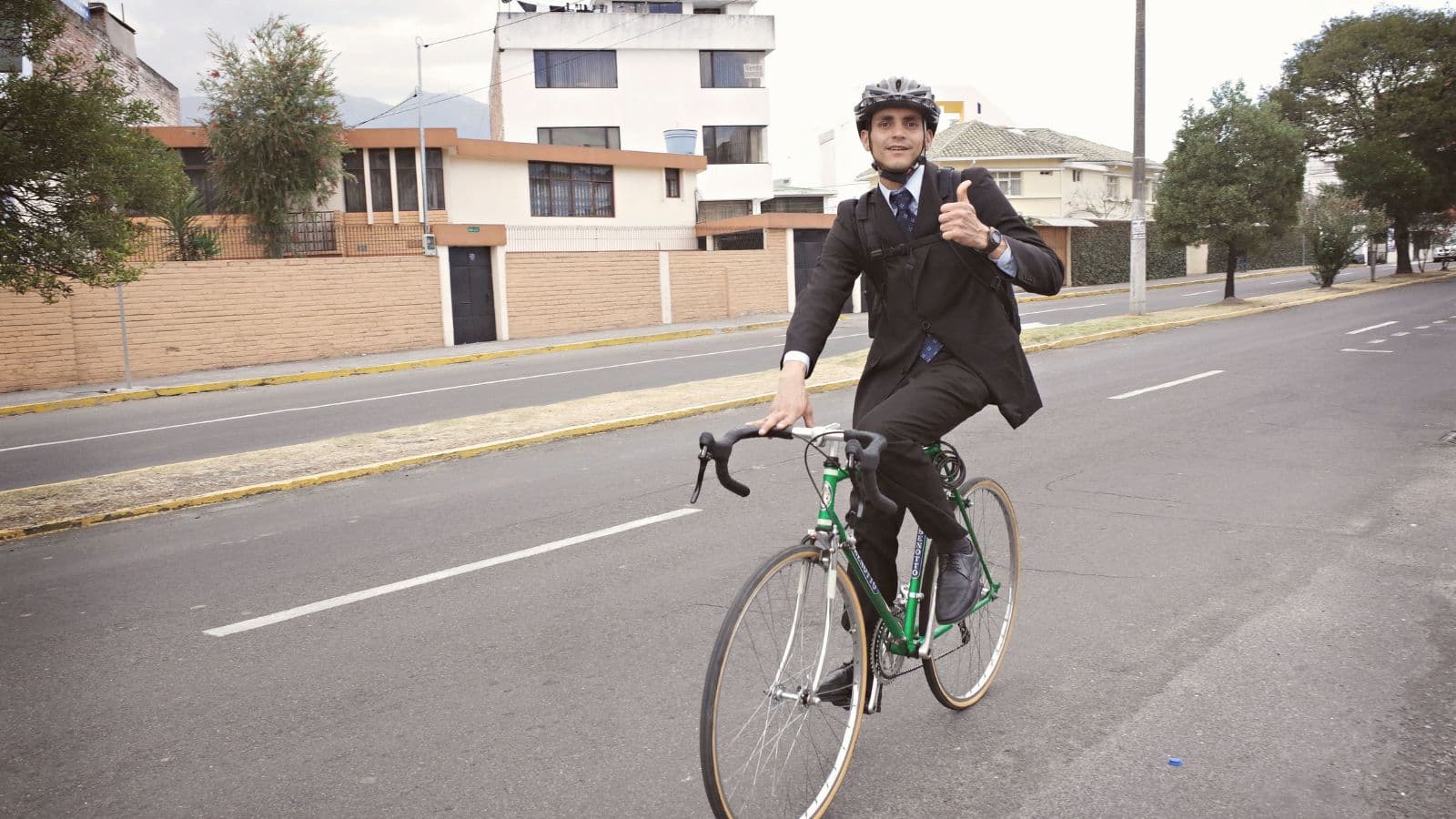
Safety always comes first. Hard efforts should only be performed on suitable sections where you can ride without junctions, pedestrians, heavy traffic, or other hazards.
In Short
- Decide the purpose of the commute before starting.
- Keep many commuting rides easy.
- Use longer steady routes for aerobic training.
- Add intervals only on safe uninterrupted sections.
- Hills can provide natural harder efforts.
- Practice cadence during controlled sections.
- Extend the route when you need more endurance time.
- Use the return commute differently from the morning ride.
Give Each Commute a Purpose
The simplest way to make commuting useful training is to decide what the ride is for.
A commute could be:
- Easy recovery.
- Aerobic endurance.
- Short intervals.
- Tempo riding.
- Hill work.
- Cadence practice.
- Technique work.
- Additional low intensity volume.
Do not try to include everything in one journey. If you have 30 minutes available, one clear training objective is usually enough. This is particularly useful for riders following how should you adjust cycling training when time is limited, because commuting allows travel time to contribute toward weekly training rather than requiring another separate session.
Use Easy Commutes to Build Aerobic Volume
Not every workout needs to hurt. A steady commute can add useful low intensity riding to your week, especially when performed regularly.
Keep the effort controlled enough that:
- Breathing remains comfortable.
- You can speak in sentences.
- Pedaling feels sustainable.
- You are not chasing every rider ahead.
- Small hills do not become attacks.
Understanding what is zone 2 cycling can help you use longer commutes for aerobic development without allowing them to become moderate or hard rides every day. Consistency matters more than making every journey fast.
Extend the Route for More Endurance
A direct commute may be too short to provide the training duration you need. Instead of dismissing it, extend the route. For example, a 20 minute direct journey could become a 45 minute endurance ride by adding quieter roads or a safe loop. This can work particularly well on the return journey when you have fewer time constraints.
Route extensions can help you:
- Increase aerobic volume.
- Build time in the saddle.
- Practice steady pacing.
- Add climbing.
- Avoid busy roads.
- Accumulate training without another trip from home.
The principles in how to build endurance for long cycling races still apply. Increase training volume progressively rather than suddenly adding long detours to every commute.
Add Intervals to Suitable Sections
A commute can include structured intervals if your route has safe, uninterrupted sections. Do not perform hard intervals through traffic, junctions, crossings, busy shared paths, or areas with poor visibility.
A simple session might include:
- Easy riding to warm up.
- Several controlled hard efforts.
- Easy riding between efforts.
- An easy ride to finish.
The exact duration and intensity depend on your training goal. Using how can interval training improve cycling speed can help you understand where harder efforts fit within a wider cycling program. The commute should provide the setting for the workout, not dictate reckless riding.
Hills Can Become Natural Intervals
A hilly commute gives you built in opportunities for harder work. Instead of attacking every climb, select one or two hills for controlled efforts.
You can focus on:
- Steady seated climbing.
- Short harder efforts.
- Smooth gear changes.
- Consistent cadence.
- Controlled pacing to the top.
Other climbs can remain easy. This prevents a hilly commute from becoming an unplanned hard workout every day. Knowing how to climb on a road bike for beginners can also help you manage gearing, pacing, and body position instead of simply pushing harder whenever the road rises.
Practice Cadence Without Adding Much Intensity
A commute can be useful for improving awareness of cadence. Choose a safe, flat section and experiment with slightly different comfortable pedaling rates while keeping the overall effort controlled.
Focus on:
- Smooth pedal strokes.
- Relaxed upper body.
- Stable hips.
- Appropriate gearing.
- Avoiding unnecessary bouncing.
Cadence work does not need to become a sprint. The purpose is coordination and pedaling control. Understanding cycling cadence helps separate cadence from intensity. Pedaling faster does not automatically mean you need to produce substantially more power.
Use the Commute for Technique Practice
Fitness is only one part of cycling performance. Regular commuting gives you frequent opportunities to reinforce basic riding skills.
On appropriate sections, practice:
- Smooth braking.
- Controlled cornering.
- Looking ahead.
- Gear selection.
- Starting and stopping.
- Stable body position.
- Smooth acceleration.
- Efficient pedaling.
These small repetitions accumulate across the week. Following what cycling drills help improve bike technique can help you identify skills that can safely fit into normal riding. Technical practice should always remain secondary to traffic awareness. Do not stare at your bike computer or focus on a drill when the environment requires your full attention.
Morning and Evening Commutes Can Have Different Jobs
If you cycle both ways, the rides do not need to match.
For example:
Morning: Easy 25 minute ride to work.
Evening: Extended 50 minute Zone 2 ride home.
Or:
Morning: Short controlled interval session.
Evening: Very easy recovery ride.
This approach gives you more flexibility than treating both journeys as identical training. It also allows you to place harder work when you feel most prepared. If the morning ride follows a demanding session the previous evening, keeping it easy may be the smarter choice.
Commuting Can Add More Volume Than You Realize
A 30 minute commute each way becomes one hour of cycling per day. Five commuting days could therefore add several hours of riding to your week. That training load counts. Cyclists sometimes make the mistake of considering commuting separate from “real training” and then adding a full training schedule on top. This can produce unnecessary fatigue. If weekly volume rises substantially, the principles in how to increase cycling volume without the risk of injury become important. Increase workload progressively and pay attention to how your legs, knees, back, and overall energy levels respond.
Avoid Racing Other Commuters
Seeing another cyclist ahead can turn an easy commute into an unofficial race. Occasionally accelerating is not disastrous, but repeatedly chasing riders can undermine the purpose of an easy day. If the plan says recovery, let them go. Unplanned surges can turn a controlled ride into a collection of moderate and hard efforts. This is especially important when commuting almost every day. Training works better when hard and easy sessions have clear purposes rather than every ride settling into the same moderately difficult intensity.
Use Your Gears Properly
Frequent stops, hills, and changes in speed make commuting a good environment for practicing gear selection. Shift before your cadence becomes extremely low.
Before stopping:
- Reduce speed safely.
- Select an easier gear.
- Prepare for the restart.
Before a climb:
- Anticipate the gradient.
- Shift progressively.
- Avoid waiting until you are grinding.
Understanding how do you adjust your bike gears for smoother shifting can make commuting more efficient while reducing unnecessary strain on the drivetrain. Good shifting becomes automatic through repetition.
Commuting With a Backpack Changes the Ride
A loaded backpack or panniers add weight and may alter how the bike feels.
You may carry:
- Laptop.
- Clothing.
- Shoes.
- Food.
- Locks.
- Tools.
Do not treat the additional weight as a reason to deliberately overload the bike for training. Carry what you genuinely need. Panniers may be more comfortable than a heavy backpack for longer commutes, depending on your bike and preferences. Extra weight also affects climbing and stopping distances, so allow for it when controlling speed.
Fuel According to the Training Demand
A short easy commute usually does not require elaborate sports nutrition. A longer commute containing hard intervals may create different demands, particularly if it is combined with other training.
Consider:
- When you last ate.
- How long you will ride.
- How hard the session will be.
- Whether you are training again later.
- Whether the commute follows another workout.
Understanding what to eat before cycling can help you match food intake to the actual session instead of treating every short ride like an endurance event. For longer rides, carry nutrition when necessary rather than relying on finding food along the route.
Recovery Commutes Should Be Genuinely Easy
Cycling to work can support recovery when the intensity remains low. The problem starts when an intended recovery ride becomes a hard effort because you are late, chasing riders, or pushing every hill.
On easy days:
- Use comfortable gears.
- Keep pedal pressure light.
- Avoid unnecessary accelerations.
- Choose a flatter route if possible.
- Give yourself enough travel time.
The principles behind why are slower training sessions important for cycling training apply just as strongly to commuting. An easy ride has value precisely because it is easy.
Plan Around Traffic, Not Just Training Zones
The perfect interval route on paper may be a terrible training route at rush hour. Your workout should always adapt to the road environment.
Never prioritize power, speed, heart rate, or interval timing over:
- Traffic signals.
- Junctions.
- Pedestrians.
- Road conditions.
- Other cyclists.
- Visibility.
- Safe braking distance.
If an interval is interrupted, abandon or restart it when appropriate. Missing 30 seconds of training has almost no importance compared with riding safely.
Common Mistakes
- Turning every commute into a hard workout.
- Racing other commuters on recovery days.
- Doing intervals through traffic.
- Ignoring commuting when calculating weekly training volume.
- Extending every ride too quickly.
- Using unnecessarily hard gears.
- Leaving too late and being forced to rush.
- Staring at training data in busy areas.
- Skipping recovery because commuting feels too short to count.
Practical Tips
- Give each commute one training purpose.
- Leave enough time to avoid rushing.
- Extend selected rides for endurance.
- Use safe roads for intervals.
- Keep recovery commutes genuinely easy.
- Practice smooth cadence and shifting.
- Count commuting toward weekly volume.
- Carry only the equipment you need.
- Put road safety ahead of workout targets.
Actionable Takeaways
A bike commute can become valuable cycling training without turning every journey into a race. Use easy commutes to build aerobic volume, extend selected routes when you need more endurance, and add intervals or hills only when the route allows them to be performed safely. The biggest advantage is consistency. Even relatively short journeys can add several hours of cycling across a week when you commute regularly.
That extra riding also creates extra training stress, so count it as part of your total workload. Give each commute a purpose, keep easy days easy, and use harder sessions selectively. The most effective bike commute workout is not necessarily the fastest journey to work. It is the ride that supports your wider training goal while getting you to your destination safely.
FAQs
Yes. Regular commuting can contribute to aerobic fitness, cycling volume, technique, and endurance, particularly when rides are structured around your wider training plan.
Give the ride a specific purpose such as Zone 2 riding, cadence practice, short intervals, hills, or technique. You can also extend the route when more training time is needed.
It can be. A 30 minute ride can provide useful aerobic work or accommodate a short structured session, depending on the route and intensity.
Yes, but only on safe, uninterrupted sections away from heavy traffic, junctions, pedestrians, and other hazards. Road safety should always override interval timing.
You can if the total workload is appropriate for your fitness and recovery. Frequent commuting should be included when calculating weekly cycling volume.
Yes. A sufficiently long, uninterrupted commute can work well for Zone 2 training if you keep the effort controlled and avoid unnecessary surges.
They can be. One ride might contain structured training while the other remains easy, allowing you to balance workload and recovery across the day.