Knee pain is one of the most common problems cyclists experience during long rides. It usually develops gradually from repetitive stress, poor bike setup, muscular imbalances, or training mistakes rather than a single injury. Cycling itself is low impact, but pedalling thousands of times in the wrong position places continuous stress on the knees. Even small setup issues can become painful over long distances.
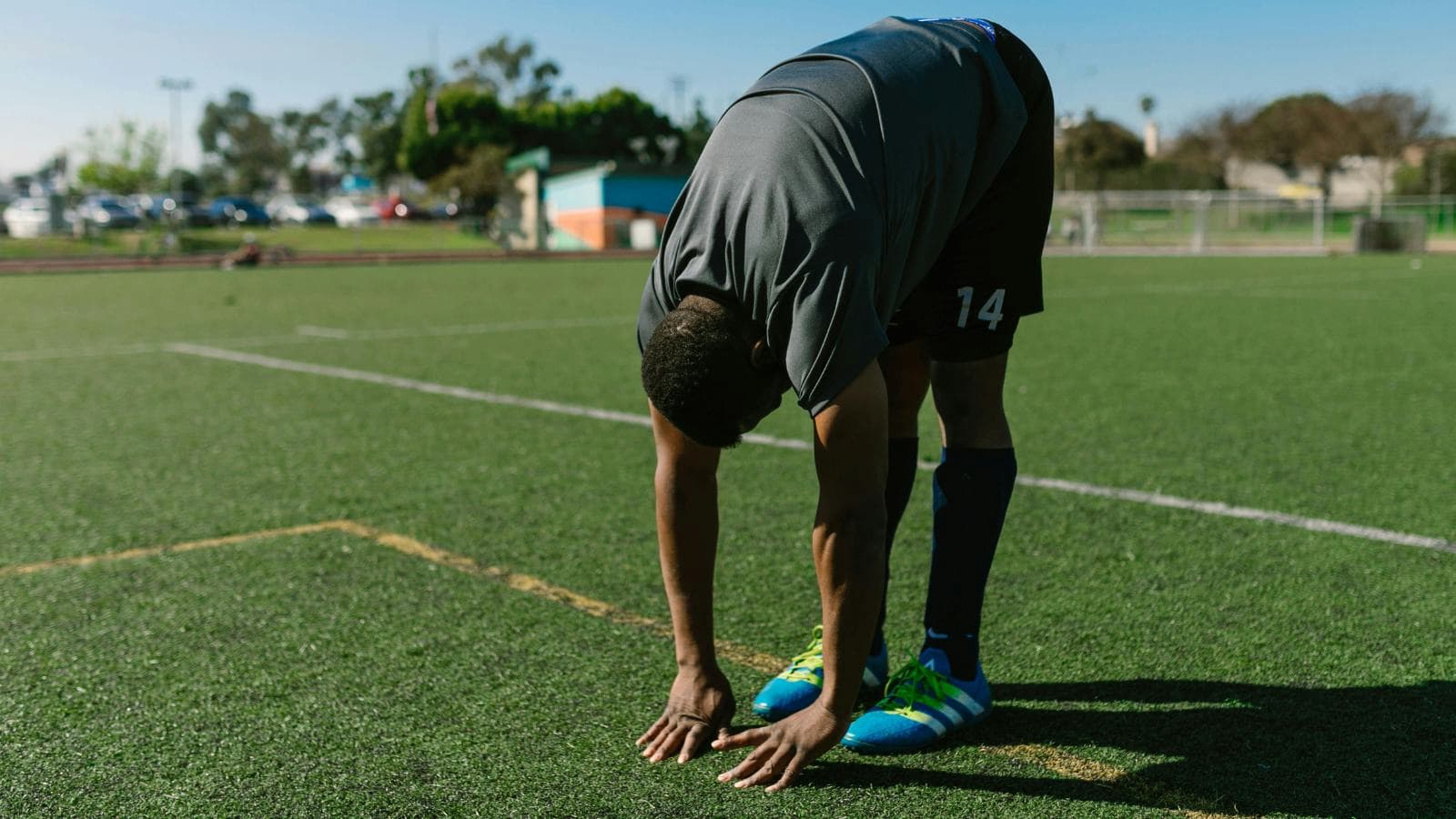
Preventing knee pain starts with improving alignment, pedalling mechanics, mobility, strength, and recovery. Most cyclists can reduce discomfort significantly by addressing the underlying cause early instead of simply riding through pain.
This becomes increasingly important during higher-volume endurance training like strength training for longer cycling rides where repetitive loading increases week after week
Poor Bike Fit Is the Most Common Cause
Bike position plays a major role in knee comfort. Incorrect saddle height, saddle position, or cleat alignment can alter joint mechanics and increase repetitive stress during pedalling.
Common bike fit problems include:
- Saddle too low
- Saddle too high
- Cleats rotated incorrectly
- Saddle too far forward
- Excessive reach
A saddle that is too low often increases pressure on the front of the knee because the joint remains excessively bent throughout the pedal stroke. A saddle that is too high can overload the back of the knee and hamstrings.
Even small adjustments can significantly improve comfort during longer rides.
Cadence Matters More Than Many Cyclists Realise
Grinding large gears at low cadence places higher force through the knees. Many recreational cyclists ride with cadence that is too low, especially on climbs or during fatigue.
A smoother cadence generally reduces joint stress.
Most endurance cyclists perform well around:
- 80 to 95 RPM on flat terrain
- Slightly lower on climbs depending on conditions
Higher cadence reduces peak force per pedal stroke and usually improves muscular efficiency over long distances.
Cyclists improving endurance pacing often benefit from concepts discussed in what is zone 2 cycling where controlled aerobic effort and efficiency become priorities.
Strength Training Supports Knee Stability
Weak supporting muscles increase knee stress during cycling. The knees rely heavily on surrounding muscles for stability and force control.
Important areas to strengthen include:
- Glutes
- Hamstrings
- Core
- Quadriceps
- Hip stabilisers
Weak glutes are particularly common in cyclists who spend long periods seated.
Poor hip stability can alter knee tracking and increase repetitive strain.
Useful exercises include:
- Split squats
- Step-ups
- Deadlifts
- Glute bridges
- Single-leg strength work
Cyclists who strength train consistently often experience better durability during high-volume riding.
Mobility Restrictions Can Affect Knee Mechanics
Limited mobility changes movement patterns throughout the pedal stroke.
Common problem areas include:
- Tight hips
- Restricted ankles
- Tight quadriceps
- Limited hamstring mobility
Restricted movement often forces the knees into less efficient positions repeatedly during long rides.
Mobility work does not need to be complicated. Short consistent routines usually provide meaningful improvements over time. This becomes especially important during heavy training phases covered in indoor vs outdoor cycling where fatigue often increases movement stiffness.
Sudden Training Increases Commonly Trigger Knee Pain
Many cyclists develop knee problems after increasing:
- Ride duration
- Climbing volume
- Intensity
- Frequency
Connective tissues adapt more slowly than cardiovascular fitness. Cyclists often feel aerobically capable of more training before the knees and surrounding tissues are prepared for the load.
Gradual progression helps the body adapt safely to increasing stress. Athletes preparing for endurance events explained in 10 minutes mobility plan before cycling often benefit from slower training progression to avoid repetitive overload.
Cleat Position Affects Knee Alignment
Cleat setup strongly influences knee tracking.
Incorrect cleat alignment can cause:
- Medial knee pain
- Lateral knee discomfort
- Patellar stress
- Excessive rotational strain
Cyclists should avoid forcing unnatural foot positions. Small cleat adjustments often create significant changes in comfort.
Important cleat considerations include:
- Foot angle
- Float allowance
- Cleat fore-aft position
- Symmetry between both feet
Many cyclists benefit from professional bike fitting when knee pain persists.
Recovery Matters During High-Volume Cycling
Fatigue affects movement quality.
As fatigue increases:
- Pedalling mechanics deteriorate
- Stability decreases
- Muscles compensate poorly
- Joint loading changes
Poor recovery also increases inflammation and reduces tissue repair.
Important recovery habits include:
- Sleep quality
- Nutrition
- Hydration
- Easy recovery rides
- Rest days
Cyclists ignoring recovery often experience recurring knee discomfort during consecutive training weeks.
Riding Big Gears Too Often Can Increase Stress
Many cyclists associate harder gears with strength development.
Constantly pushing large gears at low cadence can overload the knees unnecessarily, especially during endurance riding.
Smoother pedalling with controlled cadence usually produces:
- Better muscular endurance
- Lower joint stress
- Improved aerobic efficiency
Big-gear work can still be useful occasionally, but excessive use increases repetitive strain risk.
Saddle Position Influences Knee Pressure
Saddle setback affects how force transfers through the legs. A saddle positioned too far forward often increases pressure on the front of the knee.
Meanwhile, excessive setback may overload hamstrings and posterior structures.
Proper positioning allows:
- Balanced force production
- Stable pedalling mechanics
- Efficient knee tracking
Comfort should remain stable across longer rides rather than deteriorating progressively.
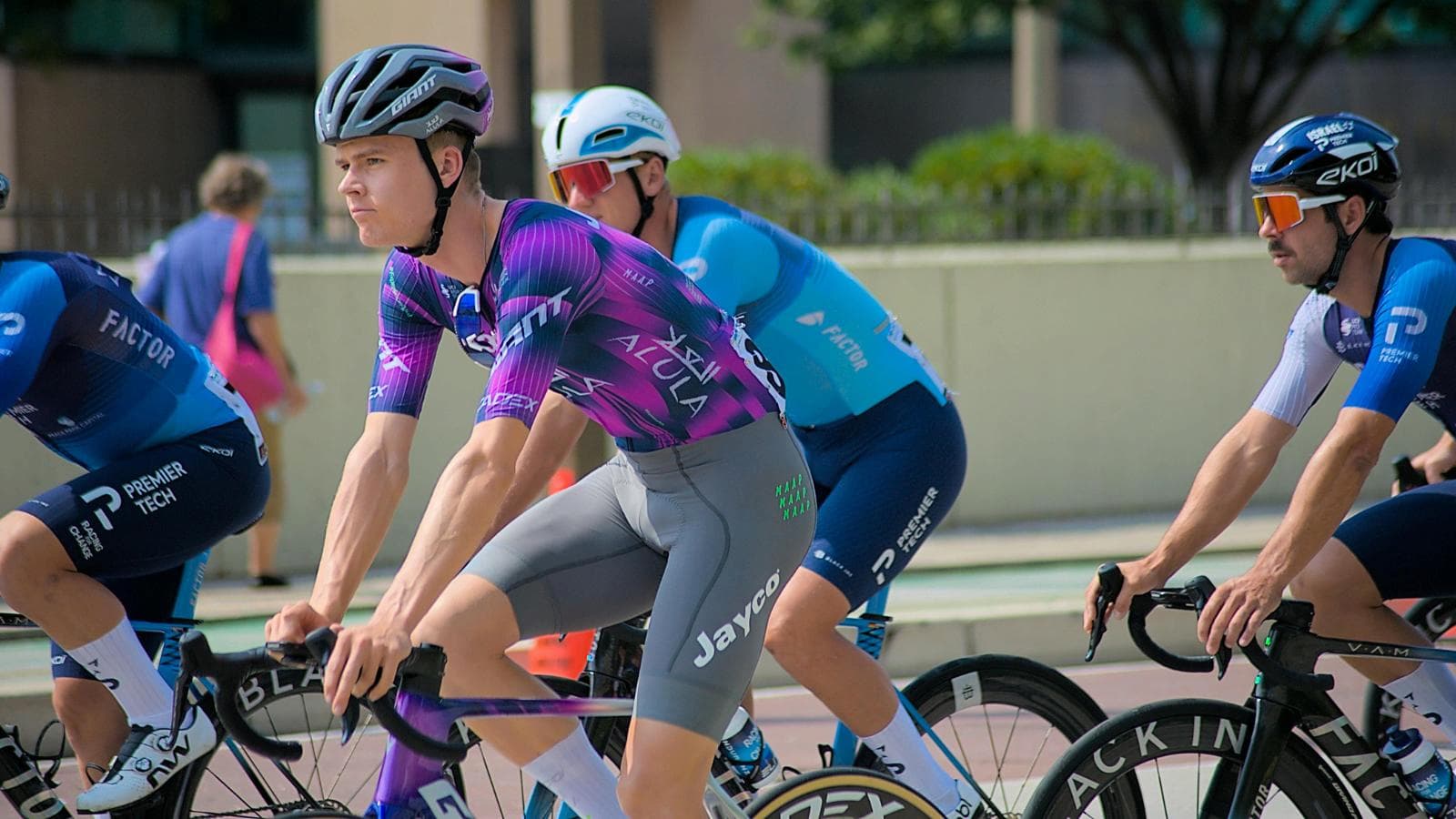
Climbing Technique Can Reduce Knee Pain
Climbing places additional force through the knees because resistance increases significantly.
Useful climbing habits for beginners include:
- Maintaining cadence
- Avoiding excessive grinding
- Staying relaxed
- Using appropriate gearing
- Remaining seated when possible during endurance rides
Standing aggressively for extended periods can increase knee loading further when fatigued.
Footwear Can Affect Cycling Knee Pain
Cycling shoes influence force transfer and alignment.
Poorly fitted shoes may contribute to:
- Foot instability
- Excessive knee movement
- Uneven pressure distribution
Shoes should feel supportive without excessive restriction.
Worn cleats or unstable soles can also affect pedalling mechanics over time.
Flexibility Alone Is Not Enough
Many cyclists rely only on stretching when knee pain develops. Flexibility helps, but stability and strength usually matter more long-term.
Cyclists need:
- Controlled mobility
- Hip stability
- Muscular balance
- Proper mechanics
Stretching aggressively without addressing weakness rarely solves recurring knee discomfort fully.
Common Mistakes Cyclists Make
Many cyclists worsen knee pain through avoidable habits.
Common mistakes include:
- Riding through pain
- Increasing volume too quickly
- Ignoring bike fit
- Grinding heavy gears constantly
- Skipping strength training
- Neglecting recovery
- Using poor cleat alignment
- Training fatigued continuously
Most knee pain develops progressively rather than appearing suddenly.
Practical Ways to Prevent Knee Pain During Cycling
Cyclists can reduce knee discomfort significantly by:
- Getting a professional bike fit
- Maintaining smoother cadence
- Strength training consistently
- Improving hip mobility
- Progressing training gradually
- Monitoring fatigue honestly
- Recovering properly between rides
- Using appropriate gearing on climbs
Small adjustments often create major improvements over longer rides.
FAQs
Knee pain is commonly caused by poor bike fit, excessive load, low cadence, muscular weakness, or recovery issues.
Yes. Proper saddle height, cleat position, and bike alignment significantly reduce knee stress.
Excessively low cadence increases force per pedal stroke and can increase knee loading over time.
Absolutely. Strength training improves stability, force control, and muscular balance around the knees.
Yes. Limited hip mobility often changes knee tracking and increases compensatory movement patterns.
Mobility work helps, but strength and proper mechanics are usually more important long-term.
Climbing increases resistance and force through the pedal stroke, which places more stress on the knees.
Yes. Incorrect cleat setup commonly alters knee tracking and increases repetitive strain.
Cycling is generally low impact, but poor setup and excessive repetitive stress can still create problems.