Saddle sores while cycling are usually caused by repeated friction, pressure, moisture, and irritation where your body contacts the saddle. They can range from mild chafing and tender skin to inflamed bumps or more significant skin problems. Long rides do not automatically cause saddle sores. Many problems develop because several factors occur together, such as a poor bike position, excessive movement on the saddle, damp clothing, unsuitable cycling shorts, or a sudden increase in riding volume.
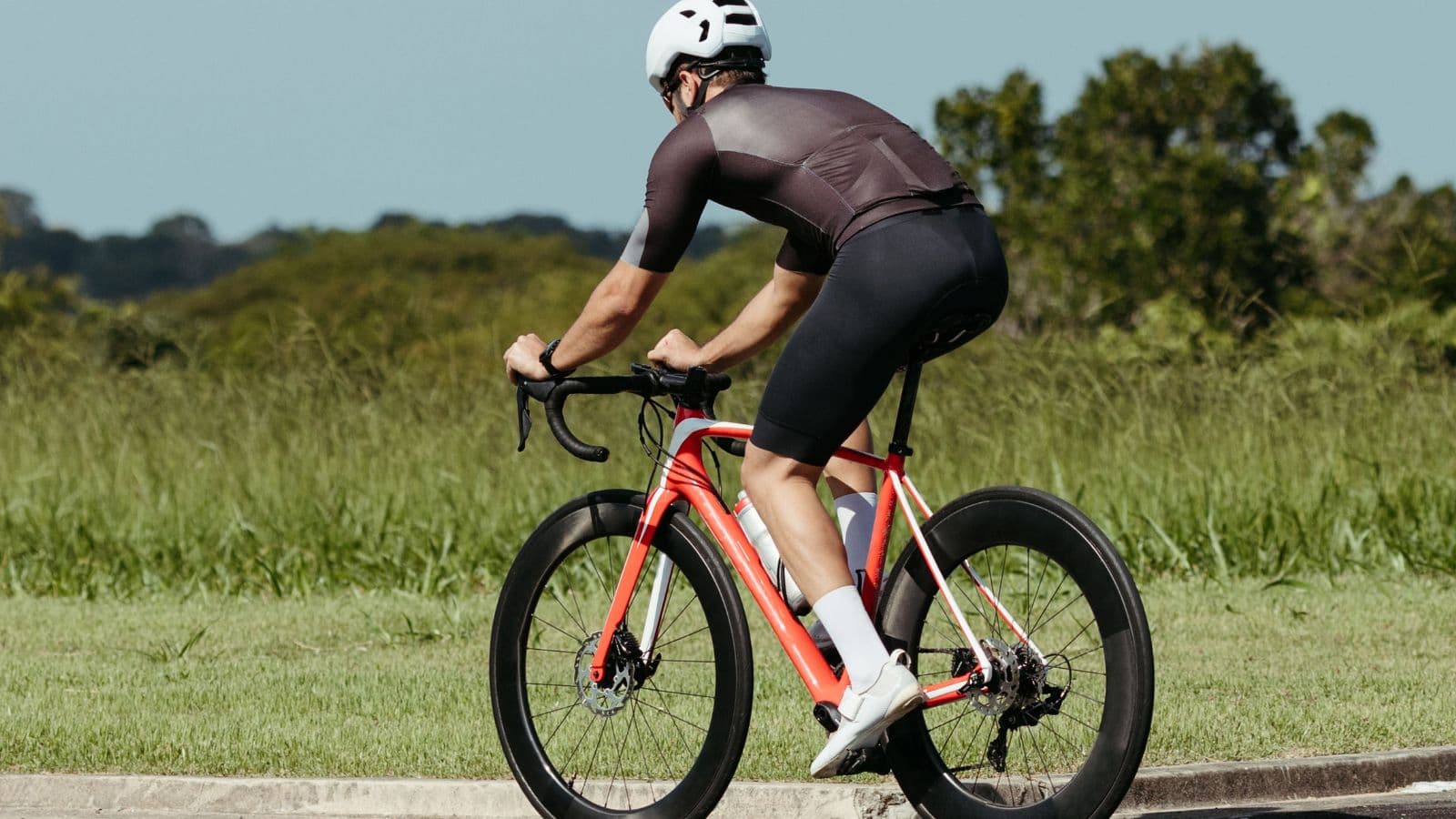
The solution is not always a softer or wider saddle. Preventing saddle sores requires looking at your bike fit, saddle position, clothing, hygiene, riding habits, and training load. Persistent, worsening, or infected sores should be assessed by a healthcare professional rather than repeatedly ridden through.
In Short
- Friction is a major cause of saddle irritation.
- Pressure can create painful contact points.
- Sweat and moisture increase skin irritation.
- Poor bike fit can increase movement on the saddle.
- Saddle shape should match the rider and riding position.
- Good cycling shorts can reduce friction.
- Clean shorts matter for skin health.
Friction Is a Major Cause
Your body moves slightly against the saddle with every pedal stroke. A small amount of movement is normal, but excessive rubbing can irritate the skin over thousands of pedal revolutions. Heat and moisture can make that friction more problematic. The result may begin as redness or tenderness and become increasingly uncomfortable during longer rides. Cyclists experiencing both skin irritation and other contact problems should also consider the wider issues covered in how to stop hand numbness and saddle discomfort on long rides, because discomfort often reflects the interaction between the rider, bike position, equipment, and duration.
Pressure Can Create Painful Areas
Friction is not the only issue. Sustained pressure against a small area can also cause discomfort. A saddle should support your body without creating excessive pressure at sensitive contact points. Comfort depends on:
- Saddle shape
- Width
- Position
- Bike setup
- Clothing
- The individual rider
Poor Bike Fit Can Increase Saddle Problems
Your position on the bike affects where and how much pressure reaches the saddle. If the saddle is too high, for example, your hips may rock as you reach for the bottom of each pedal stroke. That movement can increase friction. An unsuitable saddle angle or fore and aft position can also cause you to repeatedly slide or reposition yourself. Bike fit is therefore one of the first areas to consider when saddle sores keep returning. Understanding what are stack and reach in cycling bike fit can also help explain how the overall dimensions of a bike influence riding position rather than treating the saddle as an isolated component.
Saddle Height Matters
A saddle that is too high can make it difficult to maintain stable contact with the bike. You may rock from side to side, point your toes excessively, or shift your pelvis to reach the pedals. Those movements can increase friction around the saddle contact area.
- A saddle that is too low can create different positioning problems and may also affect comfort.
- Do not change saddle height dramatically based on one uncomfortable ride.
Small adjustments can have a noticeable effect, and multiple simultaneous changes make it difficult to identify what solved or created the problem.
Saddle Angle Can Affect Pressure
Most riders start with the saddle approximately level and make small adjustments when necessary. A nose that points too far upward can increase pressure toward the front of the saddle.
Tilting the nose too far downward can create another problem: you may continually slide forward and push yourself backward with your arms.
That extra movement can increase friction while also creating unnecessary upper body fatigue. Make small adjustments rather than extreme ones. If you cannot find a comfortable position, the saddle shape or overall bike fit may need attention.
Saddle Shape Needs to Suit the Rider
There is no universally comfortable cycling saddle. Riders differ in:
- Anatomy
- Flexibility
- Pelvic position
- Riding style
- Bike setup
A saddle that feels excellent to one cyclist may be uncomfortable for another.
- Road
- Gravel
- Mountain
- More upright bikes
can also place the rider differently. This is why saddle choice should be based on comfort and compatibility rather than appearance or popularity. Overall bike dimensions matter too. The principles behind how does bike geometry affect cycling performance help explain why the same saddle can feel different when used in different riding positions.
Cycling Shorts Can Reduce Friction
Good cycling shorts use a padded insert, commonly called a chamois, to provide a smoother contact surface between the rider and saddle. More padding is not necessarily better.
- Shape
- Density
- Placement
- Fit of the pad
matter more than simply choosing the thickest option. Avoid wearing normal underwear underneath padded cycling shorts. Extra seams and fabric can increase friction and hold additional moisture against the skin.
Sweat and Moisture Can Make Irritation Worse
Long rides, indoor cycling, and hot weather can leave the contact area warm and damp. Moist skin is generally more vulnerable to friction and irritation. Change out of sweaty cycling clothing as soon as practical after a ride. Remaining in damp shorts for hours provides no benefit and can worsen skin problems. Hot conditions also make good hydration and clothing management more important. Following an appropriate hydration strategy for cycling helps manage overall fluid needs, although drinking more does not directly prevent saddle sores.
The skin still needs appropriate clothing, hygiene, and friction control.
Training Volume Can Trigger Saddle Sores
Your skin and tissues need time to adapt to longer periods on the bike. A cyclist who normally rides for 60 minutes may experience problems after suddenly attempting a four hour ride even if the bike setup is reasonably good.
The issue is simple: contact time has increased dramatically.
Build longer rides progressively. The same principle used in how to increase cycling volume without the risk of injury applies to saddle tolerance. Gradual progression gives your body time to adapt instead of suddenly multiplying the duration of pressure and friction.
Indoor Cycling Can Increase the Risk
Saddle discomfort can sometimes become more noticeable indoors. On an outdoor ride, cyclists naturally change position when:
- Cornering
- Descending
- Climbing
- Stopping
- Moving around the bike
An indoor trainer can keep you in a much more static position. Sweating may also increase because there is less natural airflow. Use a strong fan, stand periodically when appropriate, and avoid remaining locked in exactly the same position for very long periods. Guidance on how to start indoor cycling training as a beginner can help new indoor riders manage session duration and setup while they adapt.
Your Pedaling Can Affect Saddle Movement
Pedaling technique can influence how stable you remain on the saddle. Excessive bouncing at high cadence or rocking from side to side can increase unwanted movement between the skin, shorts, and saddle. The solution is not to freeze your upper body completely. Instead, aim for a stable position with controlled pedaling. Work described in how to develop a smoother pedal stroke in cycling can help reduce unnecessary movement while improving overall coordination on the bike. Persistent rocking should also prompt a check of saddle height and bike fit.
Long Rides Need More Attention
A small fit or clothing problem may be barely noticeable during a short ride but become painful after several hours. That makes long rides useful for testing equipment before an important event. Do not debut a new:
- Saddle
- Shorts
- Major bike fit change
on your longest training day. As you follow how to build endurance for long cycling races, pay attention to where discomfort appears and when it starts. Recurring irritation in the same location is useful information. It suggests that something in the fit, saddle, clothing, or movement pattern deserves attention.
Chamois Cream Can Help Some Riders
Chamois cream is designed to reduce friction between the skin and cycling shorts. Some cyclists find it particularly useful for long rides, hot conditions, or riders who are prone to chafing. It is optional rather than essential. A cream should not be used to hide a major bike fit or saddle problem. If you continually develop sores in exactly the same location, investigate the underlying cause. Test any product during normal training before using it during a long event.
What Should You Do if a Saddle Sore Develops?
Mild irritation often benefits from reducing the activity that is continuing to irritate it. Change out of cycling clothing, keep the area clean and dry, and avoid repeatedly creating more friction.
- An open
- Very painful
- Swollen
- Worsening
- Draining lesion
requires more caution.
Do not squeeze or attempt to aggressively treat a significant lump yourself. If you develop spreading:
- Redness
- Significant swelling
- Drainage
- Fever
- Sore that does not improve
seek medical assessment. Continuing to ride can repeatedly irritate the area and delay recovery. Training guidance such as how to know if you are overtraining in cycling also reinforces a broader principle: continuing through every physical warning sign is not always productive.
When Should You Change Your Saddle?
Do not replace your saddle automatically after one uncomfortable ride. First consider whether the problem came from a: Sudden increase in duration
- Incorrect saddle position
- Unsuitable shorts
- Another recent change
A different saddle becomes worth considering when the current one repeatedly creates pressure or friction despite an otherwise appropriate setup. If several saddles create similar problems, professional bike fitting may be more useful than continuing to buy new equipment. Before long events, what you should check on your bike before every ride can also include confirming that the saddle has not shifted from its normal position.
Common Mistakes
- Assuming every saddle sore means the saddle needs more padding.
- Riding through worsening skin irritation.
- Wearing loose or poorly fitting cycling shorts.
- Wearing underwear beneath padded cycling shorts.
- Reusing dirty cycling shorts.
- Increasing ride duration too quickly.
- Making large saddle adjustments at once.
- Ignoring repeated hip rocking while pedaling.
- Staying in sweaty cycling clothing after a ride.
Practical Tips
- Wear clean, well fitting padded cycling shorts.
- Change out of damp shorts after riding.
- Build long ride duration gradually.
- Check saddle height and angle.
- Use a fan during indoor sessions.
- Test chamois cream if friction is a recurring issue.
- Avoid making several bike fit changes simultaneously.
- Address irritation before it becomes severe.
- Seek medical advice for persistent or infected sores.
Actionable Takeaways
Saddle sores usually result from a combination of friction, pressure, moisture, and prolonged contact with the saddle. Start by checking the basics: bike fit, saddle position, cycling shorts, hygiene, pedaling stability, and recent changes in riding volume. Do not assume a softer saddle is automatically the answer. A saddle must suit your anatomy and riding position while supporting you without creating excessive pressure or movement.
Longer rides should be built gradually so your body can adapt to more saddle time. If irritation begins, address it early. Repeatedly riding on a worsening sore can make a manageable problem more difficult to resolve. Persistent, severe, open, or potentially infected saddle sores require appropriate medical assessment rather than another equipment adjustment.
FAQs
A saddle sore is irritation, tenderness, chafing, or an inflamed skin lesion that develops around areas contacting the bicycle saddle.
The main contributors are friction, pressure, moisture, prolonged saddle contact, poor fit, and unsuitable clothing.
Use a suitable bike fit and saddle, wear clean padded shorts, manage friction, and increase riding duration gradually.
Avoid riding if the sore is open, very painful, swollen, worsening, or repeatedly irritated by cycling.
They can reduce friction and improve comfort, but they cannot compensate for every bike fit, saddle, hygiene, or training problem.
It can reduce friction for some cyclists, particularly during longer rides, but it is not a substitute for proper fit and clothing.
Yes. An excessively high saddle can increase hip rocking and friction against the saddle.
Long rides increase the duration of pressure, heat, moisture, and friction, making existing fit or clothing problems more noticeable.