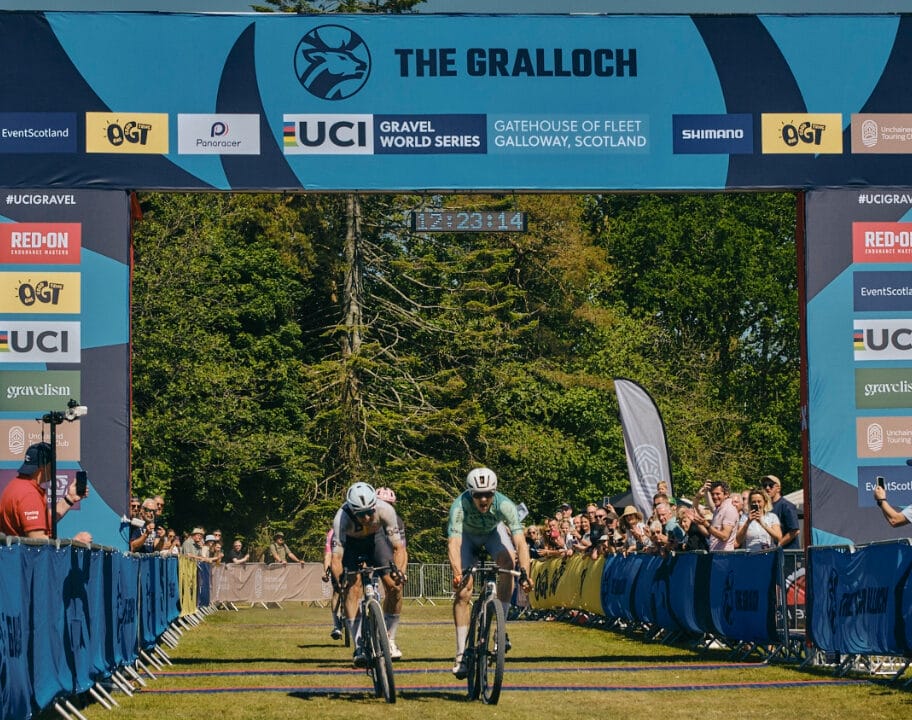
Cycling challenges can help build endurance by giving your training a clear goal and progressively exposing your body to longer periods of aerobic work. A challenge might involve completing your longest ride, reaching a weekly distance target, climbing a certain amount of elevation, or riding on consecutive days. The challenge does not need to be extreme. For many cyclists, gradually progressing from a comfortable two hour ride toward three or four hours can provide more useful endurance development than attempting an enormous one-day ride without enough preparation.
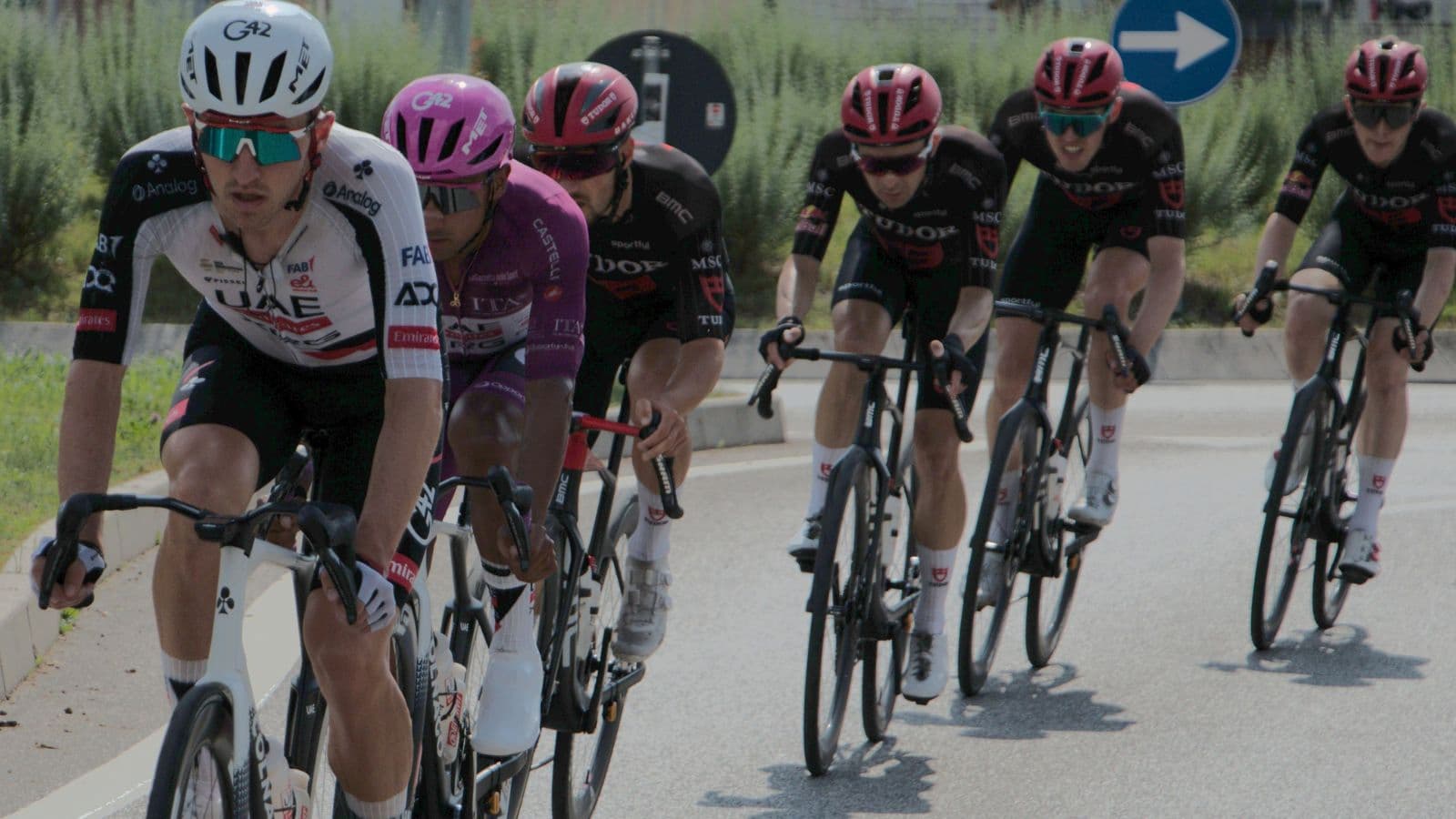
The most useful challenge matches your current fitness and gives you enough time to prepare progressively. A beginner attempting a 100 mile ride after regularly cycling only 20 miles is taking a very different risk from an experienced cyclist gradually extending an established endurance base.
In Short
- Long-ride challenges can build aerobic endurance.
- Distance goals provide a clear training target.
- Climbing challenges add muscular endurance demands.
- Indoor endurance challenges can maintain consistency.
- Challenges should progress gradually.
- Fueling and hydration become increasingly important.
- Recovery should be planned around demanding rides.
Try a Progressive Long-Ride Challenge
One of the simplest endurance challenges is gradually increasing your longest weekly ride.
You might progress from:
- 90 minutes.
- 2 hours.
- 2.5 hours.
- 3 hours.
- 3.5 hours.
The progression does not need to happen every week. The principles behind how to build endurance for long cycling races are more useful than simply trying to make every weekend ride longer than the previous one.
Set a Distance Challenge
Distance provides an easy target to understand.
Depending on your current ability, the goal might be:
- First 50 km.
- First 100 km.
- First 100 miles.
- Longest ride of the year.
- A specific sportive distance.
Choose a target that requires preparation without being completely disconnected from your current training.
As rides become longer, you need to manage:
- Pacing.
- Nutrition.
- Hydration.
- Comfort.
- Equipment.
- Mental concentration.
Build Toward a 100 km Ride
A first 100 km ride is a useful endurance milestone for many recreational cyclists.
Instead, progressively develop:
- Weekly riding consistency.
- Long-ride duration.
- Comfortable pacing.
- Fueling habits.
- Saddle tolerance.
Starting too hard can make the final section unnecessarily difficult. Learning how to pace a 100km or 100-mile bike ride can help you distribute effort more effectively rather than treating the opening hour like a short race.
Use a Time Based Cycling Challenge
Distance is not always the best measurement of endurance. Terrain can dramatically change how long a given distance takes.
A time based challenge might involve completing:
- 2 hours.
- 3 hours.
- 4 hours.
- 5 hours.
at a sustainable effort.
This can work particularly well on:
- Hilly routes.
- Gravel.
- Mountain bikes.
- Indoor trainers.
- Routes with variable conditions.
Time-based goals focus on how long your body can sustain cycling rather than how quickly you accumulate miles.
Try a Climbing Challenge
Climbing adds another dimension to endurance training.
For example:
- Complete a hilly route.
- Accumulate a target elevation.
- Repeat a local climb.
- Complete several sustained climbs in one ride.
Climbing challenges increase the importance of pacing because riding too hard early can quickly produce fatigue. Developing the skills in how to climb on a road bike for beginners can help you manage gearing, cadence, position, and effort rather than attacking every hill.
Use Hill Repeats for Muscular Endurance
You do not need access to huge mountains to create a climbing challenge.
Progress by changing:
- Number of climbs.
- Total elevation.
- Duration.
- Recovery.
- Overall ride length.
Keep the effort controlled when endurance is the objective. Turning every repetition into a maximum effort changes the session into a different type of workout.
Try Back to Back Long Rides
Consecutive cycling days can teach you to ride while carrying some fatigue from the previous session.
A weekend challenge might involve:
- Moderate Saturday ride.
- Longer Sunday ride.
Or:
- Long Saturday ride.
- Easier endurance ride Sunday.
This approach can develop durability without requiring one enormous ride. However, back-to-back training creates additional recovery demands. Following how to train for consecutive long cycling days can help you progress this type of challenge without simply doubling your normal workload overnight.
Complete a Weekly Distance Challenge
Not every endurance challenge needs to happen in one day. A weekly mileage target can encourage consistent riding.
For example, you might aim to complete a personal weekly total across:
- Easy rides.
- Commutes.
- Endurance rides.
- Indoor sessions.
- Recovery rides.
Your body still responds to total training load, even when the mileage is spread across several rides.
Try a Consistency Challenge
Endurance develops through repeated training. A consistency challenge may therefore be more productive than one huge ride. You could aim to complete a planned number of rides each week for several weeks.
They can include:
- Easy rides.
- Zone 2 sessions.
- Long rides.
- Short indoor sessions.
- Recovery cycling.
Understanding what is zone 2 cycling can help you keep much of this training sustainable enough to repeat consistently. The challenge is showing up regularly rather than making every ride impressive.
Build an Eight Week Endurance Challenge
A multi-week challenge provides enough time for progressive overload and recovery. Instead of focusing on one enormous ride, organize several weeks around gradual development.
You might progressively increase:
- Long-ride duration.
- Weekly volume.
- Elevation.
- Consecutive riding days.
Include easier periods rather than increasing workload continuously. The structure in how to build an eight week training plan for cycling can help turn a vague endurance goal into a progressive training block.
Try an Indoor Endurance Challenge
Bad weather or limited daylight does not have to stop endurance development.
Indoor challenges can include:
- 60-minute steady ride.
- 90-minute endurance session.
- Two-hour indoor ride.
- Progressive weekly duration target.
Long indoor rides can feel harder mentally because there are fewer natural changes in scenery and position.
You can organize the ride around:
- Time blocks.
- Cadence changes.
- Fueling intervals.
- Position changes.
- Short controlled efforts.
Try a Group Ride Distance Challenge
A group ride can make longer distances more enjoyable.
These include:
- Riding smoothly.
- Holding a steady pace.
- Conserving energy.
- Maintaining concentration.
- Eating and drinking while moving.
However, group rides can become much harder than planned when riders continually attack hills or chase faster cyclists. Understanding how to ride safely in a cycling group can help you gain the endurance benefits without turning every group ride into an uncontrolled race.
Use a Long Gravel Ride as a Challenge
Gravel can provide a different endurance stimulus because speed is often lower and terrain more variable.
A gravel endurance challenge may involve:
- Longer time in the saddle.
- Repeated changes in surface.
- More technical concentration.
- Additional climbing.
- Greater equipment demands.
Do not compare gravel speed directly with road speed.
Try a Negative-Split Endurance Ride
An endurance challenge does not always need to involve more distance. You can challenge yourself to control effort better. Start conservatively and aim to ride the second half at least as strongly as the first without turning the session into a race.
This teaches:
- Patience.
- Effort control.
- Fueling discipline.
- Fatigue management.
- Pacing awareness.
If you consistently fade badly during the final hour, the problem may be early pacing rather than insufficient fitness.
Practice a Steady Pacing Challenge
Choose a route and try to keep your effort controlled from beginning to end. Do not chase average speed every time terrain changes. Wind and hills can alter speed significantly. Focus instead on maintaining an appropriate effort. The principles behind how to pace a long cycling ride properly can help you avoid repeated power spikes that waste energy and make the later stages harder. This challenge is especially useful before long races and sportives.
Add a Fueling Challenge to Your Long Ride
Long rides provide an opportunity to train your nutrition strategy. Instead of waiting until you feel hungry, practice eating according to a planned schedule.
Test:
- Carbohydrate sources.
- Food texture.
- Portion size.
- Timing.
- Fluid intake.
- Stomach tolerance.
The purpose is not to see how little food you can survive on. Training with what to eat during long rides can help you find a fueling approach that supports sustained endurance.
Practice Fueling Before You Need It
One common mistake during endurance challenges is delaying food until fatigue is already developing. Long rides increase carbohydrate demands.
If you repeatedly underfuel, you may experience:
- Falling power.
- Heavy legs.
- Poor concentration.
- Irritability.
- Difficulty maintaining pace.
Fueling should therefore be part of the challenge rather than an afterthought. The longer the event, the more important it becomes to practice eating while riding.
Add a Hydration Challenge
Hydration can also be trained.
Use long rides to learn:
- How much fluid you typically need.
- How weather changes thirst.
- Where you can refill bottles.
- Whether your hydration setup is practical.
- How frequently you naturally drink.
Avoid turning hydration into a rigid competition to consume a fixed amount. Individual needs and environmental conditions vary.
Try a Low Speed Endurance Challenge
Endurance rides do not need to produce impressive average speeds. Slower sessions can allow you to accumulate useful aerobic work with less fatigue than repeatedly riding hard. This can make them easier to combine with the rest of your training. Understanding why are slower training sessions important for cycling training helps explain why a ride can be productive even when your average speed looks ordinary. Do not turn every endurance challenge into a race against your cycling computer.
Challenges Should Progress Gradually
The excitement of a new challenge can encourage cyclists to increase training too quickly.
Avoid suddenly doubling:
- Weekly mileage.
- Long-ride duration.
- Elevation.
- Training frequency.
Increase one major demand at a time where practical. A cyclist who can comfortably ride for two hours does not need to jump immediately to six hours to improve endurance. Progressive challenges are easier to recover from and more likely to support consistent training.
Recovery Is Part of the Challenge
Completing a demanding ride is only half of the training process. You also need to absorb it.
After a major endurance session, prioritize:
- Food.
- Fluids.
- Sleep.
- Easier training.
- General recovery.
Do not schedule a huge cycling challenge every weekend simply because you successfully completed the previous one. The goal is to become more durable over time rather than continually testing how exhausted you can become.
Common Mistakes
- Choosing a challenge far beyond current fitness.
- Increasing distance too quickly.
- Riding every challenge at race intensity.
- Starting long rides too hard.
- Ignoring fueling.
- Ignoring hydration.
- Increasing elevation and distance simultaneously.
- Copying another cyclist’s mileage.
- Turning every group ride into a race.
- Skipping recovery after demanding rides.
- Judging endurance only by average speed.
Practical Tips
- Choose a challenge appropriate for your current fitness.
- Increase long-ride duration gradually.
- Use time as well as distance.
- Practice pacing on every long ride.
- Fuel before energy levels collapse.
- Carry enough fluid for the conditions.
- Add climbing progressively.
- Use back-to-back rides carefully.
- Include easier weeks.
- Keep most endurance riding controlled.
- Record what worked after each challenge.
Actionable Takeaways
Cycling challenges can build endurance when they progressively increase how long you can perform useful aerobic work.
Good options include:
- Progressive long rides.
- 100 km or 100 mile goals.
- Time based rides.
- Climbing challenges.
- Back-to-back rides.
- Weekly distance targets.
- Consistency challenges.
- Long gravel rides.
- Indoor endurance rides.
The challenge should test your endurance without requiring a reckless increase in training load. Choose a realistic challenge, prepare progressively, recover properly, and then build toward the next one.
FAQs
A progressively longer endurance ride is one of the simplest options because the duration can be adjusted to your current fitness.
Yes. Preparing for a 100 km ride can develop aerobic endurance, pacing, fueling, hydration, and long-ride experience.
No. Endurance can improve through shorter progressive rides, consistent weekly volume, climbing, and structured aerobic training.
Yes. Climbing challenges can develop aerobic and muscular endurance when effort and total workload are controlled.
Yes. Longer controlled indoor sessions can develop aerobic endurance when outdoor riding is impractical.
No. Most endurance challenges do not need to be ridden at race intensity. Sustainable effort is usually more important than average speed.
It depends on the difficulty of the challenge, your fitness, and recovery. Demanding challenges need enough recovery before another major effort.