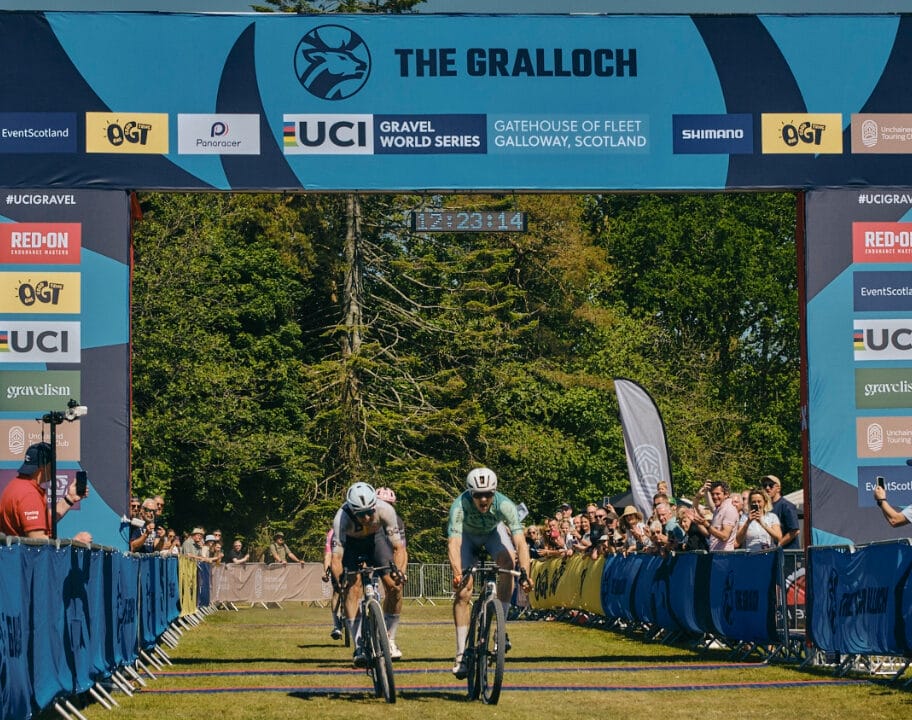
Cyclists often ride too hard during Zone 2 training because maintaining an easy, controlled effort is more difficult than it sounds. Hills, headwinds, group rides, inaccurate training zones, and the temptation to chase speed or power can gradually turn an aerobic ride into a much harder workout. Zone 2 training is intended to provide a sustainable aerobic stimulus without the fatigue associated with repeated high intensity work. The exact physiological boundaries depend on how training zones are defined, so cyclists should not assume that one universal heart rate or power percentage applies perfectly to everyone.
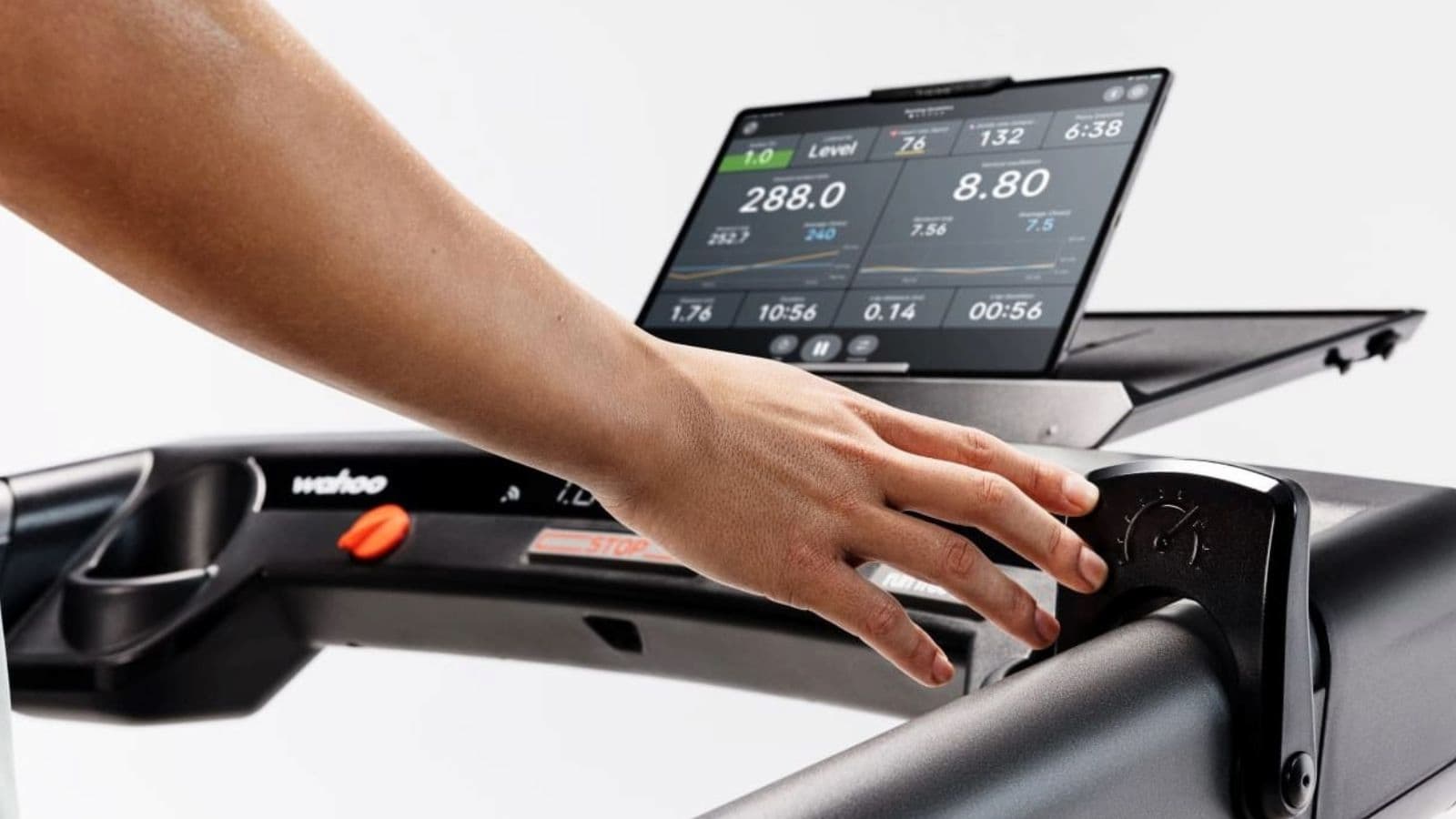
The important principle is control. A Zone 2 ride should generally feel sustainable, with steady breathing and an effort you could maintain for a long period. Riding harder does not automatically create a better aerobic workout. It often creates a different workout with a greater recovery cost.
In Short
- Easy cycling can feel too slow to ambitious riders.
- Speed is unreliable for controlling Zone 2 intensity.
- Hills and headwinds can quickly increase effort.
- Group rides often become harder than planned.
- Incorrect FTP or heart rate zones can misguide training.
- Zone 2 works best when cyclists respect the purpose of the session.
Cyclists Often Think Easy Means Unproductive
One major reason cyclists ride too hard is psychological. A controlled aerobic ride may not create the same sense of achievement as intervals, hard climbing, or finishing exhausted. Riders may therefore increase effort because the session feels too easy.
Zone 2 training is not designed to test your maximum ability. It allows you to accumulate aerobic training at an intensity that is generally more sustainable than harder work. Understanding what is zone 2 cycling helps separate the purpose of aerobic training from the feeling that every workout needs to be difficult.
Chasing Average Speed Pushes Effort Up
Average speed is strongly affected by conditions. Wind, gradient, road surface, traffic, temperature, equipment, and riding position can all change speed without representing a meaningful change in fitness. If you insist on maintaining your normal average speed into a headwind or uphill, effort can quickly rise beyond the intended range. A slow Zone 2 ride in difficult conditions can still provide exactly the training stimulus you wanted. How to increase average cycling speed is better treated as a long-term performance goal rather than something you need to prove during every aerobic ride.
Hills Make Zone 2 Harder to Control
Climbing naturally increases power requirements. On steeper gradients:
- Staying within an easy aerobic intensity can become difficult for cyclists with limited gearing or on routes with repeated short climbs.
- Use easier gears and allow cadence and speed to adjust.
- On very steep sections, a temporary increase above your intended range may be unavoidable.
- That does not automatically ruin the entire ride.
What matters is the overall character of the session. Knowing when should you climb seated vs standing on a bike can also help you manage climbing technique instead of attacking every hill simply because the road points upward.
Headwinds Encourage Cyclists to Fight the Conditions
A strong headwind can make an easy ride feel frustratingly slow. The natural response is often to push harder to maintain normal speed. This changes the training intensity even though the cyclist may still think of the session as an easy ride. Accept that speed will decrease. Use power, heart rate, breathing, and perceived effort to guide the session rather than treating the speed displayed on your computer as a target.
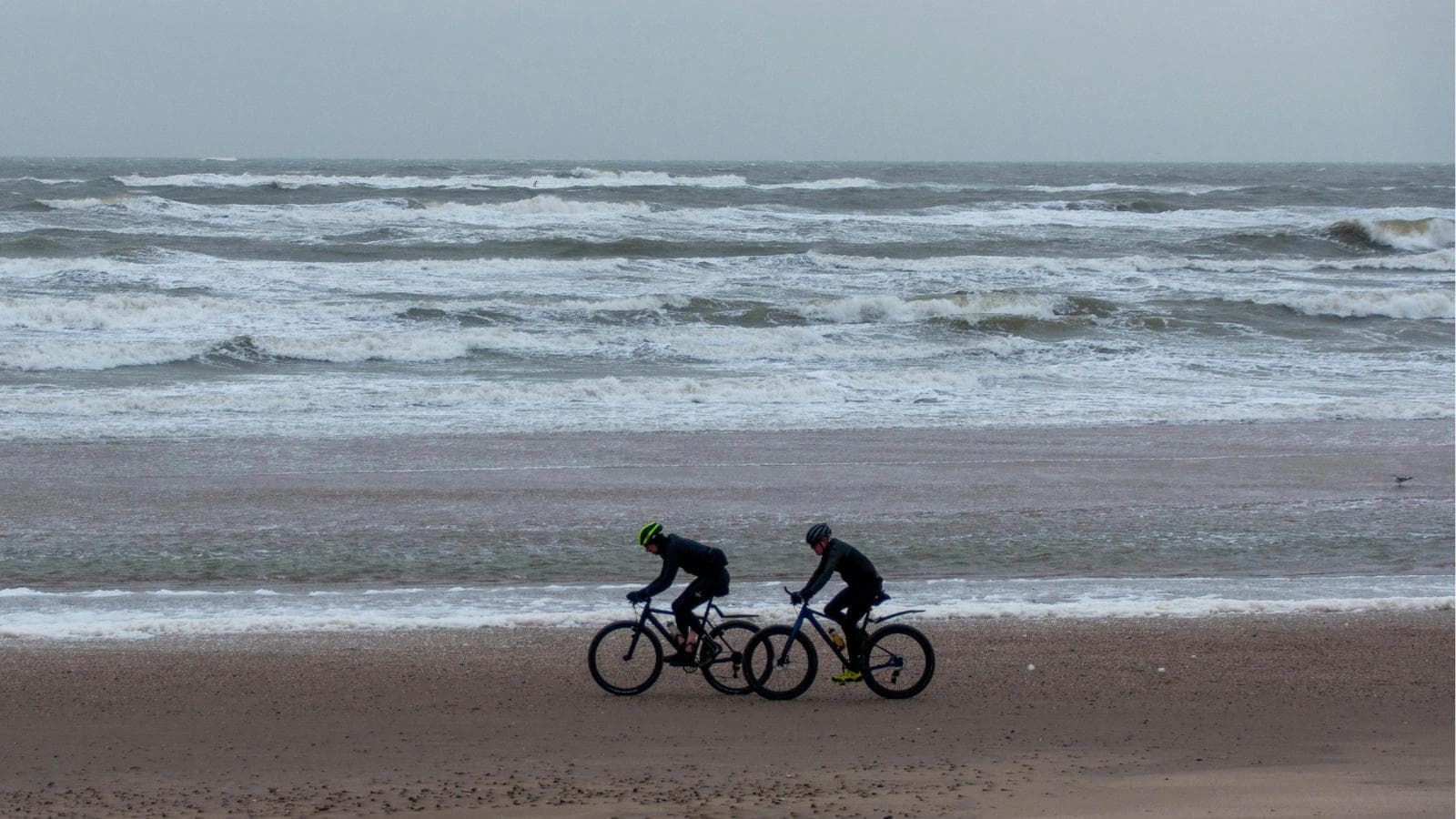
The same principle applies in crosswinds. How to ride in headwinds and crosswinds on a bike explains why effort and handling should adapt to conditions rather than forcing the same speed.
Group Rides Can Turn Zone 2 Into Something Else
Group riding can make controlled training difficult. Even when everyone agrees to ride easily, the effort may rise on climbs, after corners, during accelerations, or when someone increases the pace at the front. Drafting can also complicate intensity. You may be riding comfortably one moment and then producing much higher power to close a gap.
If the goal is a strict Zone 2 session, choose riding partners who understand the purpose or ride alone when necessary. Group rides are valuable, but not every group ride needs to serve as Zone 2 training.
Your Training Zones May Be Wrong
Cyclists sometimes ride too hard because the numbers they are following are inaccurate. Power zones based on an outdated or poorly estimated FTP can misrepresent current ability. Heart rate zones based on generic formulas can also be imprecise. If your Zone 2 target consistently feels unusually difficult, reconsider how your zones were established. Understanding what is ftp in cycling can help you use threshold-based power zones more appropriately rather than treating an old FTP value as permanently accurate. Zones are guides. They should make sense alongside how the effort actually feels.
Heart Rate Can Drift During Longer Rides
Heart rate does not remain perfectly constant. During a longer steady ride, heart rate can gradually rise even if power remains similar. Heat, dehydration, fatigue, and duration can all contribute. Look at the broader pattern and how you feel. If heart rate continues climbing while the same power becomes increasingly difficult, reducing effort may be appropriate. This is also why hydration matters on longer aerobic sessions. Hydration strategy for cycling can help you avoid turning preventable dehydration into additional cardiovascular strain.
Power Is Useful but Not Perfect
A power meter gives immediate information about external workload, making it useful for controlling intensity. However, power can fluctuate substantially on rolling roads, through corners, or during short changes in gradient. Do not try to keep the number perfectly fixed every second. Instead, aim for a generally controlled output appropriate to the terrain. Short fluctuations are normal.
Numbers should support judgment rather than replace it.
Perceived Effort Still Matters
Cyclists using technology sometimes stop paying attention to how the ride actually feels. During a typical Zone 2 ride:
- Breathing should generally remain controlled
- Conversation should be possible
- The effort should feel sustainable
If your supposed Zone 2 ride regularly feels demanding, your intensity may be too high or your zones may need reviewing. Perceived effort is especially useful when environmental conditions make heart rate or power harder to interpret.
Too Much Moderate Riding Can Increase Fatigue
A common training pattern is riding harder than intended on easy days while not riding hard enough to make key interval sessions truly productive. The cyclist ends up accumulating a lot of moderate fatigue. Understanding what is the difference between zone 2 and high intensity cycling helps clarify why different sessions need different purposes. This clears that:
- Zone 2 does not need to compete with interval training.
- Keeping aerobic rides controlled can leave more physical and mental energy for workouts where higher intensity is actually required.
Harder Zone 2 Does Not Mean Faster Improvement
Cyclists sometimes ride at the upper edge of their estimated Zone 2 because they assume this must produce greater benefits. That is not always necessary. The appropriate intensity depends on the duration, training phase, current fitness, and how the session fits into the rest of the week. Pushing toward the highest possible number can increase fatigue without providing a proportionally greater benefit. The objective is to accumulate useful aerobic work that you can recover from and repeat consistently.
Indoor Training Can Make Intensity Easier to Control
Indoor cycling removes hills, traffic, wind, and many other variables. That can make it easier to maintain steady power. However, indoor riding can feel harder because cooling is often reduced and there are fewer natural breaks in pedaling. Use adequate airflow, hydration, and a realistic power target.
How to start indoor cycling training as a beginner can help riders use indoor sessions effectively without making every trainer ride harder than necessary. Indoor Zone 2 sessions do not need to become endurance tests simply because power is easier to control.
Fatigue Can Change What Zone 2 Feels Like
Training zones are not completely disconnected from your physical condition. After several difficult days, a normal aerobic power may feel harder than expected. Poor sleep, work stress, heat, and inadequate fueling can have similar effects.
Consider:
- Reducing power
- Shortening the ride
- Taking additional recovery when necessary
Training should respond to your condition rather than treating every target as mandatory.
Underfueling Can Make Easy Riding Feel Hard
Some cyclists underfuel because they believe easy training should be completed with minimal carbohydrate or because they want to increase fat use. But as duration increases, inadequate fueling can make the session progressively harder and reduce subsequent recovery. Fueling needs depend on ride duration, intensity, goals, and individual circumstances.
What to eat during long rides can help you match carbohydrate and fluid intake to longer training rather than waiting until energy levels collapse.
You Do Not Need Perfect Zone 2 Every Second
Outdoor cycling is variable. Traffic, hills, junctions, and changes in terrain make perfectly constant intensity unrealistic. A brief rise above Zone 2 does not erase the aerobic value of an otherwise controlled ride. The problem is repeated or sustained increases that change the overall character of the session.
Focus on the purpose of the entire workout instead of becoming anxious about every small power or heart rate fluctuation.
How to Keep Zone 2 Rides Controlled?
Choose routes that support the workout. Flatter roads can make intensity easier to manage. On rolling routes, shift early and resist the temptation to accelerate over every climb.
You can also:
- Hide average speed from your bike computer.
- Use easier gears.
- Ride with compatible training partners.
- Monitor breathing and perceived effort.
- Reduce effort when heart rate drifts excessively.
- Avoid chasing riders who pass you.
- Save hard efforts for planned workouts.
The discipline to ride easily is a training skill in itself.
Common Mistakes
- Chasing average speed.
- Attacking every climb.
- Fighting headwinds.
- Using outdated training zones.
- Turning easy group rides into races.
- Riding at the top of Zone 2 unnecessarily.
- Ignoring perceived effort.
- Underfueling longer rides.
- Treating every brief zone change as a failed workout.
Practical Tips
- Choose flatter routes when possible.
- Let speed fall on climbs and into headwinds.
- Use power and heart rate as guides, not absolute rules.
- Keep breathing controlled.
- Update training zones periodically.
- Ride alone when group pace is unsuitable.
- Fuel longer sessions appropriately.
- Consider indoor riding for controlled aerobic work.
- Judge the whole session rather than individual seconds.
Actionable Takeaways
Cyclists ride too hard during Zone 2 training because speed, hills, wind, group dynamics, inaccurate zones, and the desire to make training feel productive can all push effort upward. A successful Zone 2 ride is controlled, sustainable, and appropriate to the rest of your training. Allow speed to change with conditions, use easier gears on climbs, and interpret power and heart rate alongside breathing and perceived effort.
Learning to ride easier when the plan calls for it can improve training consistency and leave you better prepared for the sessions where riding hard actually matters.
FAQs
If breathing becomes consistently heavy, conversation becomes difficult, or the effort feels increasingly demanding, you may be riding above the intended aerobic intensity.
It should generally feel controlled and sustainable. Longer rides can still create fatigue, but the intensity should not feel like a hard interval session.
Brief increases can happen outdoors, particularly on steep climbs. Shift into easier gears and reduce effort where possible without becoming concerned about every short fluctuation.
Both can be useful. Power measures external workload immediately, while heart rate reflects internal response. Using them alongside perceived effort often provides better context.
Heart rate can gradually rise because of duration, heat, dehydration, fatigue, or other factors even when power remains similar.
Not necessarily. Riding harder can increase fatigue, and the highest possible Zone 2 intensity is not required for every aerobic session.
Duration depends on fitness, goals, training history, and available time. Beginners may start with shorter rides, while experienced endurance cyclists can use substantially longer sessions.
A few brief increases usually do not ruin the workout. Repeated or prolonged higher intensity efforts can change its training purpose and increase the recovery required.