Cycling progress rarely continues at the same rate forever. Beginners may initially improve quickly, but gains in endurance, speed, and power usually become smaller as fitness increases. A period without obvious improvement does not necessarily mean your training has failed. A plateau can develop when training becomes too repetitive, when there is not enough overload to stimulate adaptation, or when hard training is not balanced with enough recovery. Poor sleep, inadequate fueling, unrealistic expectations, and constantly testing your fitness can also hide progress.
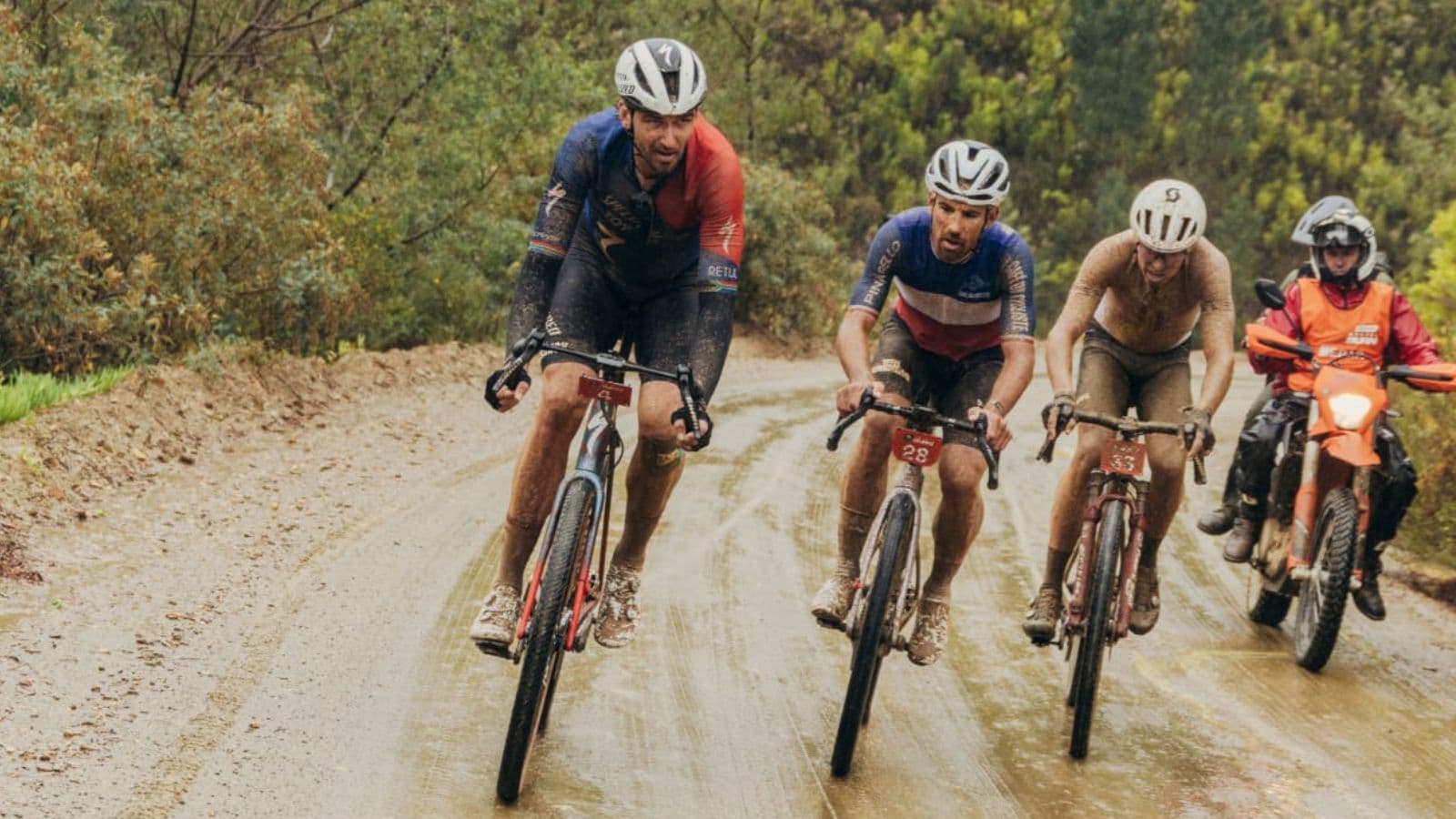
The solution is not automatically to ride more or harder. First identify what is limiting improvement, then make a targeted change. A sustainable training plan should provide enough stress to encourage adaptation while still allowing your body to recover and become stronger.
In Short
- Progress naturally becomes slower as you become fitter.
- Repeating the same rides can eventually produce smaller adaptations.
- More training only helps when you can recover from it.
- Too much moderate or hard riding can leave you constantly fatigued.
- Measure progress over weeks and months, not individual rides.
- Change training based on the cause of the plateau rather than simply adding mileage.
You May Be Repeating the Same Training
Your body adapts to repeated training stress. If every week contains the same routes, duration, pace, and effort, those sessions may eventually stop providing enough new stimulus to produce noticeable improvement. This does not mean every workout needs to be different. Consistency is important, but training should progress over time.
Progression might involve:
- Slightly longer endurance rides.
- More structured intervals.
- Additional climbing.
- Increased interval duration.
- Better recovery between hard efforts.
- Improved technical skills.
The goal is progressive overload rather than random difficulty. How to build an eight week training plan for cycling can help organize these changes instead of simply making every ride harder.
You Are Riding More but Not Recovering
Increasing volume is a common response to stalled progress. It can work when additional aerobic training is appropriate, but only if you can absorb it.
Signs that extra volume may be working against you include:
- Persistent heavy legs.
- Declining workout quality.
- Unusual soreness.
- Reduced motivation.
- Poor sleep.
- Difficulty reaching normal power.
- Feeling tired before sessions begin.
Before adding another ride, consider whether you are already recovering from your current workload. How to know if you are overtraining in cycling can help identify when accumulated fatigue deserves attention rather than another increase in training.
Too Many Rides Are Moderately Hard
Many cyclists understand that interval training should be hard but struggle to make easy rides genuinely easy. The result is a large amount of middle intensity riding: too demanding to maximize recovery but not targeted enough to provide the purpose of a structured hard workout. A more deliberate week separates training purposes.
Easy endurance rides develop aerobic fitness with manageable fatigue. Hard sessions target specific performance qualities. Understanding what is the difference between zone 2 and high intensity cycling can help you distinguish these sessions instead of allowing every ride to settle into the same effort.
Your Easy Riding May Be Missing
Slower training can feel unproductive when your goal is to become faster. However, aerobic endurance provides much of the foundation for longer and harder cycling. Easy riding can support endurance development while allowing you to accumulate training without the fatigue created by repeated high intensity sessions.
The key is keeping easy training purposeful rather than turning it into another test. What is zone 2 cycling explains how lower intensity aerobic riding can fit alongside harder sessions. If you repeatedly finish easy days exhausted, consider whether they are actually easy.
You Need a More Specific Training Stimulus
A cyclist can accumulate substantial mileage without training the specific quality that needs improvement. If your goal is higher sustained power, simply riding longer may eventually produce limited improvement. If short climbs are your weakness, long steady rides alone may not address them. Match training to the limitation.
For example:
- Aerobic endurance → longer controlled rides.
- Threshold performance → sustained harder intervals.
- Short power → shorter higher intensity efforts.
- Climbing → appropriate climbing specific work.
- Technique → skills and cadence drills.
If sustained cycling power is limiting performance, how does sweet spot training improve cycling provides one approach for adding structured work without relying entirely on maximum intensity.
You Are Doing Too Much High Intensity Training
Intervals can improve fitness efficiently, but adding more hard sessions is not always the answer. Repeated high intensity training can increase fatigue faster than fitness if recovery is inadequate. Workout quality may fall, easy rides become harder, and performance can appear to plateau.
Hard sessions should be demanding enough to create a useful stimulus but spaced so you can perform them properly. How can interval training improve cycling speed explains why structured intensity works best when the intervals have a clear purpose rather than being added simply because hard training feels productive.
Your FTP Is Not the Only Measure of Progress
Cyclists often judge improvement almost entirely by FTP. FTP can be useful, but cycling performance involves more than one number.
You may be improving if you can:
- Ride longer at the same effort.
- Produce the same power at a lower perceived effort.
- Recover faster between intervals.
- Climb more consistently.
- Hold better technique when tired.
- Complete longer rides with less fatigue.
- Maintain power later in a ride.
If FTP is important for your goals, use a consistent testing approach. What is ftp in cycling can help put the metric in context rather than treating every ride as an FTP test.
Constant Testing Can Interfere With Training
Trying to prove that you are fitter every week can become a problem. Hard group rides, frequent time trials, repeated FTP tests, and chasing personal records all create fatigue. When these sessions accumulate, you may spend more time testing fitness than building it.
Schedule assessments periodically and train between them. Progress is easier to identify when the testing method and conditions are reasonably consistent. A slower outdoor ride in wind or on different terrain does not automatically indicate declining fitness.
Your Cadence and Technique May Need Attention
Fitness is only part of cycling performance. Poor gear selection, inefficient pedaling habits, or difficulty maintaining a comfortable cadence can limit how effectively you use your fitness.
Technique work can include:
- Smooth gear changes.
- Cadence variations.
- Cornering.
- Climbing technique.
- Controlled descending.
- Stable body position.
Cycling cadence explained can help you understand how cadence interacts with power, gearing, terrain, and fatigue. Do not force an arbitrary cadence simply because another cyclist uses it. The aim is efficient, sustainable pedaling for your individual needs.
Strength May Be a Limiting Factor
Cycling itself develops cycling specific fitness, but appropriate strength training can complement it. Useful movements may target the legs, hips, and trunk through exercises such as squats, split squats, hip hinges, calf raises, and trunk stability work. Strength training should support cycling rather than create so much soreness that key rides suffer. The guidance in what strength training actually helps cyclists improve performance can help you add gym work without unnecessary volume.
You May Not Be Fueling Enough
Training quality depends partly on having enough energy to perform the work. Cyclists trying to lose weight sometimes reduce food intake while simultaneously increasing training. Others simply underestimate the energy demands of repeated long rides. Chronic underfueling can contribute to poor recovery, persistent fatigue, and difficulty completing quality sessions.
Fuel demanding workouts appropriately and support recovery afterward. Cycling nutrition guide provides a broader framework for matching everyday nutrition and ride fueling to training demands. More training cannot compensate for consistently inadequate recovery nutrition.
Sleep Can Hide Your Fitness
A well designed training plan can still produce disappointing results if sleep is repeatedly compromised. Sleep supports recovery, concentration, and adaptation. A cyclist who trains early every morning but consistently cuts sleep short may eventually struggle to absorb the workload. How much sleep does cyclist need for recovery is important to understand especially when work stress, travel, and other demands all contribute to the amount of stress you are managing. Sometimes the useful change is not another interval session. It is improving recovery around the sessions you already perform.
Your Goals May Need More Time
Progress becomes less dramatic as experience increases. A beginner may see large improvements over several months, while a trained cyclist might work for much smaller gains.
Ask whether you are improving across:
- Three months.
- Six months.
- A complete training phase.
- Similar rides under similar conditions.
Also recognize that performance does not improve in a straight line. Fatigue can temporarily hide fitness before recovery reveals the adaptation.
Use a Recovery Period Before Adding More Work
If you have trained consistently for several demanding weeks and performance has stalled, an easier period may help. That does not require complete inactivity.
You might temporarily reduce:
- Training volume.
- Interval quantity.
- Long ride duration.
- Gym workload.
Maintain some movement while giving accumulated fatigue an opportunity to decrease. If performance improves after easier training, insufficient recovery may have been part of the plateau.
Change One Thing at a Time
When progress stalls, cyclists sometimes change everything: training plan, bike setup, nutrition, cadence, equipment, and interval structure. That makes it difficult to know what actually helped. Start by identifying the most likely limitation. Then make a targeted adjustment and give it enough time to work.
Training adaptation takes weeks, not days. Constantly changing plans can prevent you from staying with any approach long enough to judge whether it is effective.
Common Mistakes
- Adding mileage immediately when progress stalls.
- Making every ride moderately hard.
- Completing too many high intensity sessions.
- Testing FTP too frequently.
- Ignoring persistent fatigue.
- Comparing rides completed in different conditions.
- Underfueling demanding training.
- Sacrificing sleep for extra sessions.
- Changing several training variables at once.
Practical Tips
- Review several weeks of training rather than one poor ride.
- Give easy and hard sessions distinct purposes.
- Increase workload progressively.
- Schedule recovery before fatigue becomes excessive.
- Fuel harder and longer sessions appropriately.
- Make targeted changes and allow time for adaptation.
Actionable Takeaways
Cycling progress can stall because your training is no longer providing enough new stimulus, but it can also stall because you are doing too much to recover properly. Distinguishing between those situations is essential. Progress also becomes slower as fitness increases. Judge improvement over meaningful periods and use several performance measures rather than expecting constant increases in speed or FTP.
A plateau does not always require harder training. Often, better structured training and enough recovery are what allow the next improvement to appear.
FAQs
More volume does not guarantee greater speed. Your training may lack specific intensity, sufficient recovery, progressive overload, or appropriate fueling for the work you are completing.
There is no fixed duration. A plateau may last several weeks or longer depending on training history, fatigue, recovery, and whether your current program provides an appropriate stimulus.
Not automatically. First assess whether you need additional training or whether accumulated fatigue is preventing improvement. Adding volume to an already overloaded schedule can make the problem worse.
Easy riding is valuable for aerobic development, but a cyclist seeking continued performance gains may eventually need appropriately structured harder training as well. The correct balance depends on goals and experience.
Yes. Excessive high intensity work can create persistent fatigue and reduce workout quality. Hard sessions need sufficient recovery to produce useful adaptation.
No. FTP improvement generally becomes slower as fitness increases and may temporarily plateau. Other performance qualities can improve even when your measured FTP remains unchanged.
Yes. Regularly inadequate sleep can interfere with recovery and training quality, making it harder to adapt to demanding workouts.
Inadequate energy and carbohydrate availability can reduce training quality and recovery. Consistently under-fueling while increasing workload can make productive training harder to sustain.
An easier training period can be useful when accumulated fatigue is contributing to poor performance. The amount of recovery needed depends on your recent workload and individual response.
Identify the most likely limitation first. Depending on the cause, improvement may require more specific training, better separation of easy and hard rides, improved recovery, appropriate fueling, strength work, or simply more time for adaptation.