Indoor cycling has become a key part of training for cyclists of all levels, from beginners to professional racers. While many riders turn to the indoor trainer when the weather deteriorates, riding indoors throughout the year offers benefits that extend far beyond avoiding rain or cold temperatures. Used alongside outdoor riding, indoor cycling provides a controlled environment for structured workouts, efficient training and consistent fitness development. It allows cyclists to maximize every minute of training without interruptions from traffic, weather or road conditions.
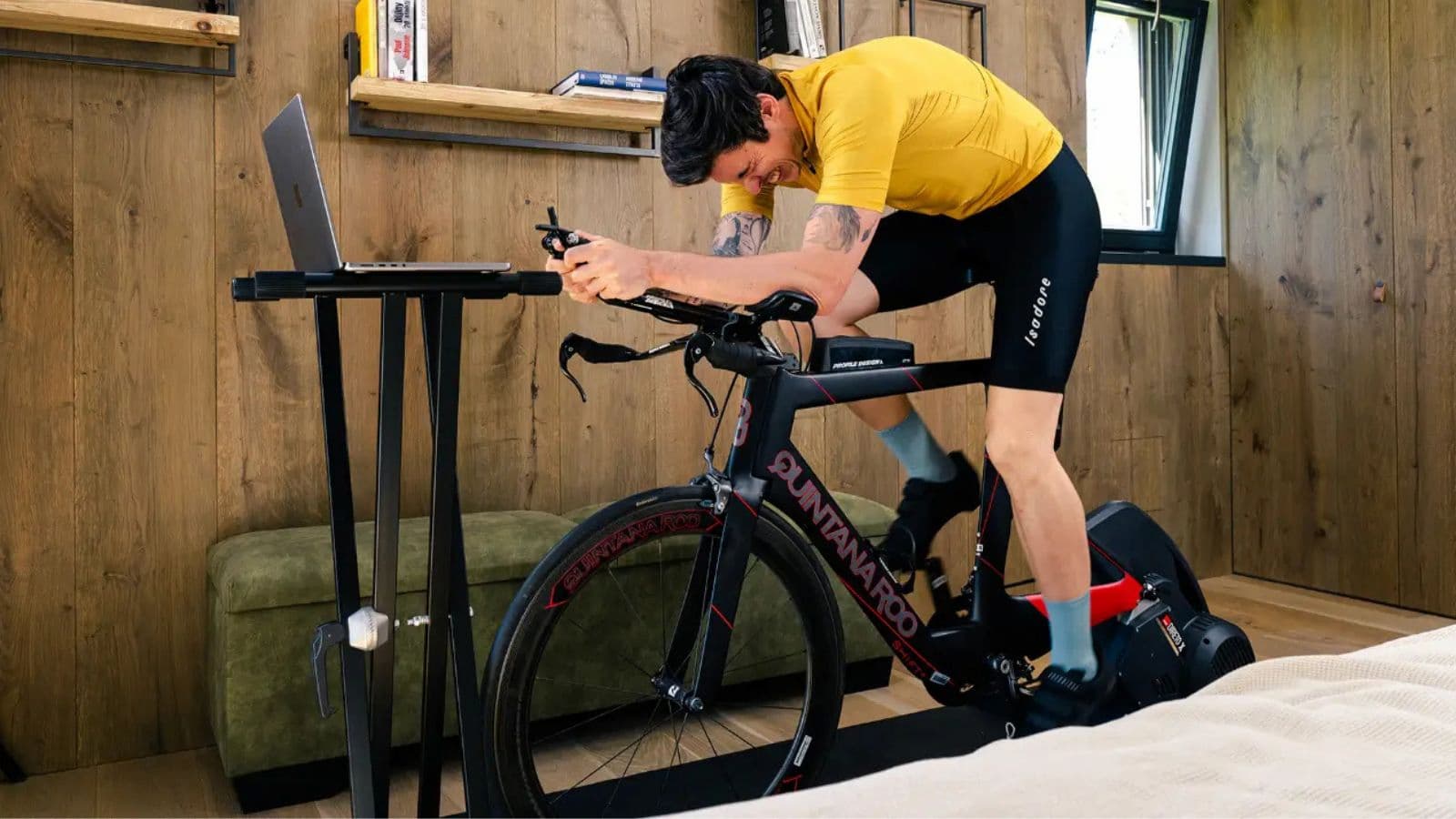
The key is using indoor sessions strategically rather than replacing outdoor riding altogether.
Train More Consistently
One of the biggest advantages of indoor cycling is consistency. Weather, daylight and traffic no longer determine whether you train.
Indoor riding allows you to:
- Stick to your training plan.
- Avoid missed workouts.
- Train before or after work.
- Maintain fitness year-round.
Many cyclists discover that tips to help improve indoor cycling motivation makes it easier to remain consistent even during busy weeks.
Every Minute Is Productive
Outdoor rides often include:
- Traffic lights.
- Junctions.
- Descents.
- Coasting.
- Traffic.
Indoor cycling removes most interruptions.
This means:
- Continuous pedalling.
- Controlled intervals.
- Predictable recovery periods.
- More efficient sessions.
Short indoor workouts can often provide a significant training stimulus.
Easier to Complete Structured Workouts
Maintaining specific power or heart rate targets outdoors isn’t always possible.
Indoor trainers make it easier to perform:
- Threshold intervals.
- VO₂ max sessions.
- Sweet spot workouts.
- Cadence drills.
- Recovery rides.
Cyclists looking to increase sustainable power often combine these sessions with how to increase your ftp, allowing every interval to be completed as planned.
Build Aerobic Fitness Year-Round
Long-term endurance depends on consistent aerobic training.
Indoor cycling supports:
- Zone 2 rides.
- Base training.
- Recovery sessions.
- Endurance development.
Without weather interruptions, cyclists can continue building fitness throughout every season. Many riders strengthen this foundation through what is zone 2 cycling, making aerobic development a year-round priority.
Better Control Over Training Intensity
Indoor riding removes variables such as:
- Wind.
- Traffic.
- Road gradient.
- Surface quality.
This allows you to control:
- Power output.
- Cadence.
- Heart rate.
- Recovery periods.
The result is more accurate execution of your training plan.
Improve Pedalling Technique
With fewer external distractions, indoor sessions allow greater focus on technique.
Work on:
- Smooth pedal stroke.
- Cadence control.
- Stable upper body.
- Even power application.
Many cyclists improve efficiency through how does single leg cycling workouts improve pedal stroke efficiency, using indoor sessions to refine movement patterns.
Develop Mental Resilience
Indoor rides require sustained concentration.
Unlike outdoor riding, there are few opportunities to:
- Coast.
- Descend.
- Stop frequently.
Learning to maintain focus during uninterrupted efforts helps build mental resilience for long races and demanding training sessions.
Safer During Poor Conditions
Indoor cycling eliminates risks associated with:
- Ice.
- Snow.
- Heavy rain.
- Poor visibility.
- Busy roads.
- Strong winds.
Rather than skipping training because of unsafe conditions, you can continue riding indoors. Many cyclists also combine indoor training with how can winter riding improve bike handling skills, using outdoor rides when conditions are suitable and indoor sessions when they’re not.
Easier Recovery Sessions
Recovery rides should remain easy.
Indoor cycling helps maintain low intensity because you can:
- Set resistance precisely.
- Monitor effort continuously.
- Avoid unexpected hills.
This reduces the temptation to ride harder than planned.
Convenient for Busy Schedules
Not every cyclist has several hours available every day.
Indoor riding removes:
- Travel time.
- Route planning.
- Traffic delays.
This makes it easier to fit quality training around work and family commitments.
Test Nutrition Strategies
Long indoor rides provide an excellent opportunity to practise:
- Carbohydrate intake.
- Hydration.
- Energy gels.
- Sports drinks.
- Electrolyte use.
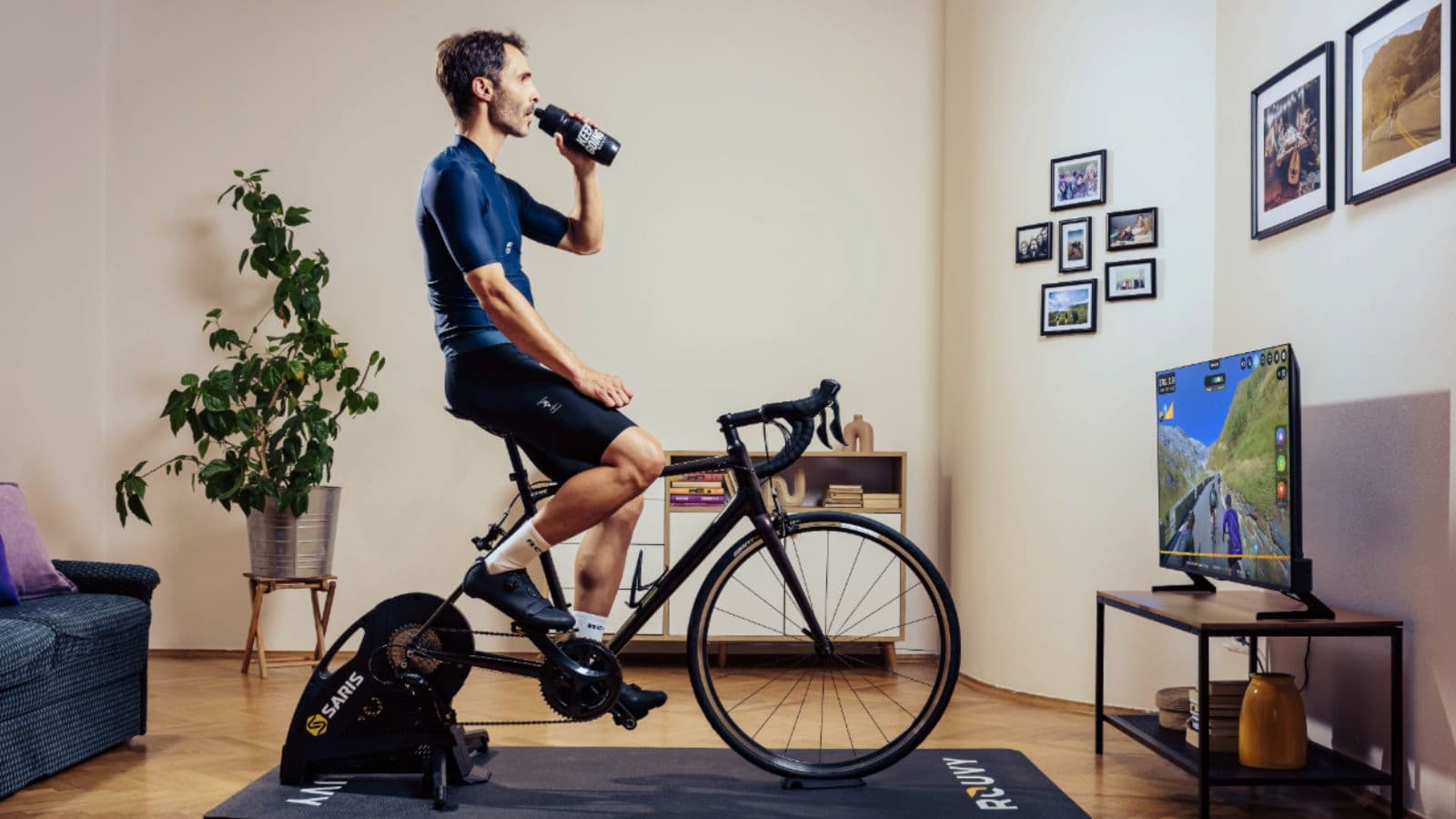
Many cyclists improve these habits through how should you fuel and hydrate during indoor cycling workouts, ensuring nutrition is ready for longer outdoor rides and races.
Easier Progress Tracking
Indoor environments remain relatively consistent.
This makes it easier to compare:
- Power output.
- Heart rate.
- Cadence.
- Interval performance.
Long-term progress becomes clearer because environmental variables are reduced.
Complements Outdoor Riding
Indoor cycling shouldn’t completely replace riding outdoors.
Outdoor rides remain important for:
- Bike handling.
- Cornering.
- Descending.
- Group riding.
- Road awareness.
Indoor training works best when combined with real-world cycling experience. Many riders improve this balance through how to train smarter and ride stronger, integrating structured indoor sessions with practical outdoor riding.
Common Mistakes
Avoid these common errors:
- Riding indoors every day.
- Ignoring bike handling skills.
- Skipping recovery rides.
- Forgetting hydration.
- Poor bike setup.
- Training without a plan.
- Repeating the same workout every week.
- Neglecting cooling with a fan.
Variety and structure keep indoor training productive.
Practical Tips
Make indoor cycling more effective by:
- Following a structured plan.
- Using a powerful fan.
- Staying hydrated.
- Mixing interval and endurance sessions.
- Monitoring progress.
- Continuing outdoor rides.
- Adjusting sessions to your goals.
Many cyclists also improve motivation by understanding why cyclists shouldn’t rely on training data, using performance metrics as a guide while still listening to how their body feels. Finally, maintaining regular indoor sessions supports how can you boost cycling speed through better technique and training, allowing fitness and technical improvements to continue throughout the entire year.
The Bottom Line
Indoor cycling is far more than a winter alternative. It provides a controlled environment for structured training, consistent aerobic development, efficient interval sessions and reliable progress tracking regardless of the season. When combined with outdoor riding, indoor cycling helps build stronger, fitter and more consistent cyclists. Rather than viewing the indoor trainer as a backup option, think of it as another valuable tool that supports year-round performance.
FAQs
Yes. Indoor cycling supports structured training, endurance, interval work and recovery throughout every season.
No. Outdoor riding remains essential for developing bike handling, cornering and real-world riding skills.
Without traffic, descents or junctions, you spend more time pedaling and completing planned workouts.
Yes. Long Zone 2 rides indoors help build aerobic fitness and improve endurance.
Absolutely. It provides a safe, controlled environment for building fitness and confidence.
Yes. Many elite cyclists use indoor trainers year-round for interval sessions, recovery rides and race preparation.
This depends on your goals, but many cyclists include one to three indoor sessions each week.
Continuous pedaling, higher sweat rates and fewer recovery opportunities often make indoor sessions feel more demanding.