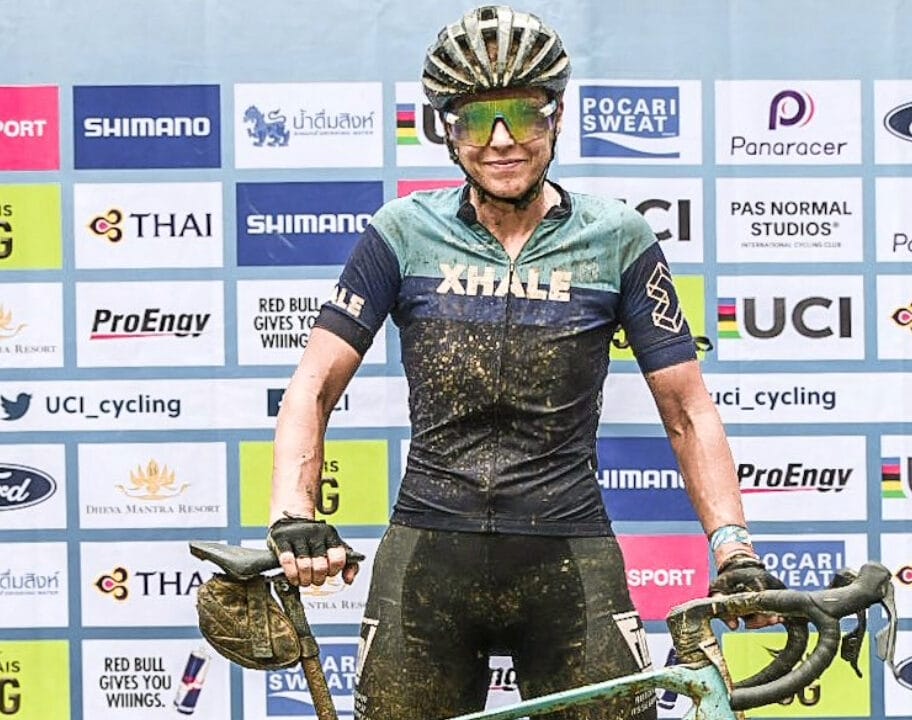
Bikepacking is a form of cycling that combines long-distance riding with lightweight camping equipment carried directly on the bike. Unlike traditional cycle touring, bikepacking typically follows gravel roads, forest tracks, mountain bike trails, and remote routes, allowing riders to explore places that are inaccessible by car. For endurance athletes, bikepacking offers much more than adventure. It develops aerobic fitness, pacing, mental resilience, technical bike handling, and self-sufficiency while encouraging long hours in the saddle without the pressure of racing.
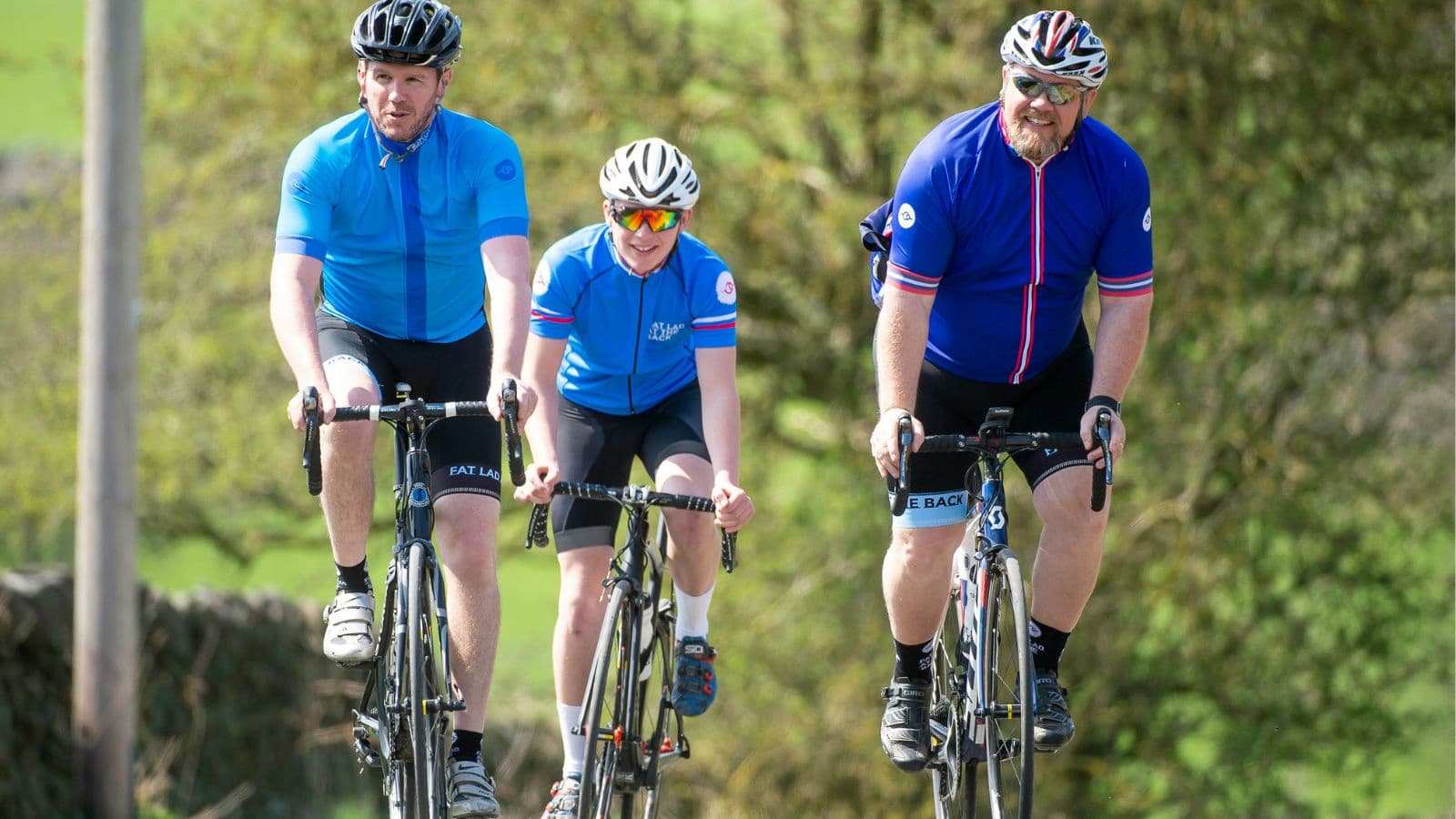
Whether you’re training for gran fondos, gravel races, endurance events or simply looking to build a stronger aerobic engine, bikepacking can become a valuable addition to your cycling routine.
What Makes Bikepacking Different?
Although both involve travelling by bike, bikepacking is generally lighter and more adaptable than traditional touring.
Bikepacking usually features:
- Soft frame bags instead of panniers.
- Mixed terrain routes.
- Lightweight camping equipment.
- Longer periods away from towns.
- Greater emphasis on self-sufficiency.
Many cyclists also improve their confidence before attempting longer adventures by learning what are stack and reach in cycling bike fit, ensuring their riding position remains comfortable over many hours.
Builds Exceptional Aerobic Endurance
Bikepacking naturally encourages long, steady rides at sustainable intensities.
These prolonged efforts improve:
- Aerobic capacity.
- Fat metabolism.
- Muscular endurance.
- Cardiovascular efficiency.
- Recovery between consecutive riding days.
Unlike structured interval sessions, bikepacking develops the endurance needed for multi-hour efforts. Cyclists often combine these long adventures with what is zone 2 cycling, as both focus on building a strong aerobic foundation.
Improves Pacing Skills
Starting too hard on a multi-day ride quickly leads to fatigue.
Bikepacking teaches riders to:
- Ride within their limits.
- Manage effort over long distances.
- Climb efficiently.
- Conserve energy.
- Finish each day feeling capable of riding again tomorrow.
These pacing skills transfer directly into endurance races. Many athletes reinforce this approach by understanding how to pace a 100km or 100-mile bike ride, where controlled effort is essential.
Develops Mental Resilience
Endurance sports challenge the mind as much as the body.
During bikepacking trips you’ll encounter:
- Changing weather.
- Mechanical issues.
- Long climbs.
- Fatigue.
- Navigation challenges.
- Unexpected route changes.
Learning to adapt without becoming frustrated builds confidence that carries into every endurance event. Overcoming small challenges repeatedly develops patience and resilience.
Improves Bike Handling
Loaded bikes behave differently from standard road bikes.
Bikepacking teaches riders how to:
- Corner smoothly.
- Brake progressively.
- Descend confidently.
- Maintain balance.
- Ride confidently on loose terrain.
These handling skills often improve further by practising mounting and dismounting on the bike, particularly when routes include gravel and technical trails.
Encourages Better Nutrition Habits
Long days in the saddle quickly highlight the importance of proper fuelling.
Bikepacking teaches athletes to:
- Eat regularly.
- Carry sufficient food.
- Hydrate consistently.
- Plan refuelling stops.
- Adjust nutrition based on ride duration.
Many cyclists improve these habits further by following how to fuel for a 2-hour cycling ride, then gradually adapting those principles for much longer adventures.
Builds Self-Sufficiency
One of bikepacking’s greatest strengths is learning to solve problems independently.
Essential skills include:
- Fixing punctures.
- Adjusting gears.
- Repairing chains.
- Managing equipment.
- Reading maps.
- Planning routes.
These practical abilities increase confidence on every ride, even close to home.
Improves Bike Fit Awareness
Small discomforts become major problems after several hours.
Bikepacking helps riders recognise issues with:
- Saddle height.
- Handlebar position.
- Reach.
- Cleat alignment.
- Hand pressure.
Addressing these problems early makes future endurance rides significantly more comfortable. Cyclists often begin by reviewing how to stop hand numbness and saddle discomfort on long rides, as comfort becomes increasingly important during consecutive long days.
Encourages Consistency Instead of Intensity
Bikepacking isn’t about riding at maximum effort.
Instead, success comes from:
- Consistent pacing.
- Daily progress.
- Smart recovery.
- Sustainable riding.
- Efficient energy management.
This approach reinforces the lessons discussed in why is consistency more important than intensity for cycling success, helping cyclists appreciate the value of long-term fitness over short bursts of speed.
Strengthens Decision-Making
Unlike organised races, bikepacking requires constant decision-making.
You’ll regularly evaluate:
- Weather conditions and changes.
- Route choices.
- Water availability.
- Nutrition.
- Equipment.
- Camp locations.
These experiences improve judgement and planning for future endurance events.
Makes Long Rides Feel Easier
After spending several consecutive days riding, single-day endurance events often feel less intimidating.
Bikepacking improves your ability to:
- Stay comfortable.
- Manage fatigue.
- Maintain concentration.
- Recover overnight.
- Ride efficiently for extended periods.
Many endurance cyclists notice improved confidence during sportive events after incorporating occasional bikepacking trips into their yearly training.
Helps You Appreciate Recovery
Success during multi-day riding depends heavily on recovery.
Important recovery habits include:
- Eating soon after finishing.
- Stretching lightly.
- Sleeping well.
- Hydrating consistently.
- Preparing equipment for the next day.
These routines complement what you should eat after a hard cycling workout, allowing your body to recover more effectively between long rides.
Common Bikepacking Mistakes
Avoid these common beginner errors:
- Carrying unnecessary gear.
- Starting with overly ambitious routes.
- Ignoring weather forecasts.
- Underestimating water requirements.
- Poor bike fit.
- Neglecting nutrition.
- Forgetting repair equipment.
- Riding beyond your current fitness.
Learning gradually makes future adventures far more enjoyable.
Practical Tips for Your First Bikepacking Trip
Prepare carefully before setting off.
Remember to:
- Test all equipment beforehand.
- Ride with a loaded bike before your trip.
- Carry basic repair tools.
- Plan food and water stops.
- Keep daily distances realistic.
- Check weather forecasts.
- Tell someone your planned route.
Many cyclists also find it useful to review what you should check on your bike before every ride, helping prevent avoidable mechanical problems before heading into remote areas.
The Bottom Line
Bikepacking is much more than an outdoor adventure. It develops endurance, pacing, resilience, bike handling and self-sufficiency while providing an enjoyable way to spend long hours on the bike. For endurance athletes, the benefits extend far beyond fitness. The physical and mental skills developed during bikepacking can improve performance across road cycling, gravel racing and long-distance events while making every ride more rewarding.
FAQs
Bikepacking combines cycling with lightweight camping, allowing riders to travel long distances while carrying their equipment directly on the bike.
Yes. It develops aerobic endurance, pacing, resilience and long-duration riding skills that transfer well to endurance events.
No. Gravel bikes, hardtail mountain bikes and many adventure road bikes are suitable depending on the terrain.
Daily distances depend on terrain and fitness, but many beginners aim for manageable stages that allow time for recovery and enjoying the journey.
Yes. Riding a loaded bike across varied terrain improves balance, braking, cornering and overall bike control.
You’ll typically need bikepacking bags, basic camping equipment, repair tools, spare clothing, food and navigation equipment.
Absolutely. Many road cyclists use bikepacking to build endurance while exploring quieter roads and gravel routes.
Most riders use frame bags, saddle bags and handlebar bags instead of traditional panniers to keep the bike lightweight and balanced.
No. It complements structured training by developing endurance and practical riding skills, but interval and strength sessions remain important.