Mountain biking is one of the most rewarding ways to ride a bike. It combines fitness, adventure, technical skill, and exploration in a way that road cycling rarely can. However, mountain biking also introduces challenges that many beginner cyclists have never experienced before, including:
- Uneven terrain
- Steep descents
- Loose surfaces
- Obstacles
- Rapid direction changes
- Technical climbing
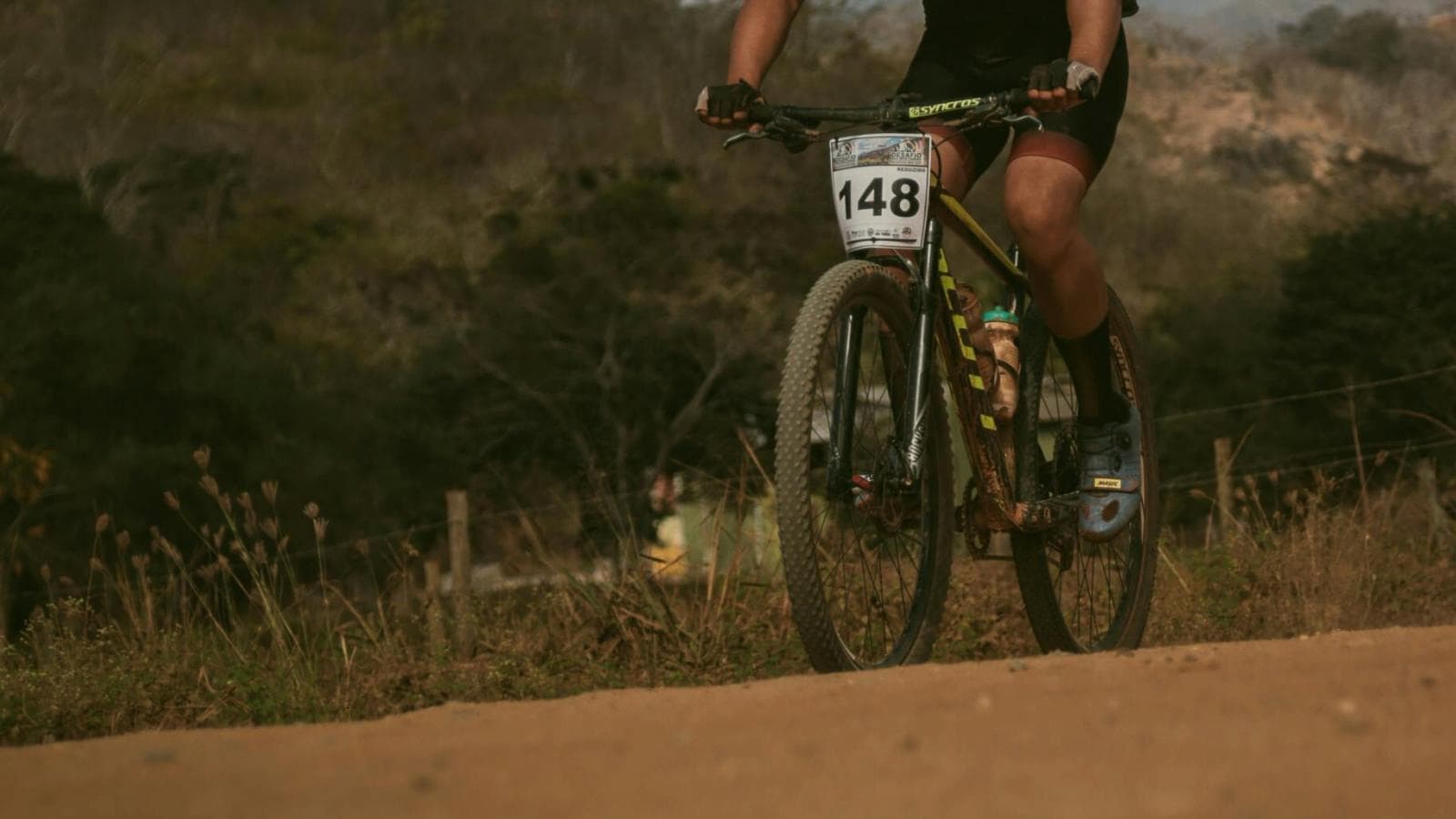
The good news is that you do not need to be an expert rider to start mountain biking. Most skills can be developed gradually through practice and experience. The goal as a beginner is not riding the most difficult trails immediately. The goal is building confidence, control, and good habits that will allow you to progress safely over time.
Start on Easy Trails
One of the biggest mistakes beginners make is choosing trails that exceed their skill level.
Many new riders become discouraged after immediately tackling:
- Rock gardens
- Technical descents
- Steep drops
- Advanced trails
Instead, start with:
- Wide trails
- Smooth surfaces
- Flow trails
- Beginner-friendly routes
Learning basic bike handling is much easier when the terrain allows you to focus on technique rather than survival. Just as riders gradually progress through how to train for consecutive long cycling days, mountain biking skills improve most effectively through consistent exposure rather than sudden challenges.
Learn Proper Body Position
Body position is one of the most important mountain biking skills.
A good riding position helps improve:
- Balance
- Stability
- Bike control
- Confidence
Key fundamentals include:
- Bent elbows
- Bent knees
- Relaxed shoulders
- Eyes looking ahead
- Neutral body position
Many beginners ride too stiffly, which reduces their ability to react to changing terrain.
The bike should move beneath you while your body remains balanced and relaxed.
Look Further Down the Trail
Your bike naturally follows your vision. Many beginner riders focus directly in front of the front wheel.
This often causes:
- Late reactions
- Poor line choice
- Reduced confidence
Instead, train yourself to look:
- Ahead through corners
- Toward obstacles
- Down the trail
This improves:
- Anticipation
- Flow
- Safety
The same visual awareness that helps riders during how to cycle safely in the rain becomes equally valuable on unpredictable trails.
Practice Braking Correctly
Braking is a skill.
Many beginners either:
- Brake too late
- Brake too aggressively
- Avoid braking altogether
Effective braking involves:
- Using both brakes
- Applying pressure progressively
- Braking before corners
- Staying balanced
Learning proper braking technique dramatically improves confidence on descents. It also reduces the likelihood of crashes caused by panic braking.
Stay Relaxed on Descents
Downhill sections can feel intimidating at first.
Fear often causes riders to:
- Grip the bars tightly
- Lock their elbows
- Lean back excessively
These reactions reduce control.
Instead:
- Stay loose
- Keep elbows bent
- Stay balanced
- Let the bike move beneath you
Riders who improve through how to mount and dismount your bike smoothly often discover that relaxation improves handling far more than bravery. Confidence develops through skill rather than forcing speed.
Learn How to Corner Properly
Cornering is a fundamental mountain biking skill.
Good cornering involves:
- Looking through the turn
- Entering at a controlled speed
- Leaning the bike appropriately
- Staying balanced
Many beginners enter corners too quickly and then brake mid-turn. This often reduces grip and confidence.
Smooth cornering creates:
- Better flow
- Improved safety
- Greater efficiency
Choose the Right Gear
Mountain biking does not require endless equipment upgrades.
However, some essentials are important:
- Helmet
- Gloves
- Eye protection
- Appropriate footwear
- Water
Bike setup matters too.
Athletes who regularly follow what you should check on your bike before every ride often avoid many common mechanical problems because they develop strong maintenance habits early. A well-maintained bike is easier and safer to ride.
Learn to Shift Efficiently
Trail terrain changes constantly.
Good gear selection helps riders:
- Climb efficiently
- Maintain momentum
- Reduce fatigue
Common beginner mistakes include:
- Shifting under heavy load
- Staying in difficult gears
- Waiting too long to shift
Anticipating terrain changes helps maintain smooth pedalling and better bike control.
Build Fitness Gradually
Mountain biking often feels harder than road cycling because of:
- Climbs
- Technical terrain
- Constant adjustments
- Repeated accelerations
Many beginners become exhausted because they try to ride too hard too soon.
Building aerobic fitness gradually improves:
- Endurance
- Recovery
- Climbing ability
Athletes working on how to increase cycling volume without the risk of injury often benefit from applying the same gradual progression principles to mountain biking.
Don’t Be Afraid to Walk
Many beginners believe they must ride every obstacle.
In reality, experienced mountain bikers frequently:
- Walk technical sections
- Inspect difficult features
- Choose safer options
Walking a section is often the smartest decision available. Confidence grows from successful experiences, not unnecessary crashes.
Practice Climbing Technique
Climbing off-road differs significantly from climbing on pavement.
Traction becomes a major factor.
Key climbing tips include:
- Stay seated when possible
- Maintain smooth pedalling
- Keep weight balanced
- Look ahead
Sudden movements often reduce grip and make climbs more difficult. Developing efficient climbing technique improves both performance and confidence.
Maintain Momentum
Mountain biking rewards momentum.
Constantly stopping and restarting can:
- Increase fatigue
- Reduce efficiency
- Make obstacles harder
Learning to carry speed smoothly through terrain often makes trails feel easier. This does not mean riding recklessly. It means riding efficiently.
Hydration Matters More Than You Think
Mountain biking frequently involves:
- Longer climbs
- Remote locations
- Higher physical demands
Dehydration can quickly affect:
- Concentration
- Reaction time
- Performance
Athletes who understand how much should you drink per hour on the bike often perform better because they stay ahead of hydration needs rather than reacting after problems appear.
Develop Trail Awareness
Mountain biking is not only about riding.
It also involves:
- Reading terrain
- Spotting hazards
- Anticipating conditions
Good riders constantly evaluate:
- Surface quality
- Corner exits
- Obstacle placement
- Trail flow
This awareness improves with experience and contributes significantly to safety.
Recovery Supports Skill Development
Mountain biking places stress on:
- Arms
- Shoulders
- Core
- Legs
- Nervous system
Beginners are often surprised by how demanding technical riding can be.
Recovery helps:
- Consolidate skills
- Improve confidence
- Reduce injury risk
Athletes who follow principles discussed in strength training for cyclists often understand that improvement happens through the combination of training and recovery rather than constant effort.
Learn Basic Bike Maintenance
Mechanical issues can quickly end a ride.
Every beginner should learn:
- How to repair a flat tyre
- Basic chain maintenance
- Brake inspection
- Tyre pressure checks
These simple skills increase:
- Independence
- Safety
- Confidence
Understanding your equipment helps prevent small issues becoming major problems.
Ride With More Experienced Cyclists
One of the fastest ways to improve is riding with people who have more experience.
Experienced riders can help with:
- Line choice
- Technique
- Trail selection
- Safety
Athletes improving through how to climb on road bike for beginners often realise that learning from stronger riders can accelerate development both physically and technically. Observation is a powerful learning tool.
Common Beginner Mountain Biking Mistakes
Many new riders slow their progress through avoidable habits.
Common mistakes include:
- Looking down
- Riding trails that are too difficult
- Braking too aggressively
- Riding tense
- Ignoring hydration
- Neglecting bike maintenance
- Avoiding skill practice
- Comparing themselves to experienced riders
Most of these problems improve naturally through patient progression.
Practical Ways to Improve as a Beginner
Mountain bikers can develop confidence and skills by:
- Starting on easy trails
- Practising body position
- Looking ahead
- Improving braking technique
- Building fitness gradually
- Learning basic maintenance
- Staying hydrated
- Riding consistently
The best mountain bikers are not necessarily the riders with the most expensive bikes. They are usually the riders who continually develop their skills while staying patient throughout the learning process.
FAQs
Mountain biking often requires more technical skill, balance, and bike handling than road cycling.
Beginner-friendly trails with smooth surfaces and moderate terrain are ideal.
No. A reliable, well-maintained bike is more important than an expensive one.
Practice, proper body position, and gradual exposure help build confidence.
Fitness helps, but technical skills are equally important.
Many beginners ride with excessive tension and poor body position.
Choosing trails beyond your skill level and trying to progress too quickly.