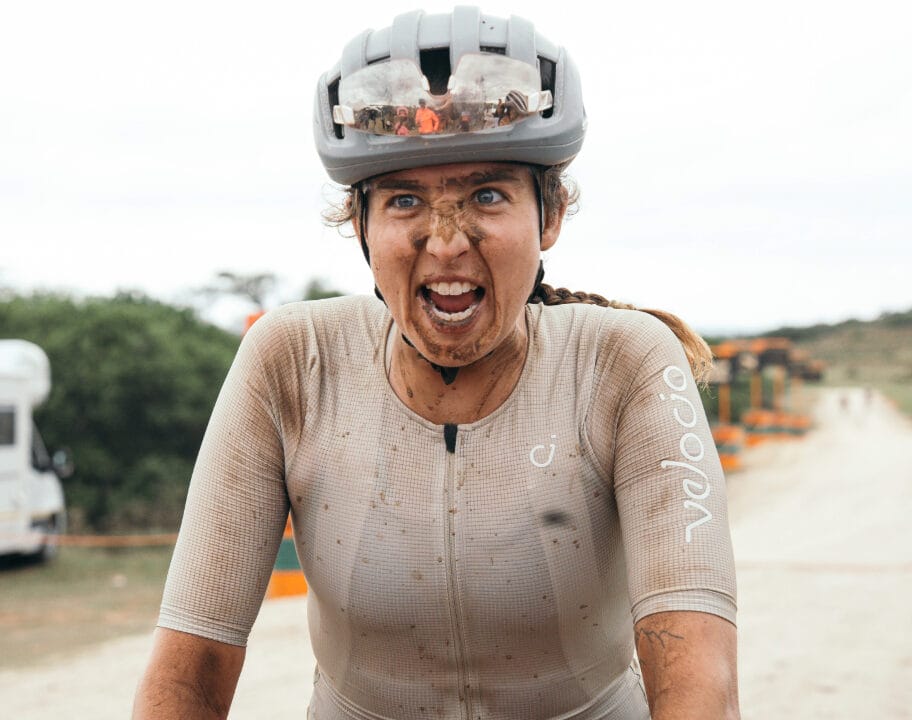


The biggest mistakes cyclists make when riding downhill include braking too late, entering corners too quickly, using an unstable body position, and focusing on obstacles instead of the road ahead. These errors can reduce bike control and increase the risk of crashes, particularly on steep or unfamiliar descents. Descending is a skill that requires balance, anticipation, and smooth bike handling. Although gravity helps cyclists gain speed, maintaining control becomes increasingly important as the road gets steeper or more technical. Many beginners feel uncomfortable descending because they are unsure when to brake, how to position their bodies, or how to approach tight corners. Others become overconfident and ride faster than their experience or road conditions allow.
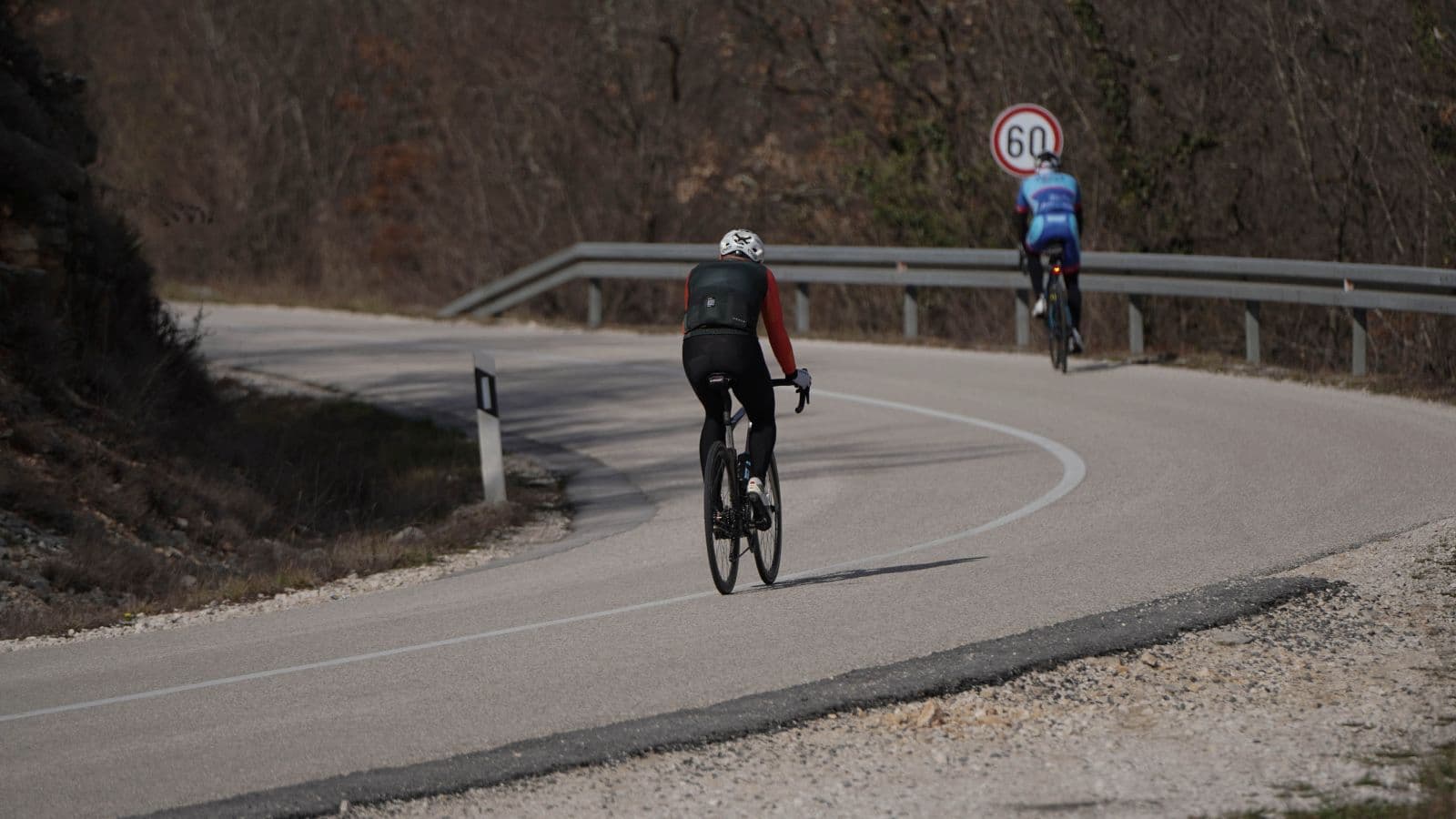
Learning to recognize common mistakes can make downhill cycling safer and more predictable. The goal is not to descend as quickly as possible but to maintain a speed that allows enough time to react, brake, and steer safely.
In Short
- Avoid entering corners too quickly.
- Brake before turns whenever possible.
- Keep your body relaxed and stable.
- Look ahead rather than directly at obstacles.
- Avoid sudden steering movements.
- Maintain a secure grip on the handlebars.
- Adjust speed for wet or uneven roads.
- Practice descending skills gradually.
Braking Too Late Before a Corner
One of the most common downhill cycling mistakes is waiting too long to reduce speed before a turn. As speed increases, cyclists need more distance to slow down. Braking suddenly while leaning through a corner can also reduce the traction available for steering.
A better approach includes:
- Identifying the corner early.
- Reducing speed while the bike is relatively upright.
- Releasing or easing braking pressure before leaning.
- Maintaining a controlled line through the turn.
- Accelerating only when the exit is clear.
Understanding how to descend faster and safer on a road bike can help cyclists develop better braking and cornering habits. Braking inside a corner is sometimes necessary, but it should be applied smoothly and within available traction.
Entering Corners Too Fast
Excessive entry speed is another major descending mistake. Cyclists may misjudge how sharply a road bends, particularly when approaching unfamiliar corners or downhill switchbacks.
Common causes include:
- Following faster riders too closely.
- Misjudging corner radius.
- Ignoring warning signs.
- Failing to account for loose gravel.
- Overestimating tire grip.
- Looking only at the immediate road surface.
Understanding how to improve cornering skills on a road bike for beginners can help cyclists learn to choose appropriate entry speeds and maintain smoother control. Always enter a corner at a speed that allows you to remain within your lane and respond to unexpected hazards.
Using an Unstable Body Position
Body position affects balance, steering, and braking control during descents. A rigid posture can make it harder to absorb road vibrations and respond smoothly to changes in direction.
Common positioning mistakes include:
- Locking the elbows.
- Gripping the handlebars excessively tightly.
- Holding the upper body too upright at high speed.
- Shifting weight abruptly.
- Sitting in an uncomfortable position.
- Moving excessively while cornering.
A more stable descending position generally involves:
- Relaxed, slightly bent elbows.
- A secure grip on the controls.
- A balanced position over the bike.
- A relatively low center of gravity.
- Smooth and deliberate movements.
On a road bike with drop handlebars, riding in the drops can provide a lower position and secure access to the brake levers, provided the rider can operate them comfortably. Avoid positions that compromise steering or braking access.
Looking at Obstacles Instead of the Road Ahead
Cyclists sometimes focus directly on potholes, gravel, barriers, or other hazards. This can make steering less predictable because attention becomes fixed on the obstacle rather than the intended path.
Instead:
- Look toward the direction you want to travel.
- Scan the road well ahead.
- Identify potential hazards early.
- Keep your peripheral awareness active.
- Choose a clear and safe riding line.
Looking ahead provides more time to prepare for changes in road conditions. However, cyclists should continue monitoring nearby hazards rather than ignoring the road immediately in front of them.
Braking Abruptly or Unevenly
Sudden braking can reduce stability, especially on steep descents or slippery roads. Both brakes contribute to stopping, but the front brake generally provides much of the braking force on a road bike.
Poor braking habits include:
- Grabbing the brake levers suddenly.
- Relying entirely on one brake.
- Braking aggressively while cornering.
- Releasing the brakes too late.
- Failing to anticipate stopping distance.
Practice progressive braking by increasing lever pressure smoothly. Avoid abrupt braking inputs that could lock a wheel or overwhelm available tire traction. On long descents, braking technique also needs to account for heat buildup, particularly with rim brakes and heavily loaded bikes.
Descending With Excessive Confidence
Confidence is useful, but overconfidence can encourage cyclists to exceed their technical ability.
This often happens when riders:
- Try to match faster cyclists.
- Chase downhill speed records.
- Ignore unfamiliar road conditions.
- Take unnecessary risks.
- Assume previous success guarantees control.
Understanding how to overcome fear on fast cycling descents can help riders develop confidence through practice rather than simply increasing speed. Good descending involves knowing when to slow down. Experienced cyclists often prioritize smooth, predictable control over unnecessary speed.
Following Other Cyclists Too Closely
Group descending introduces additional challenges. Cyclists need enough space to respond if the rider ahead brakes, changes direction, or encounters an obstacle. Following too closely reduces reaction time and visibility.
Safer habits include:
- Maintaining a suitable following distance.
- Avoiding overlapping wheels.
- Looking beyond the rider directly ahead.
- Communicating hazards when appropriate.
- Avoiding sudden movements.
- Descending at your own comfortable pace.
Understanding how to ride safely in a cycling group can help cyclists manage spacing and communication during group rides. Do not feel pressured to follow another rider’s line or speed if it exceeds your ability.
Choosing the Wrong Line Through Corners
Cornering lines influence how smoothly a cyclist can navigate a descent. A poor line can force sudden steering corrections or leave insufficient space to avoid obstacles.
Important considerations include:
- Staying within your lane.
- Avoiding gravel and debris.
- Maintaining predictable steering.
- Allowing room for unexpected hazards.
- Avoiding blind corner cutting.
- Planning the corner exit.
Cyclists should never cross the centerline or enter opposing traffic lanes to take a faster racing line on public roads. A controlled line is more important than maximizing speed.
Ignoring Wet or Slippery Road Conditions
Wet roads can reduce available tire grip and increase stopping distances. Road markings, metal covers, leaves, and loose debris may become particularly slippery.
Common mistakes include:
- Braking too late.
- Leaning aggressively through turns.
- Riding over painted markings at speed.
- Making sudden steering corrections.
- Assuming dry road grip is still available.
Understanding how to cycle safely in the rain can help cyclists adjust their technique when traction is reduced. In wet conditions, slow down earlier, use gentler inputs, and allow more space for braking.
Failing to Check the Bike Before Descending
Bike condition is particularly important when descending because equipment problems can become more dangerous at higher speeds.
Before a demanding ride, inspect:
- Brake function.
- Tire condition.
- Tire pressure.
- Wheel attachment.
- Handlebar and stem security.
- Brake lever operation.
- Visible frame or fork damage.
Understanding what you should check on your bike before every ride can help cyclists identify basic mechanical problems before riding. Do not attempt a fast descent with unreliable brakes, damaged tires, or suspected structural problems.
Poor Tire Pressure and Grip
Incorrect tire pressure can affect comfort, traction, and handling. Excessively high pressure may reduce grip on rough surfaces, while excessively low pressure can increase the risk of tire damage, rim strikes, or instability.
Suitable pressure depends on:
- Rider weight.
- Tire width.
- Tire construction.
- Road surface.
- Wheel and rim specifications.
- Tubeless or tube setup.
Follow tire and rim pressure limits and choose settings appropriate for your equipment and conditions. Tire pressure should support predictable handling rather than simply minimizing rolling resistance.
Ignoring Wind During Descents
Strong winds can make descending more difficult, especially on exposed roads. Crosswinds may push the bicycle sideways or create sudden steering corrections.
Wind conditions can become particularly unpredictable around:
- Open hillsides.
- Bridges.
- Gaps between buildings.
- Forest clearings.
- Mountain passes.
Understanding how to ride in headwinds and crosswinds on a bike can help cyclists prepare for changing wind conditions. Reduce speed when necessary and maintain a stable grip on the handlebars. Deep section wheels may also feel more sensitive to gusting crosswinds.
Descending While Fatigued
Fatigue can affect concentration, reaction time, and muscular control. Cyclists completing long rides may encounter technical descents when they are already physically tired.
Warning signs include:
- Slower reactions.
- Poor concentration.
- Unsteady steering.
- Repeated braking mistakes.
- Difficulty maintaining position.
- Reduced confidence.
Understanding how to pace a long cycling ride properly can help cyclists manage effort before reaching demanding sections of a route. If fatigue affects your ability to control the bike, stop somewhere safe and recover before continuing.
Practicing Downhill Cycling Skills
Descending improves through deliberate practice rather than repeated high speed attempts. Begin on familiar roads with good visibility and predictable surfaces.
Useful drills include:
Controlled Braking
Practice reducing speed smoothly on a quiet, gentle slope. Learn how the front and rear brakes respond before progressing to steeper roads.
Corner Entry Practice
Approach gentle corners at manageable speeds and practice braking before turning. Focus on looking ahead and maintaining a predictable line.
Body Position Practice
Experiment with a comfortable, stable riding position while maintaining full control of the brakes.
Progressive Descending
Increase difficulty gradually as your confidence and technique improve. Understanding what cycling drills help improve bike technique can help cyclists incorporate handling practice into regular training. Avoid practicing advanced techniques on busy roads or in hazardous conditions.
Common Mistakes
- Braking too late.
- Entering corners too quickly.
- Locking the elbows.
- Looking directly at obstacles.
- Making sudden steering movements.
- Following riders too closely.
- Cutting blind corners.
- Ignoring wet road conditions.
- Descending with faulty equipment.
- Riding beyond personal ability.
Practical Tips
- Scan the road ahead.
- Brake before corners.
- Maintain a relaxed upper body.
- Keep both hands ready to brake.
- Choose predictable riding lines.
- Reduce speed on unfamiliar roads.
- Allow extra space in groups.
- Practice on gentle descents first.
Actionable Takeaways
- Control speed before entering corners.
- Use smooth braking and steering.
- Maintain a stable body position.
- Adjust technique to road conditions.
- Prioritize safety over downhill speed.
FAQs
Entering corners too quickly and braking too late are common mistakes that can reduce control and increase crash risk.
Yes. Both brakes contribute to controlled slowing, with the front brake typically providing much of the stopping force. Apply pressure smoothly.
Whenever possible, reduce speed before entering the corner. If braking during the turn is necessary, use smooth inputs and remain within available traction.
A balanced, stable position with relaxed elbows, a secure grip, and comfortable access to the brakes generally supports good control.
Pedaling depends on speed, terrain, and safety. On fast or technical descents, maintaining a stable position and controlling the bike may be more important.
Common causes include excessive speed, poor braking, reduced traction, abrupt steering, and incorrect cornering lines.
Descending involves risks, but beginners can develop safer habits by practicing on gentle slopes and progressing gradually.
Reduce speed, brake earlier, avoid sudden movements, and use extra caution around painted markings, metal surfaces, and debris.