Gravel racing has grown rapidly in popularity, attracting cyclists looking for adventure beyond smooth tarmac. Combining elements of road cycling, mountain biking and endurance riding, gravel events often feature mixed terrain, changing conditions and long distances that demand both fitness and preparation. If you’re entering your first gravel race, it’s normal to feel excited and slightly nervous. Unlike traditional road events, gravel races often require more self-sufficiency, better bike handling and a flexible race strategy.
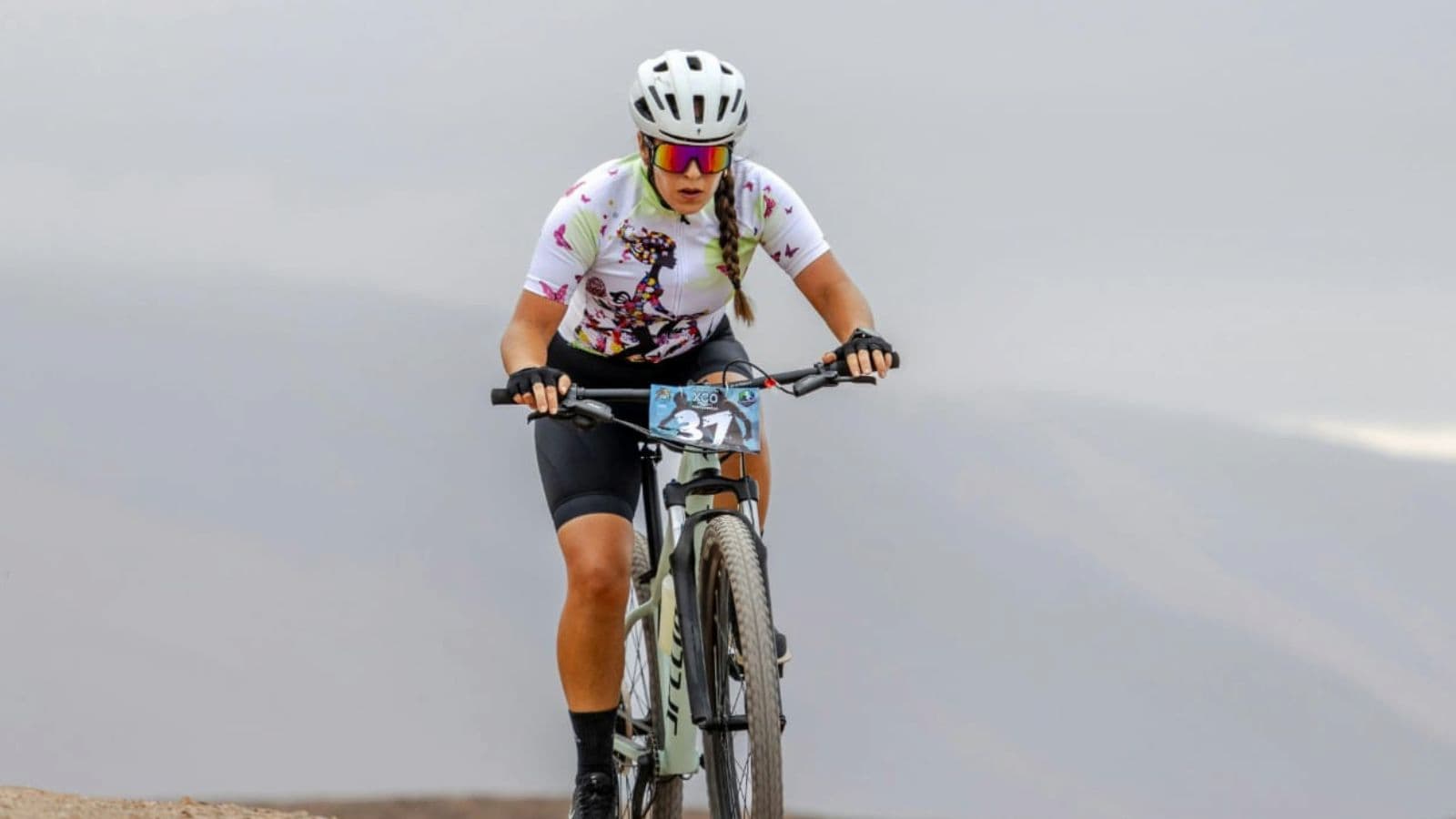
In Short
- Train specifically for gravel terrain.
- Don’t compare gravel pace with road rides.
- Prepare your bike carefully.
- Practise eating and drinking while riding.
- Pace yourself conservatively.
- Expect changing terrain and weather.
Gravel Racing Is Different from Road Racing
Even if you’ve completed road events before, gravel races present unique challenges.
Expect:
- Loose surfaces.
- Rough tracks.
- Frequent climbs.
- Technical descents.
- Constant changes in speed.
Average speeds are often lower than on the road, so avoid judging your performance by average pace alone. If most of your riding has been indoors, indoor vs outdoor cycling training explains why outdoor experience becomes increasingly important before a gravel event.
Build Your Endurance Before Chasing Speed
Your aerobic fitness is far more important than your sprint speed during a gravel race.
Focus your training on:
- Longer rides.
- Consistent weekly volume.
- Comfortable endurance pace.
- Gradual progression.
Building endurance allows you to maintain steady power over varying terrain without fatiguing too early. Developing how to build endurance for long cycling races provides an excellent foundation before adding harder efforts.
Practice Riding on Gravel
Fitness alone won’t prepare you for loose terrain.
Spend time practising:
- Loose gravel.
- Forest tracks.
- Small rocks.
- Washboard sections.
- Uneven corners.
Regular exposure builds confidence and improves your ability to react naturally to changing surfaces.
Pace Yourself Conservatively
One of the biggest mistakes beginners make is starting too quickly. Early excitement often leads to excessive effort that becomes difficult to sustain later. Ride at a controlled intensity during the opening stages and gradually increase your effort if you still feel strong. Understanding how to pace a long cycling ride properly can help you avoid burning out before the finish.
Fuel Before You Feel Hungry
Gravel races often last much longer than expected because of slower terrain and climbing. Begin fueling early by consuming carbohydrates regularly throughout the ride.
Good fuelling supports:
- Steady energy.
- Better concentration.
- Improved endurance.
- Faster recovery.
A complete cycling nutrition guide helps you plan your nutrition before, during and after race day.
Hydration Is Just as Important
Even in cool weather, gravel riding can be physically demanding. Drink consistently throughout the race rather than waiting until you’re thirsty.
Plan your hydration based on:
- Temperature.
- Ride duration.
- Sweat rate.
- Aid station locations.
Using how much should you drink per hour when cycling in hot weather can help you estimate your fluid needs during longer events.
Check Your Bike Before Race Day
Mechanical problems are much easier to prevent than repair during a race.
Before the event, inspect:
- Tyres.
- Brakes.
- Gears.
- Chain.
- Bolts.
A simple inspection using what you should check on your bike before every ride reduces the risk of avoidable mechanical issues.
Carry Basic Repair Equipment
Many gravel races pass through remote areas where support may be limited.
Carry essentials such as:
- Spare inner tube.
- Tyre levers.
- Pump or CO₂ inflator.
- Multi-tool.
- Puncture repair kit.
- Chain quick link.
Knowing how do i fix a puncture on a road bike can save your race if you experience a flat tyre.
Expect the Unexpected
Gravel races rarely go exactly to plan.
You may encounter:
- Mud.
- Wind.
- Loose descents.
- Mechanical issues.
- Navigation challenges.
Staying calm and adapting quickly is often more valuable than trying to stick rigidly to your original plan.
Focus on the Experience
Your first gravel race is primarily a learning opportunity.
Rather than worrying about finishing position:
- Ride within yourself.
- Learn from experienced riders.
- Enjoy the scenery.
- Build confidence.
- Make notes for future races.
Every gravel event teaches valuable lessons that will help you become a stronger cyclist. Completing your first race also makes it easier to identify areas where how to get faster at cycling can improve your performance in future events.
Learn to Ride Efficiently in a Group
Many gravel races involve riding in groups, particularly during the early kilometres.
Riding with others can help you:
- Save energy.
- Maintain a steady pace.
- Stay motivated.
- Navigate more easily.
However, gravel drafting is often less predictable than on the road because riders frequently change lines to avoid rough sections. Practicing how to ride safely in a cycling group before race day will improve both your confidence and safety.
Dress for Changing Conditions
Weather can change quickly during a gravel event. Layer your clothing so you can adapt throughout the ride.
Consider bringing:
- Lightweight gilet.
- Arm warmers.
- Waterproof jacket.
- Full-finger gloves if temperatures are low.
- Clear glasses for dusty conditions.
Being slightly over-prepared is usually better than being caught out by changing weather.
Prepare Mentally for a Long Day
Gravel races are often slower than expected. Loose terrain, climbs and technical sections can make the event feel longer than the distance suggests. Instead of thinking only about the finish, break the race into manageable sections:
- Reach the next feed station.
- Complete the next climb.
- Focus on the next 30 minutes.
- Continue fuelling consistently.
Small milestones help maintain motivation and prevent the ride from feeling overwhelming.
Practise Your Nutrition Before Race Day
Never experiment with new nutrition during an event.
Use your training rides to discover:
- Which foods you tolerate.
- How often you should eat.
- How much fluid you require.
- Which energy products work best.
Many cyclists also benefit from how to train your gut to handle more carbs on the bike, allowing them to consume enough fuel during longer races without stomach discomfort.
Recovery Starts Immediately After the Finish
Finishing your first gravel race is an achievement, but recovery begins straight away.
Within the first hour:
- Drink fluids.
- Eat carbohydrates and protein.
- Walk for a few minutes.
- Stretch gently if needed.
- Change into dry clothing.
Following what you should eat after a hard cycling workout can help speed recovery and prepare you for your next ride.
Common Mistakes
- Starting the race too fast.
- Riding unfamiliar equipment for the first time.
- Ignoring nutrition until feeling hungry.
- Underestimating hydration needs.
- Carrying too few repair tools.
- Skipping gravel-specific practice.
- Wearing unsuitable clothing.
- Chasing average speed instead of riding efficiently.
Practical Tips
- Ride on gravel regularly before race day.
- Test your tyres and tyre pressure in advance.
- Fuel every 30–45 minutes.
- Drink consistently throughout the ride.
- Carry basic repair equipment.
- Pace yourself conservatively early on.
- Expect changing conditions.
- Focus on learning rather than racing others.
Actionable Takeaways
Your first gravel race is about preparation, adaptability and enjoying the experience. Building endurance, practicing on mixed terrain and refining your nutrition strategy will have a far greater impact than simply trying to ride faster. Approach the event with realistic expectations, pace yourself wisely and treat every kilometre as an opportunity to gain experience. The lessons you learn in your first gravel race will make every future event more enjoyable and successful.
FAQs
Gravel races are often more physically demanding due to rough terrain, climbing, changing surfaces and longer riding times.
A gravel bike is ideal, but many beginner-friendly events can also be completed on a suitable road bike with wider tyres if the course allows.
Aim to complete at least one ride that is around 70–80% of your planned race distance before the event.
Tyre pressure depends on your weight, tyre width and terrain. Slightly lower pressures generally improve grip and comfort on gravel.
Most cyclists benefit from eating small amounts of carbohydrate every 30–45 minutes.
Carry spare tubes, tyre levers, a pump or CO₂ inflator, a multi-tool, food, water and a mobile phone if permitted.
Yes. Starting too hard is one of the most common mistakes and often leads to fatigue later in the race.
Absolutely. Riding on gravel improves confidence, handling skills and overall efficiency.