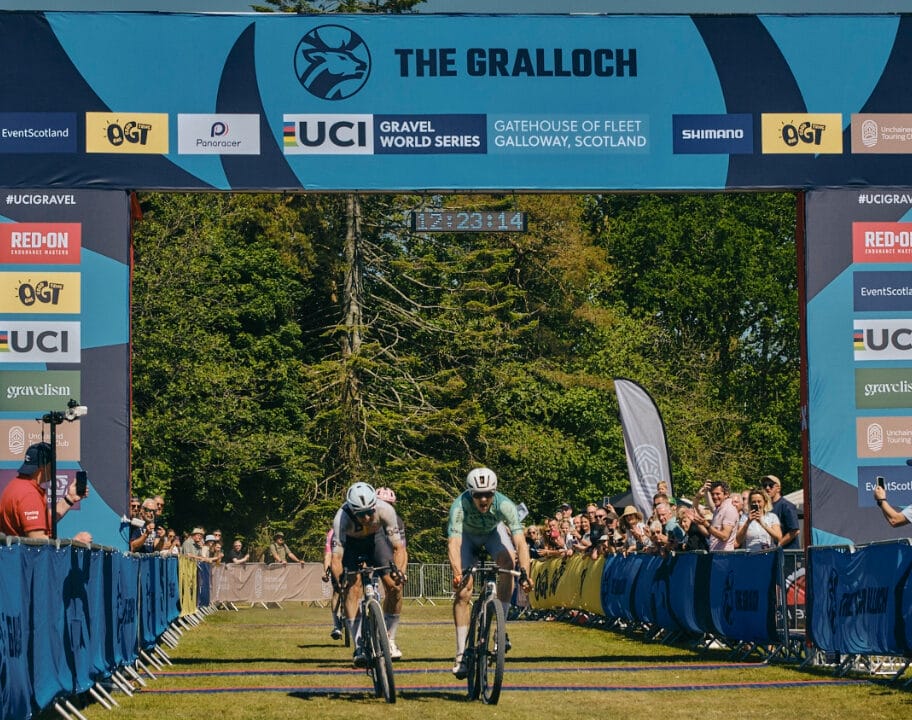
Drafting helps cyclists save energy because a rider following closely behind another cyclist generally experiences less aerodynamic drag. The leading cyclist has already disturbed and displaced much of the air, allowing the following rider to travel through a more sheltered airflow. Aerodynamic resistance becomes increasingly important as cycling speed rises. This is why drafting can make a noticeable difference during faster group rides and races, where maintaining the same speed alone may require substantially more effort.
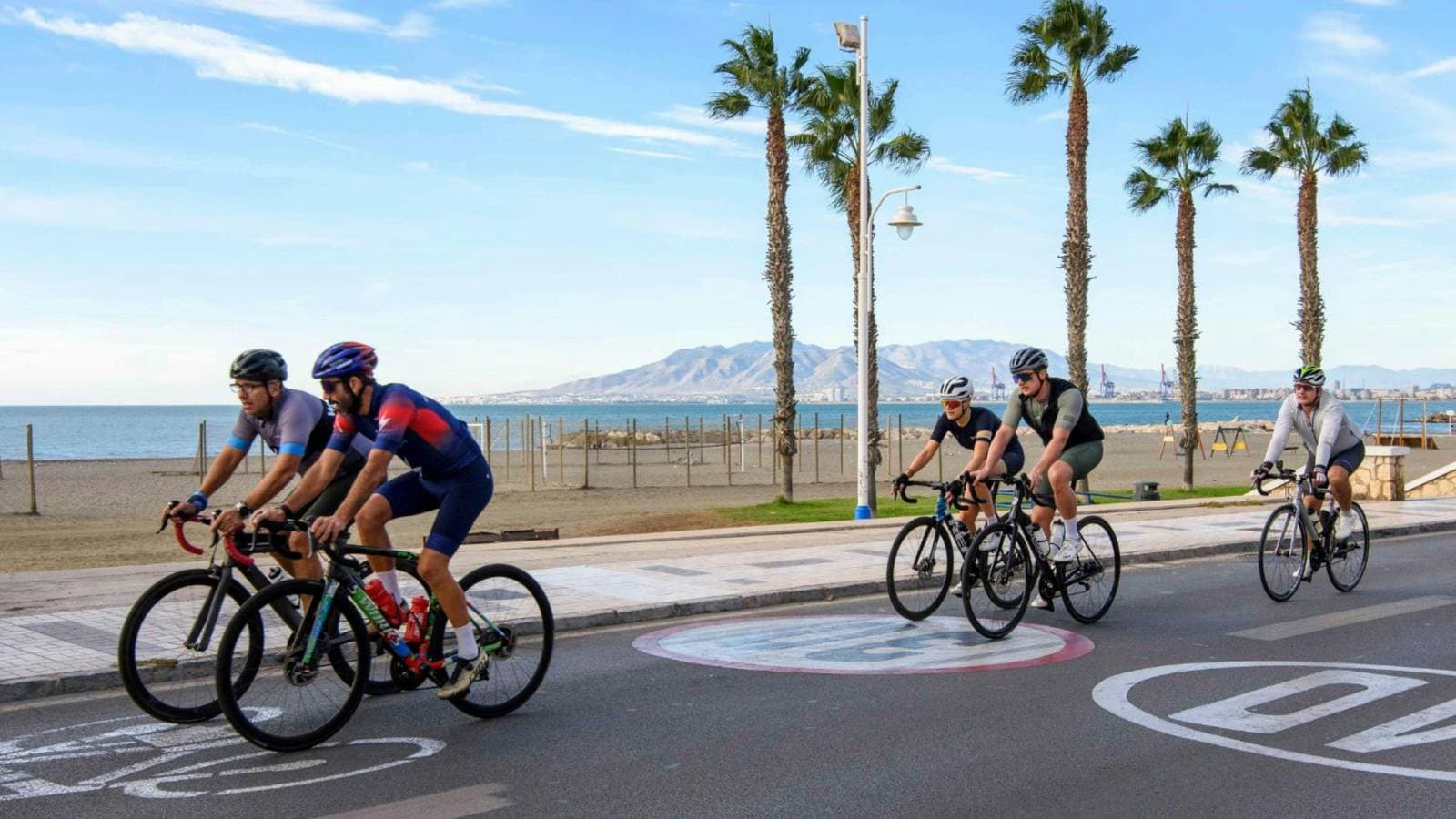
Drafting is therefore both an efficiency skill and a bike handling skill. Riding close enough to benefit from another cyclist requires concentration, predictable movement, safe spacing, and awareness of riders around you. Beginners should develop these skills gradually rather than immediately trying to follow a wheel as closely as experienced racers.
In Short
- Drafting reduces aerodynamic drag.
- The effect becomes more important as speed increases.
- Smaller gaps generally provide a greater aerodynamic benefit.
- Large groups can provide additional shelter.
- Crosswinds change the best drafting position.
- Drafting requires concentration and predictable riding.
- Drafting can help conserve energy during long rides and races.
Why Air Resistance Matters in Cycling?
A cyclist has to overcome several forces to move forward.
These include:
- Aerodynamic drag.
- Rolling resistance.
- Gravity on climbs.
- Mechanical losses.
At higher speeds, aerodynamic resistance becomes a major part of the effort required to maintain forward motion. That means improving your relationship with the airflow can save energy without requiring additional fitness. This is one reason how to get faster at cycling involves more than simply producing more power. Position, equipment, technique, and tactical riding can all influence how effectively that power becomes speed.
What Happens When You Draft?
The leading rider pushes into relatively undisturbed air.
As a result, the following cyclist may be able to:
- Maintain speed with less power.
- Reduce cardiovascular effort.
- Conserve energy.
- Recover while remaining with the group.
- Save energy for later efforts.
This is why sitting behind another rider can feel noticeably easier than taking a turn at the front.
Drafting Becomes More Useful as Speed Increases
Aerodynamic drag becomes increasingly significant as speed rises. At low speeds, particularly on steep climbs, the benefit of drafting may be less noticeable. At higher speeds, reducing drag becomes much more valuable.
Drafting can therefore be particularly useful during:
- Fast group rides.
- Flat roads.
- Gradual descents.
- Road races.
- Sportives.
- Long-distance events.
The faster the group travels, the more attention cyclists generally need to give to aerodynamic efficiency.
How Close Do You Need to Ride?
The aerodynamic benefit generally becomes greater as the gap to the rider ahead decreases. However, closer is not automatically better for every cyclist.
A smaller gap leaves less time to react to:
- Braking.
- Potholes.
- Corners.
- Speed changes.
- Unexpected movements.
Beginners should prioritize safe control over maximizing aerodynamic benefit.
Drafting Can Lower the Power Needed for the Same Speed
Suppose two cyclists are traveling at the same speed. One is riding alone. The other is sheltered behind a rider. The drafting cyclist may need less power to maintain that speed because less energy is being used to overcome aerodynamic drag. This distinction is important when using what is ftp in cycling to understand cycling performance. FTP reflects your ability to sustain power, while drafting changes how effectively a given power output can translate into speed. You do not become physiologically stronger simply because you are drafting. You are using your available power more efficiently.
Drafting Can Help You Ride Faster at the Same Effort
The same principle works in the opposite direction. If you maintain a similar physiological effort while receiving a drafting benefit, you may be able to travel faster than you could alone. This can make group riding feel surprisingly quick. A cyclist accustomed to a certain solo speed may find themselves moving several kilometers per hour faster in an organized group without feeling proportionally harder effort.
Drafting Helps Conserve Energy on Long Rides
Energy conservation becomes increasingly important as ride duration increases. Small unnecessary efforts can accumulate over several hours.
Drafting can help reduce the energy cost of maintaining group speed, allowing you to preserve more resources for:
- Later climbs.
- Headwinds.
- Accelerations.
- The final kilometers.
- Important race sections.
This works particularly well when combined with the controlled approach in how to pace a long cycling ride properly. Saving energy early is often more useful than repeatedly proving you can ride at the front.
Taking Turns at the Front Shares the Work
The rider at the front usually faces more aerodynamic resistance than sheltered riders. Groups can therefore rotate the lead.
A simple rotation allows riders to alternate between:
- Working at the front.
- Moving away from the lead.
- Recovering within the group.
- Returning toward the front later.
This distributes the aerodynamic workload. An organized group can often maintain a strong pace more efficiently than one rider attempting to stay at the front continuously.
What Is a Paceline?
A paceline is an organized line or rotation of cyclists designed to share the workload.
Common features include:
- Predictable positioning.
- Small controlled gaps.
- Smooth changes at the front.
- Consistent pace.
- Clear communication.
The objective is not to sprint past the rider who has just finished a turn. Smoothness helps preserve the aerodynamic benefit for everyone. Cyclists learning how to ride safely in a cycling group should become comfortable with basic positioning and communication before participating in fast rotations.
Do Not Surge When You Reach the Front
A common beginner mistake is accelerating immediately after taking the lead.
Other riders may need to:
- Accelerate suddenly.
- Increase power.
- Close gaps.
- Brake later.
- Waste energy.
When you reach the front, try to maintain the group’s established speed or effort rather than proving how strong you feel. Smooth riding makes the group more efficient.
Drafting Can Help During Headwinds
A headwind increases the relative airflow a cyclist experiences. That can make maintaining normal speed much harder. Drafting behind another rider can provide useful shelter. Instead of fighting the wind alone, a group can share the work. Understanding how to ride in headwinds and crosswinds on a bike becomes especially valuable because wind direction determines where the best shelter is located. In a direct headwind, the useful position is generally behind the rider ahead. Crosswinds require a different approach.
Drafting on Climbs Works Differently
Drafting still exists uphill, but its importance generally decreases as speed falls. On steep climbs, gravity becomes a much larger part of the resistance you are overcoming. This means sitting behind another rider may provide less benefit than it does on a fast flat road. On gentler climbs where speeds remain relatively high, drafting can still matter. Learning when should you climb seated vs standing on a bike can help you manage your own effort while remaining predictable around other riders.
Suddenly standing can cause your bike to move backward relative to the rider behind if the movement is not controlled.
Drafting on Descents Requires Extra Caution
Higher speeds can increase the aerodynamic benefit of drafting. They also increase the consequences of mistakes.
On descents:
- Braking distances increase.
- Corners arrive faster.
- Small movements matter more.
- Reaction time becomes more important.
- Road hazards become harder to avoid.
Do not follow another rider more closely than your skill level allows. The principles in how to descend faster and safer on a road bike should take priority over trying to maximize the draft.
Drafting Requires Predictable Riding
The rider behind cannot see every obstacle as early as the rider in front. Predictability is therefore essential.
Avoid unnecessary:
- Sudden braking.
- Swerving.
- Abrupt accelerations.
- Unsignaled direction changes.
- Unexpected stopping.
Hold a stable line whenever conditions allow. If you need to avoid an obstacle, communicate and move smoothly rather than making a sudden dramatic change.
Do Not Stare at the Wheel in Front
New riders often become fixated on the rear wheel directly ahead.
Monitor:
- The rider ahead.
- Riders farther up the group.
- Traffic.
- Road surface.
- Corners.
- Changes in group speed.
Looking farther forward gives you more warning when the group begins slowing or changing direction. You still need awareness of your immediate gap, but avoid tunnel vision.
Braking Smoothly Saves Energy
Repeated heavy braking followed by acceleration wastes energy. This often happens when cyclists react late to changes in group speed. Try to anticipate what is happening farther ahead. If the group gradually slows, you may be able to reduce pedaling pressure before needing significant braking. Smooth riding helps maintain momentum and reduces the repeated power spikes that can make a group ride surprisingly tiring.
Cadence Still Matters in a Draft
Drafting reduces aerodynamic demand, but you still need an efficient pedaling rhythm.
A poor gear choice can leave you:
- Grinding a heavy gear.
- Spinning excessively.
- Reacting slowly to speed changes.
- Accelerating inefficiently.
Understanding cycling cadence explained can help you select gears that allow smooth responses when group speed changes. Choose a gear that gives you enough control to make small speed adjustments without dramatic changes in effort.
Drafting Can Support Endurance Training
Group drafting can allow cyclists to cover more distance or maintain a higher speed while keeping individual effort controlled. A fast group ride completed mostly in the draft may require less effort than a slower solo ride into a headwind.
Judge endurance sessions using:
- Effort.
- Heart rate.
- Power when available.
- Duration.
- Training purpose.
The principles behind what is zone 2 cycling remain relevant even when your group speed looks unusually high.
Drafting Does Not Replace Fitness
Drafting can reduce energy expenditure, but it cannot replace aerobic conditioning.
You still need enough fitness to:
- Stay with the group.
- Handle accelerations.
- Climb.
- Take turns at the front.
- Maintain concentration.
- Finish the ride.
A cyclist who only sits in a strong draft may struggle as soon as the road rises or a gap opens. Use drafting as an efficiency tool rather than a substitute for training.
Drafting Can Help You Fuel More Easily
A sheltered position may give you an opportunity to eat and drink when the pace is controlled. However, only do so when you can safely maintain your line and awareness. Long group rides still require adequate nutrition. The principles in what to eat during long rides remain important even if drafting makes the ride feel easier. Reduced effort does not mean you can ignore fueling during several hours of cycling.
Common Mistakes
- Following a wheel more closely than your skill allows.
- Staring only at the wheel ahead.
- Braking suddenly.
- Overlapping wheels unnecessarily.
- Surging when reaching the front.
- Leaving large gaps and repeatedly sprinting to close them.
- Moving unpredictably across the road.
- Ignoring wind direction.
- Trying to maximize the draft on technical descents.
- Assuming drafting removes the need for endurance training.
Practical Tips
- Learn drafting at moderate speeds first.
- Ride with experienced and predictable cyclists.
- Maintain a stable line.
- Keep a safe gap for your ability.
- Look beyond the rider directly ahead.
- Anticipate changes in group speed.
- Brake progressively.
- Avoid sudden accelerations.
- Take smooth turns at the front.
- Communicate hazards.
- Adjust position appropriately for wind direction.
- Prioritize safety over aerodynamic savings.
Actionable Takeaways
Drafting helps cyclists save energy primarily by reducing aerodynamic drag.
A well positioned following rider may be able to:
- Produce less power at the same speed.
- Ride faster for similar effort.
- Conserve energy.
- Recover within a group.
- Save effort for later sections.
The benefit is generally more noticeable at higher speeds because aerodynamic resistance becomes increasingly important. Effective drafting also requires good group riding technique. Do not chase the smallest possible gap before you have the bike handling skills to manage it safely. Drafting is most useful when it makes your riding more efficient without making it less controlled.
FAQs
Drafting means riding in the aerodynamic shelter created by another cyclist or group to reduce the air resistance you experience.
Yes. Riding behind another cyclist can reduce aerodynamic drag, allowing you to maintain a given speed with less effort under suitable conditions.
Closer gaps generally increase the aerodynamic benefit, but spacing should always match your experience, speed, road conditions, and ability to react safely.
It can, but the benefit generally becomes smaller on steep climbs because cycling speed is lower and gravity becomes more important.
Yes. Reduced aerodynamic drag can allow you to travel faster for a similar effort compared with riding alone.
Beginners can learn to draft, but they should start with larger gaps, moderate speeds, predictable riders, and controlled environments.
No. Drafting rules depend on the event and discipline, so cyclists should check the specific race rules before competing.