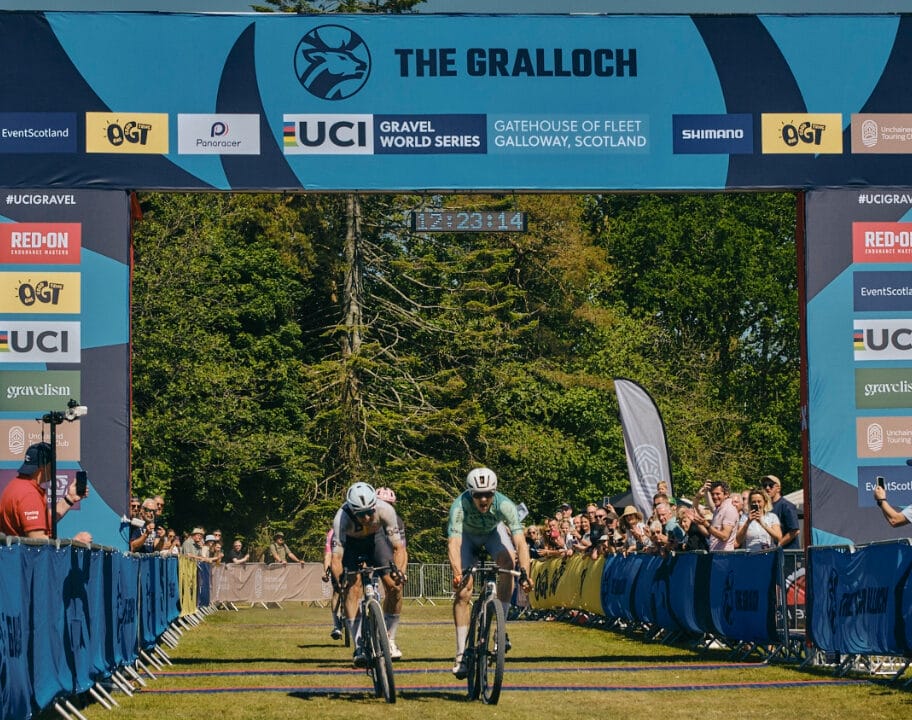
Starting too fast can make a long cycling ride harder than it needs to be. When you ride above a sustainable intensity early, you increase energy demand and may accumulate fatigue that becomes difficult to recover from later. The problem is that the opening kilometers often feel easy. Fresh legs, excitement, other riders, and favorable terrain can encourage you to push harder than planned. Good endurance pacing works differently. Instead of trying to maximize speed immediately, you distribute your effort so you can maintain useful power throughout the ride.
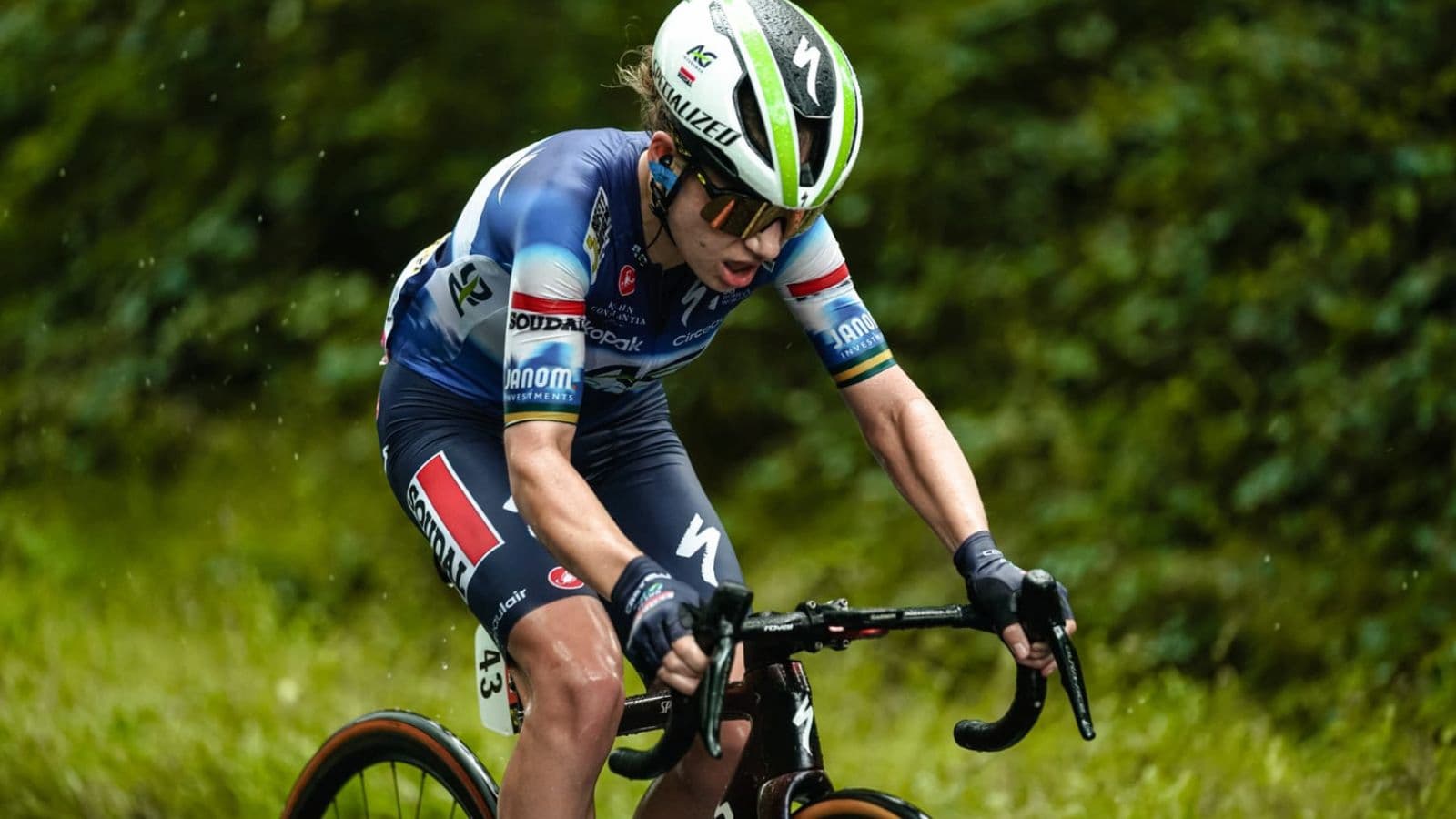
For long rides and endurance races, a controlled start is usually faster overall than an aggressive opening followed by a major slowdown.
In Short
- Starting too fast increases early energy demand.
- Hard efforts use carbohydrate more quickly.
- Early surges can create unnecessary muscular fatigue.
- Your pace may fall significantly later.
- Fueling cannot completely correct poor pacing.
- Hills and group rides make overpacing easy.
- Power, heart rate, and perceived effort can guide pacing.
- A controlled start does not mean riding excessively slowly.
- Good endurance pacing aims for consistent effort across the ride.
Early Speed Can Be Misleading
The beginning of a ride often feels easier because you are fresh. Your muscles are rested, energy stores are relatively full, and motivation is usually high. That can make an unsustainable effort feel manageable. The consequences may not appear until much later. Understanding how to pace a long cycling ride properly helps prevent the common mistake of judging your pacing entirely by how comfortable you feel during the opening kilometers. Think about the whole ride rather than the first hour.
Hard Starts Increase Carbohydrate Use
Your body uses a mixture of fuels during cycling. As intensity rises, carbohydrate generally becomes increasingly important for producing energy. Starting harder than necessary can therefore increase carbohydrate use early in the ride. That matters because carbohydrate stores are limited.
Fueling during the ride can help maintain energy availability, but it does not mean you can ignore pacing. Understanding cycling nutrition guide alongside pacing helps you manage both sides of the endurance equation: how quickly you use energy and how effectively you replace available fuel.
You May Fade Later
One of the clearest consequences of starting too fast is a late ride drop in performance.
You may notice:
- Lower power.
- Slower climbing.
- Heavy legs.
- Greater perceived effort.
- Difficulty responding to changes in pace.
- Reduced concentration.
- Strong hunger.
- Poor motivation.
This does not always mean you lack endurance. Sometimes you simply spent too much of your available energy early. Building fitness through how to build endurance for long cycling races helps increase what you can sustain, but even a well trained cyclist can suffer after poor pacing.
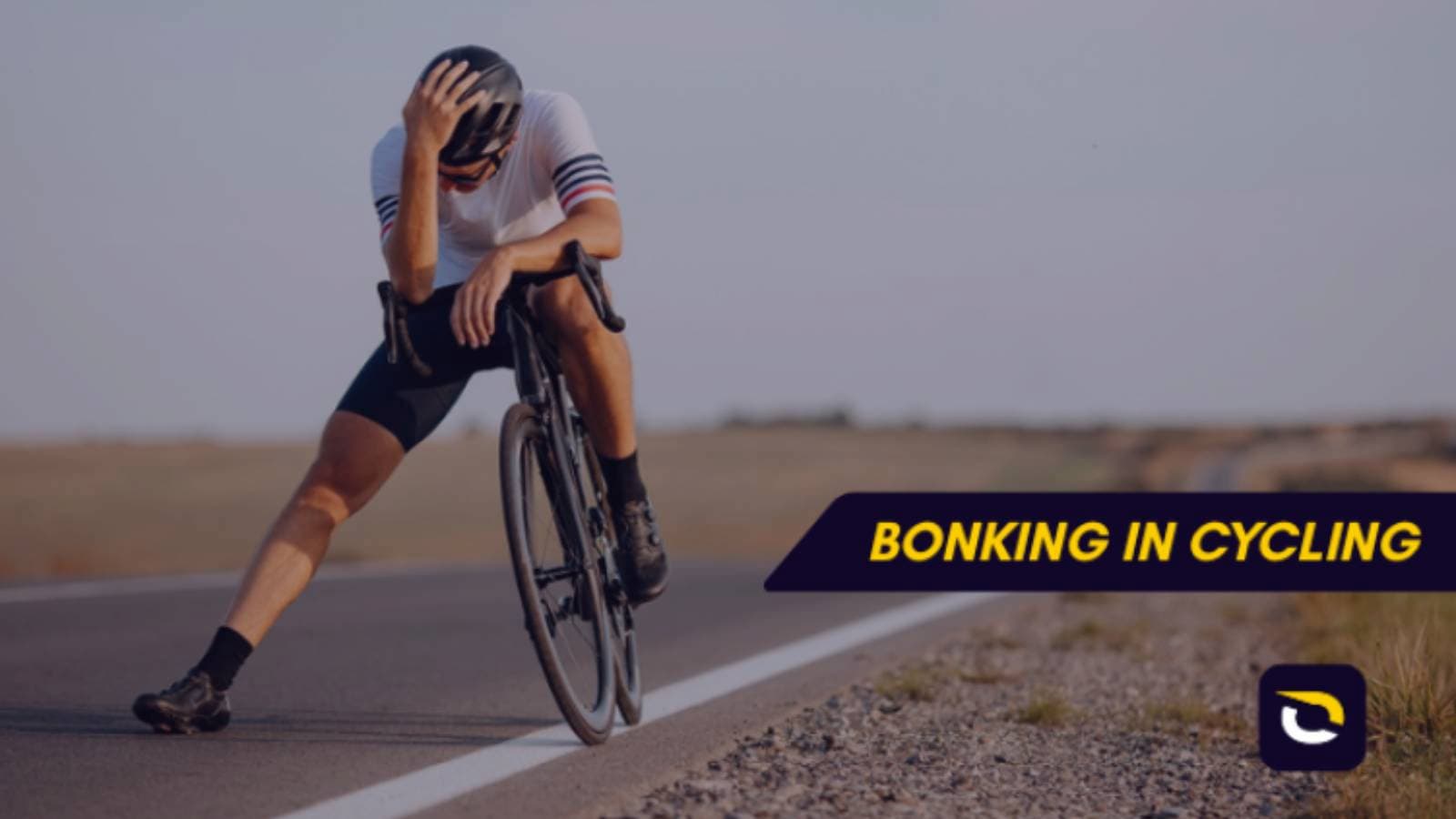
Starting Too Hard Can Contribute to Bonking
Bonking refers to a severe loss of performance associated with depleted carbohydrate availability. Poor fueling is a major contributor, but pacing matters too. If you ride much harder than planned early in a long event, carbohydrate use can increase. Combine that with inadequate fueling and the risk of a major energy drop rises. Understanding what is bonking in cycling causes signs prevention can help you recognize why endurance depends on both energy intake and sensible effort. Do not wait until your energy has collapsed before responding.
Muscular Fatigue Builds Earlier
Starting too fast does not only affect energy stores. Your muscles also have to produce greater force and power. Repeated hard accelerations, climbs, and large gear efforts can make the legs feel heavy earlier than expected. Once significant muscular fatigue develops, reducing effort may not immediately make your legs feel fresh again. This is one reason endurance cycling rewards patience. Save harder efforts for situations where they actually provide a useful advantage.
Heart Rate Can Reveal an Aggressive Start
Heart rate can provide useful feedback during endurance riding. If your heart rate is already unusually high during the opening part of a long ride, you may be working harder than intended.
However, heart rate is affected by:
- Temperature.
- Hydration.
- Caffeine.
- Stress.
- Fatigue.
- Fitness.
Use it alongside perceived effort rather than treating one number as an absolute limit. For easier endurance sessions, what is zone 2 cycling can help cyclists understand what a sustainable aerobic effort should generally feel like.
Power Helps Control Early Effort
A power meter can make early pacing easier because it shows your output regardless of speed. This is useful when excitement or terrain encourages you to ride harder than planned. If your target is a controlled endurance effort, repeatedly producing large power spikes can defeat the purpose of the session. Power based riders can use what is ftp in cycling to understand training intensity and establish useful reference zones. However, you do not need a power meter to pace well. Perceived effort, breathing, and experience can also guide intensity.
Hills Are a Common Pacing Trap
Cyclists often start too hard because of hills rather than deliberate speed. A climb appears early, and the rider tries to maintain the same speed they were holding on flatter terrain.
Instead:
- Shift early.
- Accept a lower speed.
- Keep effort controlled.
- Avoid chasing riders unnecessarily.
- Use a sustainable cadence.
Learning how to climb on a road bike for beginners can help riders manage gearing and effort rather than turning every hill into a high intensity interval.
Group Rides Can Encourage Overpacing
Riding with others can make pacing more difficult. You may follow a faster group because the pace initially feels manageable. Drafting can reduce the effort required, but accelerations, hills, and changes in group speed can still create repeated surges. Ask whether the group pace matches the purpose of your ride. If staying with the group forces you to repeatedly exceed your intended intensity, dropping back may be the better endurance decision.
Understanding how to ride safely in a cycling group also helps you manage positioning and speed changes more predictably.
Fueling Cannot Rescue Every Pacing Error
Eating enough carbohydrate is important during long rides, but fueling is not permission to ride at an unsustainable intensity. You still need to control effort.
Long rides should give you opportunities to practice:
- When to begin eating.
- How much food to carry.
- Which products your stomach tolerates.
- How frequently to drink.
- How pacing affects appetite.
Knowing what to eat during long rides helps support endurance, particularly when sessions extend for several hours. Fuel early enough that you are preventing energy problems rather than trying to recover from them.
Easy Endurance Riding Should Stay Controlled
Some cyclists accidentally turn easy endurance rides into moderately hard sessions. They start quickly, chase average speed, attack hills, and finish exhausted. That may create more fatigue without providing the intended aerobic training. Understanding why are slower training sessions important for cycling training helps explain why not every ride should produce impressive speed or power numbers. Easy training should leave enough recovery capacity for your harder sessions.
Aim for an Even Effort
Good endurance pacing does not require holding exactly the same power every second. Terrain, wind, corners, and traffic make that unrealistic. Instead, aim to avoid unnecessary extremes.
A good endurance ride often feels:
- Controlled early.
- Comfortable through the middle.
- Increasingly challenging late.
- Sustainable until the finish.
If you still have energy late in the ride, you can gradually increase effort when appropriate. That is usually preferable to starting aggressively and spending the final hour trying to survive.
Common Mistakes
- Chasing average speed from the start.
- Following faster riders unnecessarily.
- Attacking early climbs.
- Ignoring unusually high early effort.
- Waiting too long to fuel.
- Grinding large gears.
- Treating endurance rides like races.
- Assuming fresh legs mean the pace is sustainable.
- Trying to recover lost speed with repeated surges.
Practical Tips
- Start the first part of long rides conservatively.
- Use effort rather than speed to judge pacing.
- Shift early on climbs.
- Fuel before energy levels fall.
- Avoid unnecessary accelerations.
- Monitor power or heart rate when available.
- Let faster groups go when necessary.
- Keep endurance rides genuinely controlled.
- Save some energy for the final part of the ride.
Actionable Takeaways
Starting too fast can reduce cycling endurance by increasing early energy use and muscular fatigue. The biggest problem is delayed feedback. An aggressive pace may feel easy initially but become unsustainable several hours later. Control the opening part of long rides, manage hills carefully, fuel consistently, and avoid chasing speed simply because your legs feel fresh.
Good endurance pacing is not about riding slowly. It is about distributing your effort so you can maintain useful power from the beginning of the ride to the end.
FAQs
Starting too hard, insufficient endurance, poor fueling, dehydration, and inadequate recovery can all contribute to early fatigue.
A controlled start is usually useful because it prevents unnecessary early energy expenditure while your body settles into the ride.
Higher intensity generally increases reliance on carbohydrate, which can make aggressive pacing harder to sustain during long rides.
An unusually high early heart rate, heavy breathing, excessive power, or a major slowdown later can indicate that your opening effort was too aggressive.
It can contribute by increasing carbohydrate use, especially when combined with inadequate fueling during a long ride.
No. Wind and terrain change the power required for a given speed, so sustainable effort is generally more useful than fixed speed.
If you still feel controlled and the workout calls for it, gradually increasing effort late can be more sensible than starting too hard.