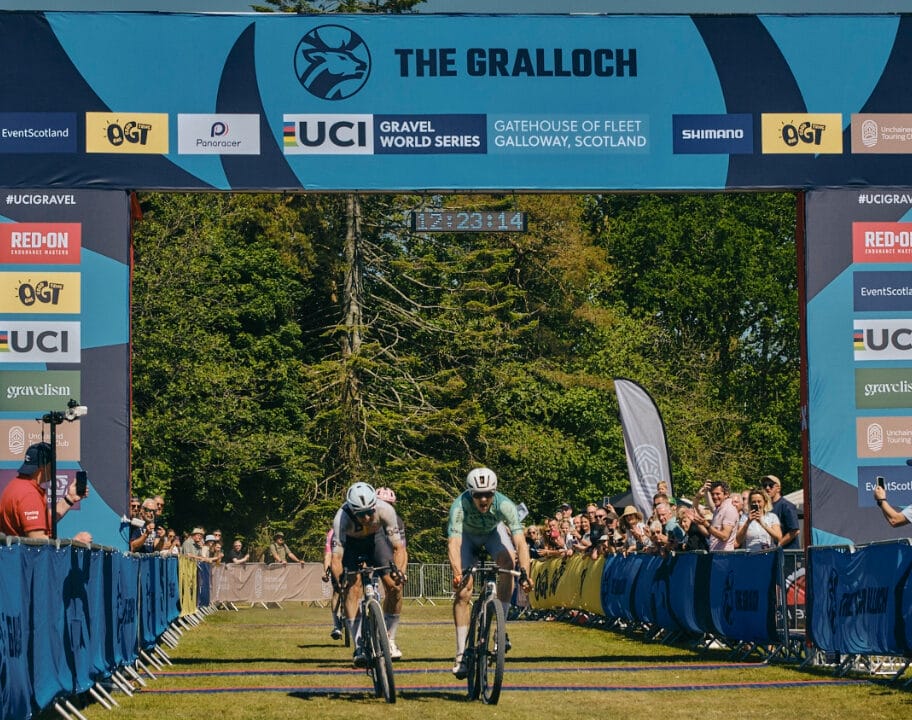
Pacing a 100km or 100-mile bike ride is one of the biggest factors that determines whether you finish strong or struggle in the final hours. These distances are long enough that poor pacing early on will almost always lead to fatigue, energy crashes, or even failure to complete the ride. The key is not riding as hard as possible, it’s riding at a level you can sustain from start to finish.
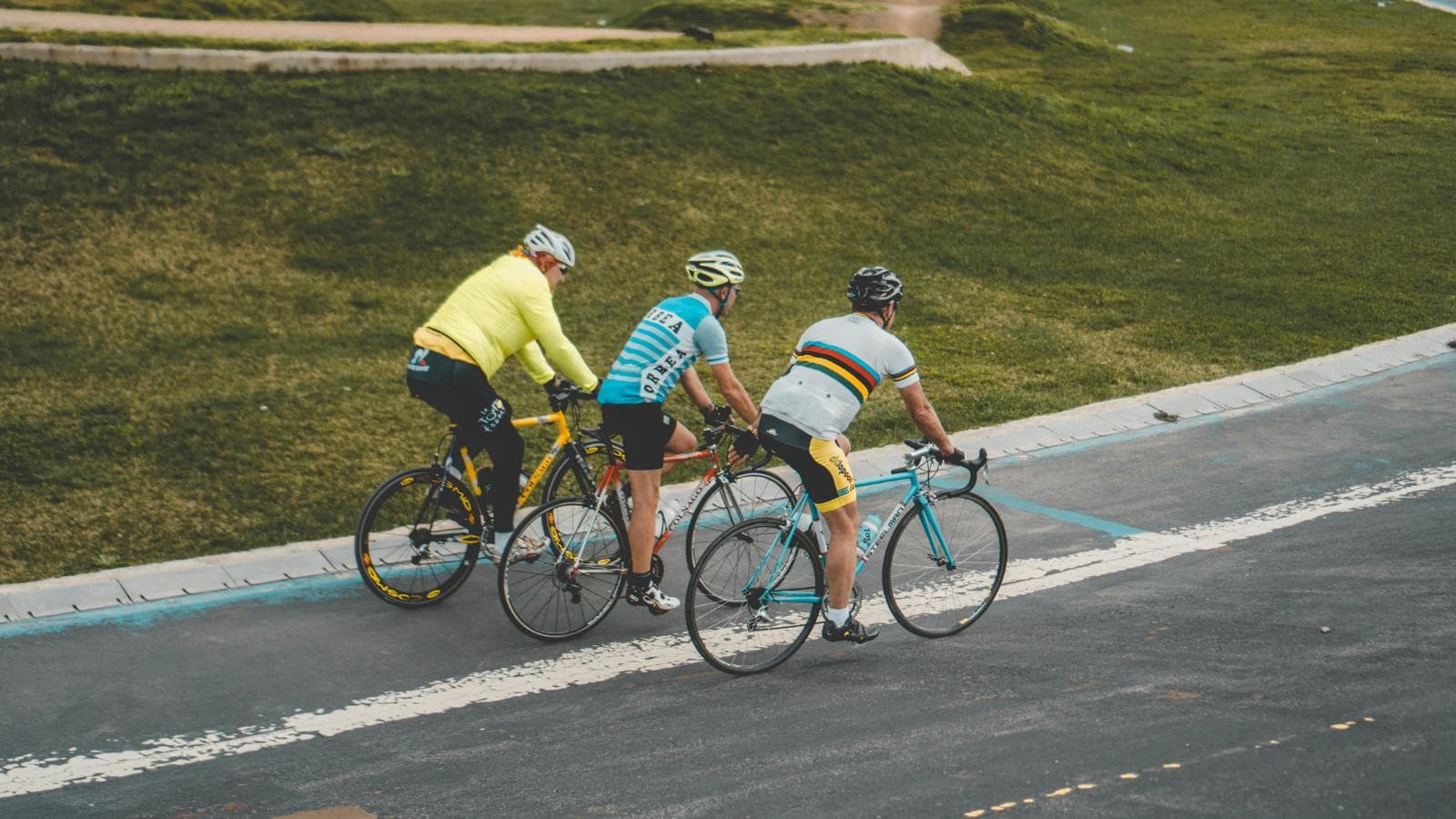
What Pacing Means in Long-Distance Cycling?
Pacing is how you distribute your effort across the entire ride. Instead of riding based on how you feel in the moment, pacing requires control, discipline, and awareness of your energy levels. The goal is to maintain a steady output that avoids spikes in effort and prevents early fatigue. This becomes especially important in longer endurance efforts like those discussed in building endurance for longer cycling rides, where consistency is more important than intensity.
Why Pacing Matters for 100km and 100-Mile Rides?
- At these distances, energy management is everything.
- Riding too hard early might feel easy, but it drains glycogen stores quickly and leads to a drop in performance later.
- Proper pacing helps you conserve energy, maintain steady power, and finish the ride without hitting a wall.
- It also improves overall efficiency, allowing you to ride faster with less effort over time.
Start Slower Than You Think
- One of the most common mistakes is starting too fast.
- At the beginning of a ride, your legs feel fresh and it is easy to push harder than planned.
- However, this early effort often leads to fatigue later.
- Starting slightly below your target pace allows your body to warm up and settle into a sustainable rhythm.
This approach aligns with strategies used in pacing a long cycling ride properly, where controlled effort early leads to better performance later.
Find Your Sustainable Effort Level
For most riders, long-distance pacing should feel comfortable and controlled. You should be able to maintain a conversation without excessive strain. If you are breathing heavily early in the ride, you are likely going too hard. A sustainable effort ensures that you can maintain power output for the entire duration without significant drops in performance.
Use Heart Rate or Power as a Guide
If you have access to a heart rate monitor or power meter, use it to keep your effort consistent. Staying within a target zone prevents you from pushing too hard. Power is especially useful because it provides immediate feedback on your effort. Keeping your output steady reduces energy spikes and improves efficiency.
Manage Terrain Effectively
Terrain plays a major role in pacing. Hills, descents, and wind conditions all affect effort levels. On climbs, avoid pushing too hard, shift to easier gears and maintain a steady cadence. This helps prevent fatigue and keeps your effort controlled, similar to techniques in climbing on a road bike for beginners, where maintaining rhythm is key. On descents, use the opportunity to recover without completely stopping effort.
Managing terrain effectively allows you to conserve energy and maintain consistency throughout the ride.
Fuel and Hydrate Consistently
- Pacing is closely linked to fueling.
- Without proper nutrition, even the best pacing strategy will fail.
- Aim to consume carbohydrates regularly and stay hydrated throughout the ride.
- This supports energy levels and prevents fatigue. Fueling strategies are essential for endurance efforts, as highlighted in fueling for a 2-hour cycling ride, where consistent intake maintains performance.
- Do not wait until you feel tired or hungry, fuel early and consistently.
Break the Ride Into Segments
Long distances can feel overwhelming. Breaking the ride into smaller segments makes pacing easier to manage. Focus on completing one section at a time rather than thinking about the entire distance. This helps maintain motivation and control effort more effectively.
Avoid Big Effort Spikes
Sudden bursts of high effort, such as sprinting or pushing hard on climbs, can quickly drain energy. These spikes are inefficient and lead to fatigue. Instead, aim for smooth and consistent output. This is especially important when riding in groups, where maintaining control is crucial, as discussed in riding safely in a cycling group, where steady pacing improves overall safety and efficiency.
Adapt to Fatigue in the Later Stages
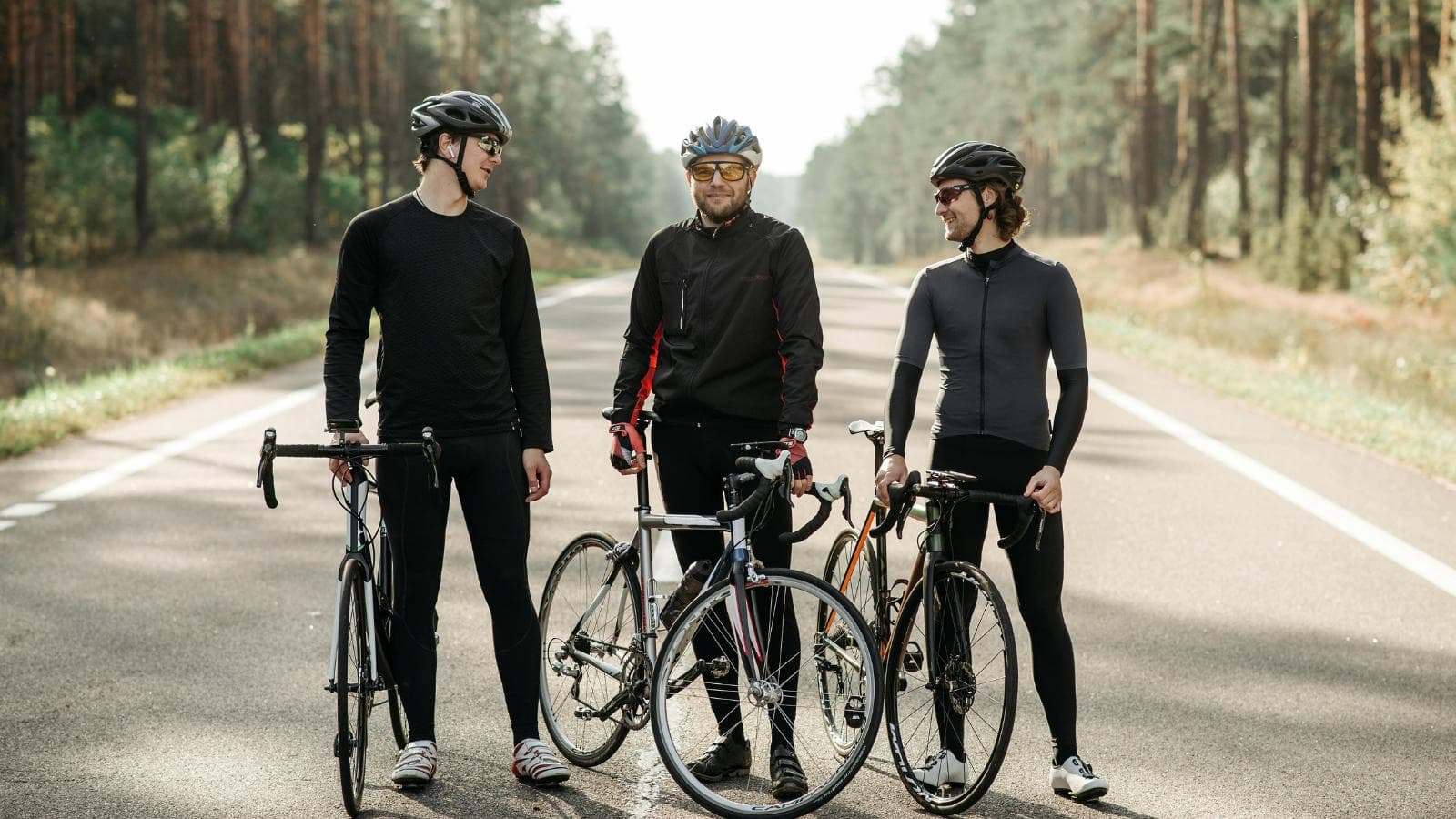
As the ride progresses, fatigue is inevitable. Your pacing strategy should account for this by staying conservative early and maintaining control later. If you feel fatigue building, slightly reduce effort rather than pushing through at the same intensity. This helps preserve energy and allows you to finish stronger.
Mental Strategy for Long Rides
Long-distance cycling is as much mental as it is physical. Staying focused and patient is key to maintaining good pacing. Avoid comparing your pace to others. Ride your own effort and stick to your plan. This mindset supports consistency and prevents unnecessary fatigue.
Common Pacing Mistakes
- Starting too fast
- Ignoring terrain changes
- Not fueling properly
- Riding based on others instead of your own plan
- Pushing too hard on climbs
Avoiding these mistakes significantly improves performance and overall experience.
Practical Pacing Strategy
- Start at a controlled, comfortable pace
- Maintain steady effort using heart rate or power
- Fuel and hydrate regularly
- Adjust effort based on terrain
- Stay consistent and avoid spikes
Following these principles helps you ride efficiently and finish strong.
What You Should Do?
- Begin your ride at a conservative pace and allow your body to settle into a rhythm.
- Focus on maintaining consistent effort rather than speed.
- Use terrain, fueling, and effort control to manage your energy effectively.
Building this pacing skill over time is essential for long-distance cycling success, similar to structured progression in staying fit during the cycling off-season, where consistency supports long-term improvement. Supporting your ride with proper preparation, like those used in riding strong in headwinds and crosswinds on a bike, ensures you can handle different conditions efficiently.
With the right pacing strategy, you will not only complete your ride, you will finish strong and in control.
FAQs
A steady, sustainable pace works best. You should be able to maintain it without excessive fatigue.
No, starting too fast leads to fatigue. Begin conservatively and build gradually.
Pace evenly and fuel consistently. Avoid sudden spikes in effort.
Yes, pacing determines overall performance. Poor pacing leads to energy loss.
Every 20 to 30 minutes is ideal. This maintains energy levels.
Yes, but data helps maintain consistency. Heart rate or power can guide pacing.
They increase effort significantly. Use easier gears to maintain control.
Starting too hard early. This leads to burnout later in the ride.
Effort should stay consistent, not speed. Terrain will affect speed naturally.
Conserve energy early and maintain steady effort. Proper pacing allows a stronger finish.