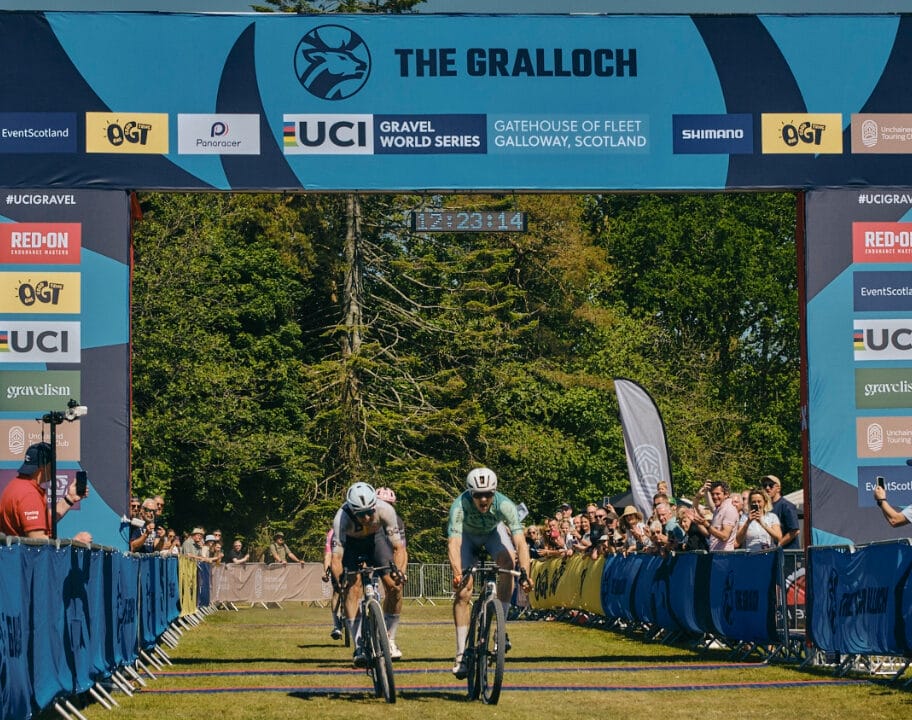
Preparing for a hilly cycling race without access to hills may seem difficult, but many successful cyclists train for mountainous events while living in flat regions. The key is recreating the physical demands of climbing through structured workouts, strength training, and smart riding techniques. Although nothing completely replaces long mountain climbs, you can develop the fitness, muscular endurance and pacing needed to perform well when race day arrives.
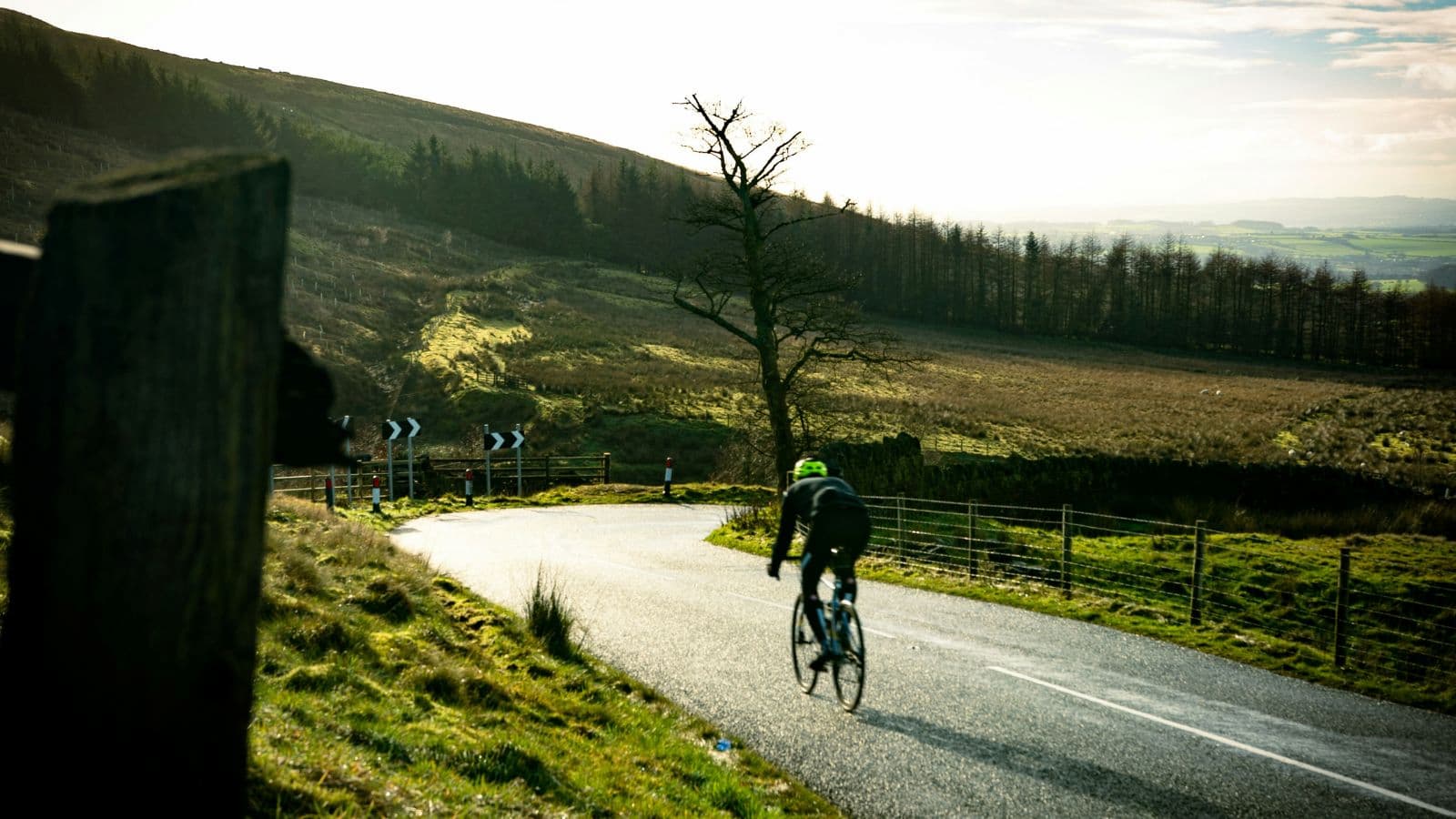
The focus should be on building sustainable power, improving climbing efficiency and preparing your body for prolonged efforts.
Understand What Makes Climbing Difficult
Climbing isn’t just about producing more power.
Successful climbers rely on:
- High aerobic fitness.
- Sustainable threshold power.
- Muscular endurance.
- Efficient cadence.
- Smart pacing.
- Good body positioning.
Improving these areas will have a much greater impact than simply searching for the nearest hill. Improving overall bike split is also helpful for the cyclists.
Build Your Aerobic Engine
Long climbs demand a strong aerobic system. Spend plenty of time developing endurance through steady rides.
Benefits include:
- Better oxygen delivery.
- Improved fat metabolism.
- Greater fatigue resistance.
- Faster recovery.
- Higher sustainable effort.
Many cyclists build this foundation through what is zone 2 cycling, allowing them to ride longer without excessive fatigue.
Focus on Threshold Training
Most long climbs are ridden close to threshold rather than at maximum effort.
Include sessions such as:
- Two × 20-minute threshold intervals.
- Three × 12-minute efforts.
- Four × 10-minute intervals.
- Sweet spot sessions.
Cyclists targeting climbing performance often combine these workouts with how to improve lactate threshold for cycling, helping them sustain hard efforts over prolonged ascents.
Simulate Climbs Indoors
Indoor trainers make hill simulation much easier.
You can:
- Increase trainer resistance.
- Ride at lower cadence.
- Hold sustained efforts.
- Complete uninterrupted intervals.
- Replicate long climbs.
Many riders preparing for mountainous events already include strength training that improves performance, making indoor climbing simulations a natural addition to their weekly routine.
Develop Muscular Endurance
Climbing places continuous stress on your legs.
Improve muscular endurance by including:
- Low-cadence efforts.
- Long sweet spot intervals.
- Tempo rides.
- Big gear repetitions.
These sessions teach your muscles to produce steady power over long durations.
Improve Your Cadence Control
Different climbs require different cadences.
Practise riding comfortably at:
- 60–70 rpm.
- 75–85 rpm.
- 90+ rpm.
Learning to adapt your cadence helps you respond to changing gradients without wasting energy. Developing this skill alongside cycling cadence explained improves both efficiency and climbing comfort.
Increase Your FTP
Your Functional Threshold Power largely determines how quickly you can climb. Consistent FTP development allows you to sustain higher power for longer.
Focus on:
- Progressive overload.
- Threshold intervals.
- Recovery weeks.
- Consistent training.
Many cyclists see steady improvements by following how to increase your ftp, particularly during structured indoor training blocks.
Build Lower-Body Strength
Strength training supports climbing by improving force production.
Useful exercises include:
- Squats.
- Deadlifts.
- Lunges.
- Step-ups.
- Bulgarian split squats.
- Calf raises.
A stronger lower body helps maintain power throughout long ascents. Pairing gym work with what strength training should cyclists do to ride faster creates an excellent foundation for climbing performance.
Practise Climbing Technique
Even on flat roads you can refine your climbing mechanics.
Work on:
- Relaxed shoulders.
- Stable upper body.
- Smooth pedalling.
- Efficient breathing.
- Comfortable seated position.
These habits become automatic when you eventually ride real climbs. Many cyclists also improve efficiency by studying how to climb on a road bike for beginners, ensuring their technique supports their fitness.
Ride Into Headwinds
Strong headwinds create resistance similar to moderate climbs.
Headwind sessions allow you to practise:
- Sustained power.
- Aerobic pacing.
- Mental resilience.
- Cadence control.
Although not identical to climbing, they provide an effective substitute when hills are unavailable.
Learn to Pace Long Efforts
Many riders attack climbs too aggressively before fading. Practice maintaining a controlled effort during long intervals.
Focus on:
- Smooth power output.
- Controlled breathing.
- Even pacing.
- Consistent cadence.
These habits translate directly to race-day climbing.
Don’t Neglect Recovery
Climbing workouts are demanding.
Support adaptation through:
- Good sleep.
- Proper nutrition.
- Easy recovery rides.
- Hydration.
- Planned recovery weeks.
Recovery allows your body to adapt and become stronger.
Common Mistakes
Avoid these common errors:
- Riding every workout too hard.
- Ignoring aerobic training.
- Skipping strength sessions.
- Training only indoors.
- Using excessively low cadence.
- Neglecting nutrition.
- Forgetting recovery.
- Waiting until race week to practise climbing technique.
Balanced training consistently outperforms extreme approaches.
Practical Tips Before Race Day
Prepare yourself with these simple habits:
- Study the course profile.
- Train with sustained intervals.
- Practise eating during long rides.
- Keep your cadence smooth.
- Ride into headwinds when possible.
- Build strength year-round.
- Arrive well-rested.
Many cyclists also benefit from how to pace a long cycling ride properly, helping them manage energy across multiple climbs instead of attacking every ascent.
The Bottom Line
Living somewhere flat doesn’t prevent you from performing well in a hilly cycling race. Structured threshold training, indoor climbing simulations, strength work and consistent aerobic development can prepare you for sustained climbs even without regular access to mountains. By focusing on fitness, pacing and efficient technique, you’ll arrive at the start line ready to tackle challenging terrain with confidence.
FAQs
Yes. Indoor trainers, threshold intervals, low-cadence efforts and strength training provide excellent preparation.
Absolutely. Indoor trainers allow uninterrupted climbing simulations that closely replicate sustained efforts.
No. Low-cadence sessions are useful, but you should also practise a range of cadences for different situations.
Yes. Stronger legs improve force production and muscular endurance during long climbs.
Not completely, but headwinds provide sustained resistance that can effectively mimic some climbing demands.
A higher FTP allows you to sustain greater power during long ascents, making climbing faster and more efficient.
No. Most climbing is performed seated, with standing used strategically on steeper gradients or for short accelerations.
One or two focused sessions each week are usually sufficient alongside endurance rides and recovery.
Consume adequate carbohydrates before and during the event to maintain energy throughout long climbs.